In this article
- Start From the Event, Not From the Person Selling You a Ticket
- A Very Cheap Ticket Can Be a Bargain, but Ask Why
- Bank Transfer Is Not the Problem. Where You Are Sending It Matters
- Check the Event Details Before You Check Out
- After Payment, You Should Have More Than a Debit Alert
- Your QR Code Is Part of the Ticket, So Stop Posting the Whole Thing Online
- Buying From Another Person Requires More Trust
- Be Suspicious of Fake Support After Something Goes Wrong
- If Something Feels Wrong, Do Not Wait Until You Reach the Gate
- Shows.ng Can Verify a Ticket, but Buyers Still Need to Use the Right Link
- Buying an Event Ticket Should Not Require Blind Trust
You see the concert flyer on Instagram. The lineup looks good, your friends are already talking about going and somebody has dropped a ticket link in the comments. A few minutes later, another person sends you a WhatsApp message saying they can get the same ticket cheaper if you transfer directly to them.
That is where buying an event ticket can become more complicated than it should be.
Fake tickets do not always look obviously fake. Sometimes the event itself is real, but the person selling the ticket has nothing to do with the organiser. Sometimes a genuine ticket is copied and offered to several people. In other cases, somebody creates a social page that looks similar to the real event page and sends buyers somewhere completely different to make payment.
The safest approach is not to become suspicious of every event you see online. It is to slow down long enough to confirm where the ticket is actually coming from before sending money.
Start From the Event, Not From the Person Selling You a Ticket
If you discover an event through a random repost, influencer, WhatsApp group or friend's status, do not assume the payment information attached to that post is automatically official. Find the event organiser's main page, website or recognised event listing and look for the booking link they are actively promoting.
This is particularly important when an event becomes popular. Once tickets are moving quickly, unofficial sellers can appear claiming they have Regular, VIP or VVIP tickets available even when they have no relationship with the organiser.
If the organiser says tickets are available through Shows.ng, use the Shows.ng event page connected to that announcement rather than searching through comments for someone offering a deal. A genuine ticket link gives you a much clearer path from the event information to payment and confirmation than sending money to somebody whose only proof is a screenshot.
Do not rely entirely on whether a social account has a verification badge either. Verification can be useful context, but it should not replace checking the actual event details. Look at whether the organiser has been consistently talking about the event, whether the venue and performers acknowledge it where appropriate and whether the ticket link remains consistent across the organiser's official communication.
A Very Cheap Ticket Can Be a Bargain, but Ask Why
Discounted tickets are normal. Events run early-bird offers, group discounts, referral campaigns and promotional prices all the time. A lower price by itself does not mean somebody is trying to scam you.
The concern begins when the explanation does not make sense.
If an event's official Regular ticket is ₦20,000 and somebody you do not know suddenly offers you the same access for ₦7,000, ask where the ticket came from and why they are selling it so far below the official price. If their only response is that you need to transfer immediately because somebody else is waiting, that pressure should make you more careful rather than more eager.
Scammers benefit when buyers feel they do not have time to verify anything. Concerts selling quickly, limited VIP spaces and last-minute events can make that pressure particularly effective because nobody wants to be the friend who missed out while everybody else got tickets.
A legitimate deadline can still be urgent. The difference is that you should be able to confirm the price and deadline from an official source instead of relying entirely on what one seller tells you.
Bank Transfer Is Not the Problem. Where You Are Sending It Matters
One piece of advice often repeated around ticket scams is to avoid bank transfers completely. That is too simplistic in Nigeria because bank transfer is a normal online payment method, including on legitimate ticketing platforms.
Shows.ng currently supports Nigerian card payments, bank transfer and USSD through its checkout process. International buyers can also use supported international card payments.
The important distinction is whether the payment is happening inside the official checkout flow or whether somebody has pulled you away from it and asked you to transfer directly to a personal account.
Imagine an event organiser has clearly stated that tickets are being sold through Shows.ng. You open the official event page, select your ticket and the checkout gives you a bank-transfer option. That is completely different from a stranger messaging you to say, "Don't use the website, send the money to this account and I'll forward your ticket."
Whenever somebody tries to move you away from the recognised booking process, ask why.
Also be careful with anyone asking for information that is not necessary to sell you a ticket. Your card PIN, mobile banking password, OTP or login credentials should never need to be sent to an event organiser or ticket seller through WhatsApp, Instagram or a phone call.
Check the Event Details Before You Check Out
Ticket scams are not always about a completely fake ticket. Sometimes people pay for something without properly understanding what they are buying.
Read the event page before making payment. Confirm the date, location, time and ticket category. If you are buying VIP access, understand what the organiser says VIP actually includes. If the event has age restrictions, dress requirements or another condition that affects admission, know that before arriving at the venue.
The event name alone is not enough. Popular venues can host several events, and events with similar names can exist in different cities. Check the full details rather than relying on the flyer you saw three weeks ago.
This is also useful when someone sends you a suspicious ticket link. Compare the information on that page with the organiser's current announcements. A different date, unusual domain name, changed venue or ticket categories the organiser has never mentioned should make you stop and verify before paying.
If you are still deciding whether the event itself is right for you, our guide on how to choose the right event to attend covers the wider questions around venue, price, timing and overall value.
After Payment, You Should Have More Than a Debit Alert
A debit alert proves that money left your account. It does not prove that you now have a valid event ticket.
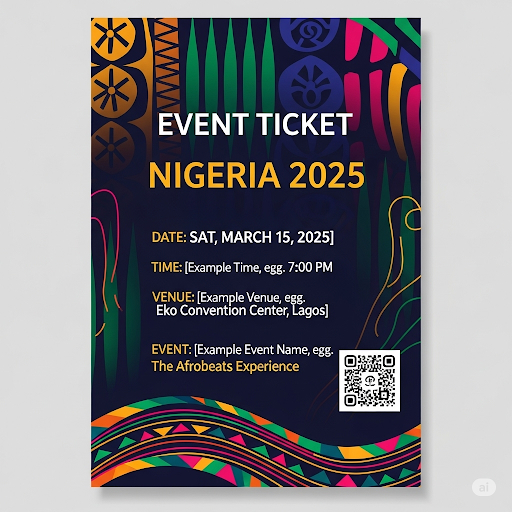
When a ticket purchase is completed successfully through Shows.ng, the platform generates a QR-coded ticket after payment confirmation, and purchased tickets can also be accessed through the buyer's Shows.ng dashboard. The current help guide directs buyers to the Purchased Tickets section, where they can view and download their ticket again when necessary.
That distinction becomes very important on event day. You should not have to depend entirely on a screenshot of the transfer you made several weeks earlier while the gate team searches through WhatsApp messages to decide whether you paid.
Once you have purchased your ticket, check that you can actually access it. Confirm that the event name and ticket category are correct and keep the ticket somewhere you can retrieve easily before reaching the venue.
If you bought through Shows.ng and need to download the ticket again, you can use the Shows.ng ticket download guide rather than panicking at the gate because the original email has disappeared inside your inbox.
Your QR Code Is Part of the Ticket, So Stop Posting the Whole Thing Online
Getting a genuine digital ticket does not mean you cannot create a problem for yourself afterwards.
One of the easiest mistakes is posting a full ticket online because you are excited about the event. You want everyone to know you are going, so you upload the entire ticket to Instagram or WhatsApp with the QR code clearly visible.
That code is not decoration.
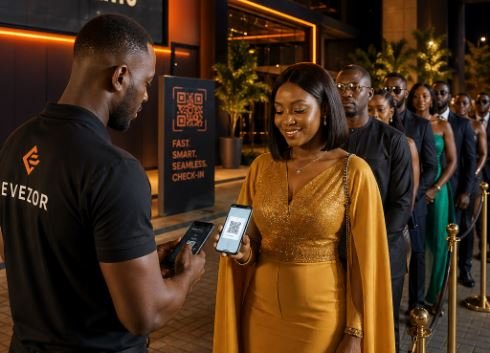
Shows.ng generates unique QR codes for tickets, and its scanner system verifies tickets at entry and detects tickets that have already been scanned.
If another person gets access to a usable copy of your ticket and presents it before you do, you could arrive at the venue and discover that the code has already been used. The scanner detecting the duplicate protects the event from two people entering with the same ticket, but that will not make the conversation pleasant when you are the second person standing at the gate.
Post the event flyer. Post your outfit. Post that you are attending. If you want to share the ticket itself, cover the QR code, barcode, ticket number and any other information that could be used to reproduce or access it.
Think of a digital ticket the same way you would think about a physical ticket that allows one person through the entrance. You can show people that you have one without handing them something they can potentially use.
Buying From Another Person Requires More Trust
The closer an event gets to selling out, the more tempting resale tickets become. Somebody bought a ticket but can no longer attend. A friend has an extra one. Someone online claims they have two VIP tickets available at face value.
Some of those offers may be genuine. The problem is that the buyer now has to trust not only the ticket but also the person selling it.
A screenshot of a valid-looking QR code does not necessarily prove that the seller has not sent the same screenshot to three other people. A genuine email confirmation does not automatically mean the ticket has not already been transferred or used in another way.
If an organiser has an official policy for ticket transfers, use that process rather than inventing your own arrangement with the seller. Check the event terms and contact the organiser or ticketing platform when necessary before paying for a resale ticket.
Our article on refunds and ticket transfers explains why organisers should make these policies clear before event day. If a ticket is officially non-transferable, somebody promising that "they won't check" is asking you to gamble with your access.
Be Suspicious of Fake Support After Something Goes Wrong
Scams can continue even after the original ticket problem.
You may post publicly that you had trouble buying a ticket, then receive a message from an account claiming to be customer support. The person offers to fix the problem immediately but asks for sensitive banking information, an OTP or another payment before they can supposedly release your ticket.
Do not treat somebody as support simply because they contacted you first.
Go back to the official website or platform and use the support channels listed there. If the issue relates to Shows.ng, use the contact or help options available through Shows.ng itself rather than trusting a random social account that appeared after you complained publicly.
For payment problems, keep your transaction reference and confirmation information available, but never share banking passwords, card PINs or one-time authentication codes with somebody claiming they need them to investigate a ticket.
If Something Feels Wrong, Do Not Wait Until You Reach the Gate
A lot of ticket problems become much harder to resolve when several thousand people are trying to enter the venue at the same time.
If your ticket details look wrong, you cannot access the ticket after payment or somebody has sold you something you now suspect is fake, investigate before event day.
Contact the official organiser or the ticketing platform through recognised channels. If you made a suspicious payment outside the platform, contact your bank or payment provider promptly and explain what happened. Keep the relevant messages, receipts, account details, usernames and transaction records rather than deleting the conversation out of frustration.
If you believe you have been deliberately defrauded, those records can also be important if the matter needs to be reported to the relevant authorities.
Most importantly, do not solve one suspicious situation by sending even more money to somebody promising to recover the first payment.
Shows.ng Can Verify a Ticket, but Buyers Still Need to Use the Right Link
Technology can make ticket fraud much harder at the event entrance. Shows.ng currently provides unique QR-coded tickets and a scanner that gives organisers real-time ticket verification, duplicate-ticket detection and offline scanning capability.
That helps the organiser determine whether the ticket presented at the gate is valid and whether it has already been used.
But secure scanning at the venue does not protect somebody who willingly paid a random person for a fake ticket before the event. Buyer behaviour still matters.
If the official organiser points you to a Shows.ng event page, use that event page. Complete payment through the provided checkout. Make sure you receive and can access the resulting ticket, then protect the QR code until you need it.
You can browse current events directly from Shows.ng events when you are looking for something to attend rather than relying entirely on ticket links forwarded through social media.
Buying an Event Ticket Should Not Require Blind Trust
You should be able to understand what you are buying, who is selling it and what you will receive after payment.
A cheap price is not automatically a scam. A bank transfer is not automatically unsafe. A social account without a blue badge is not automatically fake. What matters is whether the information can be connected back to the real event and whether the purchase is happening through a process the organiser actually recognises.
Before paying, find the official event source and follow its booking link. Read the details carefully. Avoid sellers who want to move you away from the recognised ticketing process without a convincing reason. After purchasing, make sure you have access to the actual ticket rather than only a payment screenshot, and keep any QR code or barcode private until you are ready to enter.
If something does not add up, verify it before sending money. Missing a discount is annoying. Losing the entire ticket amount to somebody who never had a ticket to sell is much worse.
The safest ticket is not the one somebody promises is genuine. It is the one you can trace from the real event, through the official booking process, all the way to a ticket that can be verified at the gate.