In this article
- Start With the Kind of Experience You Actually Want
- Look at the Real Cost, Not Just the Ticket Price
- Check the Date, Time and Venue Before You Get Excited
- Study the Lineup and Programme, Not Just the Headline Name
- Ask Yourself Whether the Event Is Worth the Ticket
- Do a Quick Credibility Check Before Buying
- Think About Who You Are Going With
- Safety, Comfort and Accessibility Matter Too
- How to Compare Two Events When You Cannot Decide
- Book Through a Clear and Reliable Ticketing Process
- A Simple Checklist Before You Buy Any Event Ticket
- Choose the Experience, Not Just the Hype
Finding an event to attend is easy. Finding one that is actually worth your time and money takes a little more thought.
You might have several concerts happening on the same weekend, a conference everyone on LinkedIn seems to be talking about, a food festival your friends want to attend, or a comedy show you discovered five minutes ago. The difficult part is deciding which experience is right for you.
A good event should fit more than your interests. The date should work, the venue should be convenient, the ticket should make sense for your budget, and the experience being advertised should match what you are hoping to get from it.
If you are trying to decide what event to attend next, use this guide before paying for a ticket.
Start With the Kind of Experience You Actually Want
Before opening ten event pages and comparing ticket prices, decide what you want from your next outing.
Are you looking for entertainment, networking, learning, meeting new people, celebrating with friends, discovering new music or simply getting out of the house for a few hours?
Your answer immediately makes the search easier.
For example, someone looking to meet potential clients may get more value from an industry conference or networking mixer than a large concert. Someone who has had a stressful week may prefer comedy, live music or a relaxed outdoor event rather than a business seminar.
Think about the event categories you naturally enjoy:
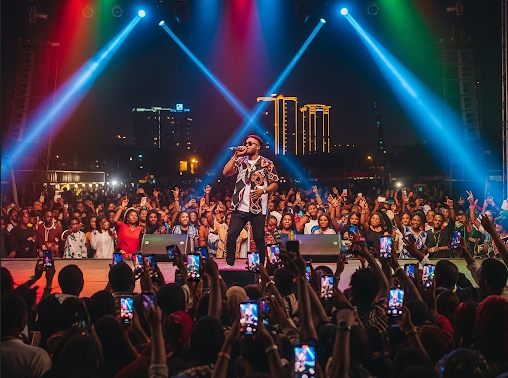
- Concerts and live music
- Comedy shows
- Festivals
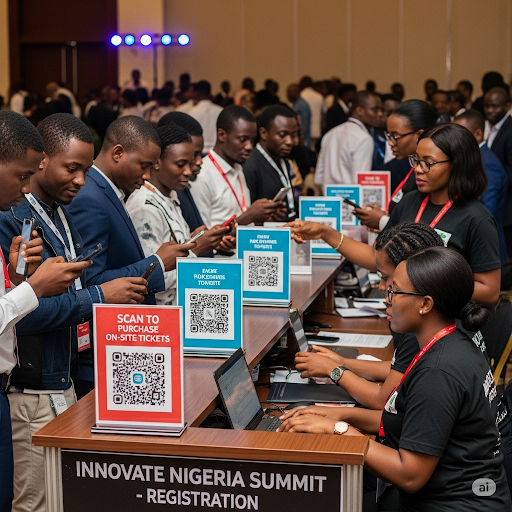
- Conferences and seminars
- Networking events
- Food and drink events
- Sports
- Art exhibitions
- Fashion events
- Film screenings
- Religious events
- Parties and nightlife
- Workshops and masterclasses
- Community events
You do not always have to attend something familiar, though. One of the best reasons to go to live events is discovering something you would not normally try.
If you usually attend concerts, a small theatre production or food festival might be a good change. If most of your outings are social, an industry event could introduce you to people and ideas you would not meet otherwise.
Events can be useful for much more than entertainment. We have also written about how events can support networking and personal growth.
Look at the Real Cost, Not Just the Ticket Price
A ₦10,000 ticket does not always mean the event will cost you ₦10,000.
Think about the complete cost of attending.
- Ticket price
- Booking or transaction costs, where applicable
- Transport to and from the venue
- Parking
- Food and drinks
- Accommodation if you are travelling
- Clothing or event-specific items
- Merchandise
- Activities or purchases inside the event
A cheaper ticket at a venue far from you may end up costing more than a slightly more expensive event nearby.
You should also compare ticket categories carefully. If an event has Regular, VIP, VVIP or table packages, check what each ticket actually includes before paying more.
VIP may come with better seating, priority access, refreshments or a separate experience. At another event, the difference might be little more than the name printed on the ticket.
Pay for benefits you will use, not simply the most expensive ticket available.
Check the Date, Time and Venue Before You Get Excited
An event can look perfect until you realise it starts at 5pm on a weekday on the opposite side of Lagos.
Always check the practical details before making a decision.
Date and time
Make sure you are genuinely available. Check whether the event falls close to another commitment, important exam, work deadline, trip or family programme.
Also look at the expected finishing time. An event ending late at night requires more planning than an afternoon conference.
Venue location
Do not judge a location only by the name of the city. Find out exactly where the venue is and consider the distance, traffic and transport options.
If you are unfamiliar with the venue, checking its location on a map before buying your ticket can save you an unpleasant surprise later.
Venue type
The same event can feel completely different depending on where it is held.
A 300-person live performance in a small venue may feel more intimate than seeing the same performer in an arena. An outdoor festival offers a different experience from a seated indoor show.
Consider what you prefer and what the event requires.
For outdoor events, weather can also matter. Check whether there is shelter or a contingency plan if conditions change.
Study the Lineup and Programme, Not Just the Headline Name
A popular performer, speaker or host can get your attention, but do not stop at the event poster.
Look at the full programme.
If you are attending a music festival, how many of the performers are you actually interested in seeing? If it is a conference, are the sessions relevant to you? If it is a food festival, what restaurants, chefs or vendors are expected?
This becomes particularly important for expensive events.
Imagine paying for a full-day conference because of one speaker, only to discover that the person's session lasts twenty minutes. Or buying a festival ticket for one artist without checking whether several stages will be running simultaneously.
Before booking, check for:
- Performers or speakers
- Event schedule
- Session times
- Opening and closing times
- Supporting acts
- Activities included with your ticket
- Age restrictions
- Dress code, if any
If the organiser has not announced the entire programme yet, decide whether you are comfortable booking based on the information currently available.
Ask Yourself Whether the Event Is Worth the Ticket
Price and value are not the same thing.
An inexpensive event can feel like poor value if it is badly organised. An expensive ticket can still feel worthwhile if the experience delivers something you genuinely care about.
Instead of asking only, "Is this ticket expensive?", ask:
"What am I getting for this amount?"
Consider the duration of the event, quality of the programme, performers or speakers, venue, activities, networking opportunities and anything included with the ticket.
You should also think about how important the experience is to you personally.
Seeing your favourite musician perform live for the first time might be worth more to you than attending three cheaper events you are only mildly interested in.
There is no universal formula. The important thing is making the decision deliberately rather than buying because everyone else appears to be going.
Do a Quick Credibility Check Before Buying
Seeing a beautiful flyer on Instagram is not enough reason to send money.
Before buying a ticket, especially for an organiser you do not know, do a quick credibility check.
Look for basic information such as:
- A clear event description
- Confirmed date and venue
- Organiser information
- Official ticket link
- Terms or refund information
- Active social media pages
- Previous events, where relevant
- Contact information for questions
Be cautious if important details keep changing without explanation or the organiser insists that payment must be sent directly to an unrelated personal account when an official ticketing route exists.
For very popular events, also be careful with tickets offered by strangers after the event has sold out. A screenshot of a ticket is not automatically proof that the ticket is valid or that the person selling it still owns it.
Use the official booking link provided by the organiser whenever possible.
Think About Who You Are Going With
The people attending with you can affect whether an event is a good choice.
If you are planning with friends, confirm that everyone understands the ticket price, date, location and expected time commitment before one person buys tickets for the whole group.
You may also want to discuss:
- How everyone will get to the venue
- Where you will meet
- What time you intend to arrive
- Whether you are buying the same ticket category
- How you will get home
If nobody is available to join you, that does not automatically mean you should skip the event.
Concerts, workshops, conferences, exhibitions and community events can all be enjoyable alone. In some cases, attending by yourself makes it easier to meet new people because you are less likely to spend the whole time speaking only to your existing friends.
Safety, Comfort and Accessibility Matter Too
These factors are easy to forget when an event looks exciting, but they can determine whether you enjoy the experience.
Check whatever information is available about security, parking, seating, accessibility, entry requirements and venue facilities.
If you have particular accessibility needs, contact the organiser before buying rather than assuming the venue will be suitable.
You might want to ask about wheelchair access, reserved seating, toilets, parking proximity or any assistance available at the venue.
For late-night events, think about your journey home before you arrive. Arrange transport beforehand if getting a ride from the venue is likely to be difficult.
For large outdoor events, practical items such as suitable footwear, a charged phone and an approved portable charger can make the day considerably easier.
How to Compare Two Events When You Cannot Decide
Sometimes the problem is not finding a good event. It is choosing between two good ones.
When that happens, compare them using five questions:
- Which one am I genuinely more interested in?
- Which one gives me better value for the full cost?
- Which date and location are easier for me?
- Which experience would I be more disappointed to miss?
- Can I realistically attend both?
The fourth question is particularly useful.
If Event A sells out tonight and you would barely care, but missing Event B would annoy you for months, you probably already know which ticket to buy.
Do not let social media hype make the decision for you. The most talked-about event is not automatically the event you will enjoy most.
Book Through a Clear and Reliable Ticketing Process
Once you have chosen your event, check the ticket information carefully before completing payment.
Confirm:
- Event name
- Date
- Venue
- Ticket category
- Quantity
- Total amount
- Any restrictions attached to the ticket
After purchasing, keep your confirmation and ticket somewhere you can easily access on the day.
If you discover an event on Shows.ng, you can review the event information and available ticket options before booking. Shows.ng provides event discovery and ticketing alongside tools used by organisers to publish and manage events.
If you enjoy attending events regularly, browsing upcoming events before the weekend can also help you find experiences outside the usual places you follow on social media.
A Simple Checklist Before You Buy Any Event Ticket
Before tapping the payment button, quickly run through this list:
- Am I genuinely interested in this event?
- Am I available on the date?
- Do I know exactly where the venue is?
- Can I comfortably afford the full cost of attending?
- Have I checked what my ticket category includes?
- Is the organiser or ticket source credible?
- Have I reviewed the lineup or programme?
- Do I understand the entry requirements?
- Have I planned how I will get there and return?
- If I am going with other people, have we agreed on the details?
If you can answer those questions confidently, there is a good chance you are making a sensible booking decision.
Choose the Experience, Not Just the Hype
The best event for you is not necessarily the biggest event, the most expensive one or the one everyone is posting about.
It is the event that matches what you want to experience, fits your schedule and budget, takes place somewhere you can comfortably reach, and offers enough value to make you happy you attended.
Sometimes that will be a huge concert. Other times, it might be a 50-person workshop, a comedy night you discovered that morning, a networking meetup or a food festival you decided to try with friends.
Take a few minutes to check the details before booking. It can be the difference between simply showing up somewhere and having an experience you genuinely remember.
If you are still deciding what to do next, browse events on Shows.ng and see what is happening around you.