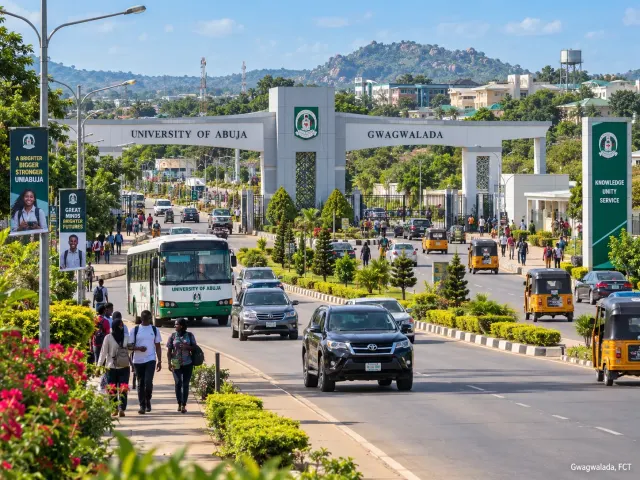
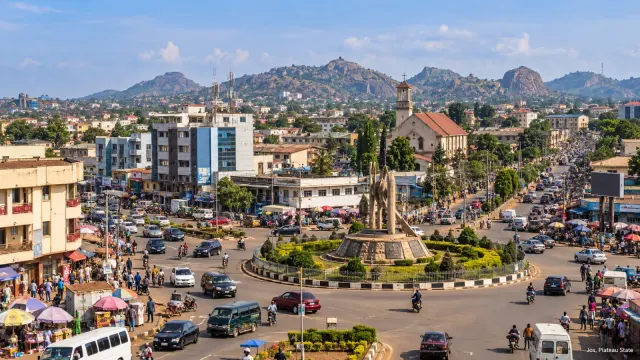
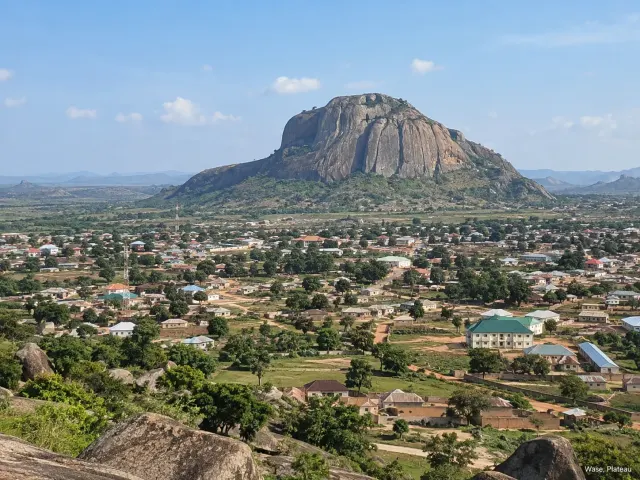
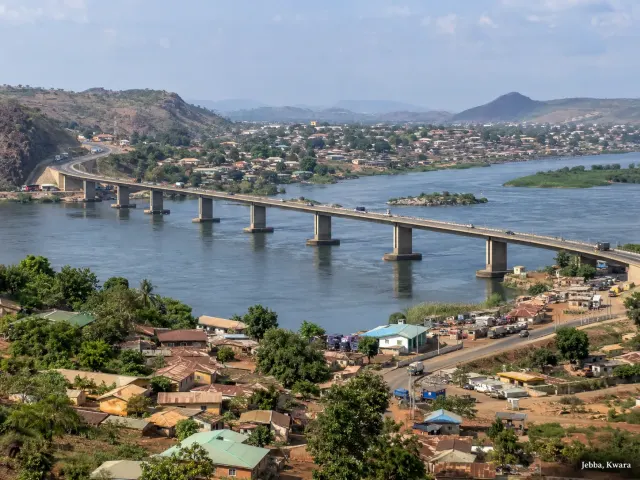
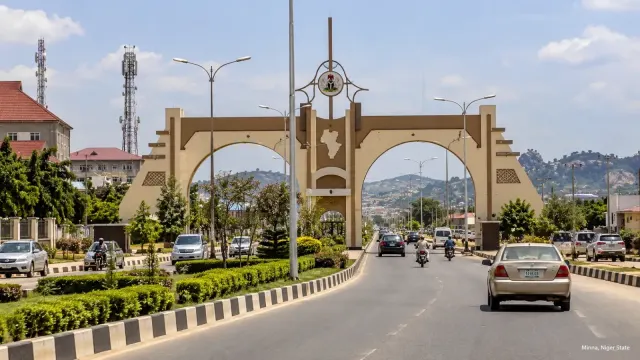
Abuja has been Nigeria's capital since December 1991, when the seat of government moved from Lagos. It was built as a planned city in the centre of the country, chosen partly to be neutral ground between the north and south.
The city lies at the foot of Aso Rock, with wide roads, green spaces and national buildings laid out in districts such as the Central Business District, Garki, Wuse, Maitama and Asokoro. Abuja is also known for its restaurants, lounges, conferences and a growing events scene.
Top things to do in Abuja
-
See Aso Rock and the national landmarks
Aso Rock, a 400-metre granite outcrop, towers over the Three Arms Zone, where the Presidential Villa, the National Assembly and the Supreme Court stand. Eagle Square nearby hosts national ceremonies such as Independence Day celebrations.
-
Visit the National Mosque and National Christian Centre
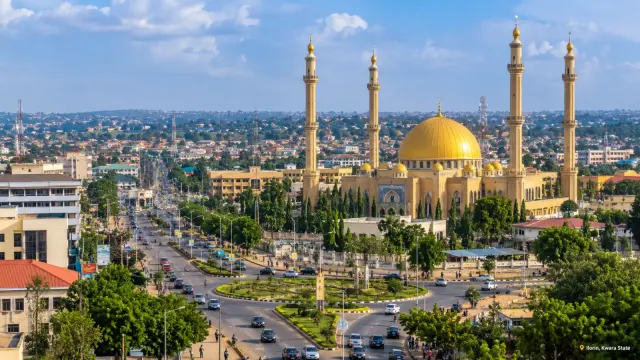
The National Mosque, with its golden dome and four minarets, and the National Christian Centre, a large ecumenical church, face each other across the Central Area. Both are landmarks of the city skyline.
-
Spend a day at Millennium Park
Millennium Park in Maitama is the largest public park in Abuja, with lawns, gardens, water features and a stream running through it. It is a favourite for picnics, photo shoots and weekend walks.
-
Relax by Jabi Lake
Jabi Lake is a man-made lake in the west of the city, with open banks, a waterfront promenade and boat rides. It is busy at sunset and on weekends.
-
See Zuma Rock
Zuma Rock, a huge monolith beside the road to Kaduna just outside the Federal Capital Territory, is often called the "Gateway to Abuja". It appears on the 100 naira note.
-
Shop for arts and crafts
Abuja's arts and crafts markets sell carvings, beads, leatherwork, paintings, fabrics and pottery from across Nigeria. Wuse Market and Garki Market are the city's busiest general markets.
-
Go out in Wuse and Maitama
Wuse 2, Maitama, Jabi and Garki have many of the city's restaurants, lounges, bars and clubs. Concerts, comedy shows, conferences and art exhibitions run throughout the year, and December is especially busy.
Upcoming events in Abuja
See more events in Abuja-
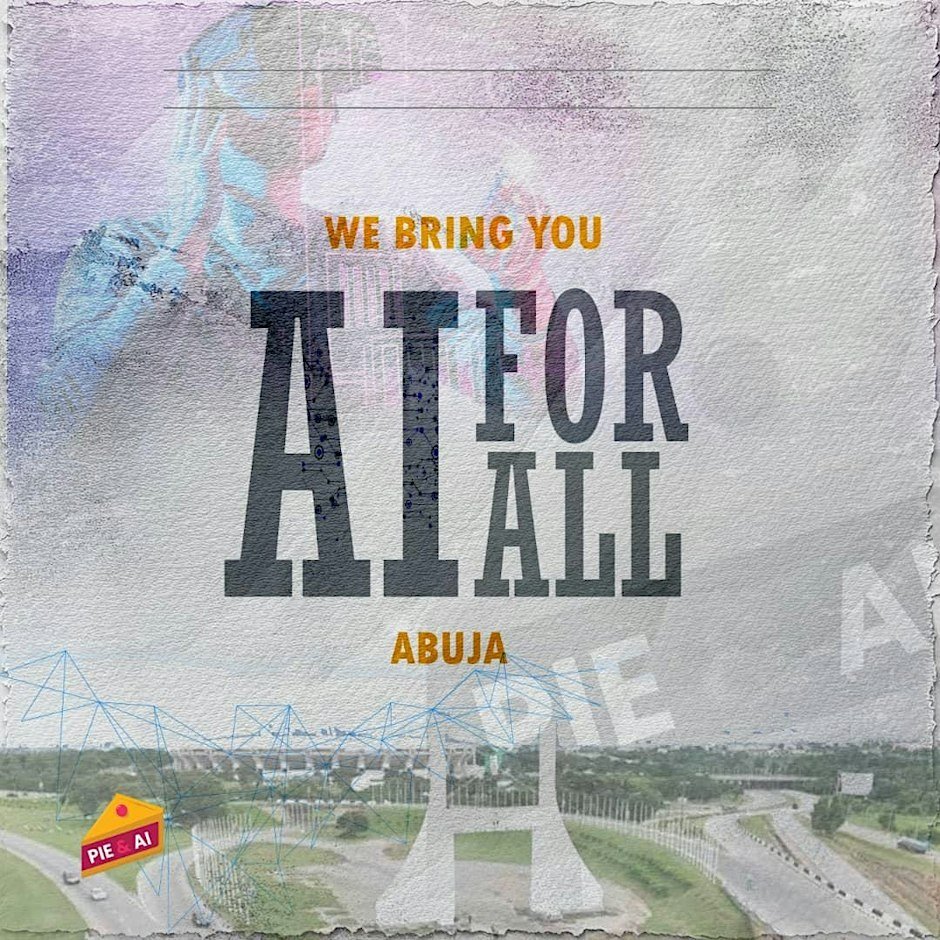 Saturday, October 31, 2026 at 10:00 AM
Pie & AI: Abuja - AI for All: Bridging Innovation, Talent & Opportunity
Merit House, 22 Aguiyi Ironsi St, Maitama, Abuja, Federal Capital Territory 904101
Free
Saturday, October 31, 2026 at 10:00 AM
Pie & AI: Abuja - AI for All: Bridging Innovation, Talent & Opportunity
Merit House, 22 Aguiyi Ironsi St, Maitama, Abuja, Federal Capital Territory 904101
Free
-
 Saturday, October 31, 2026 at 10:00 AM
Unfettered Conference 2026
Gateway International Church Abuja, 185 Adetokunbo Ademola Crescent, Abuja, Federal Capital Territory 904101
Free
Saturday, October 31, 2026 at 10:00 AM
Unfettered Conference 2026
Gateway International Church Abuja, 185 Adetokunbo Ademola Crescent, Abuja, Federal Capital Territory 904101
Free
-
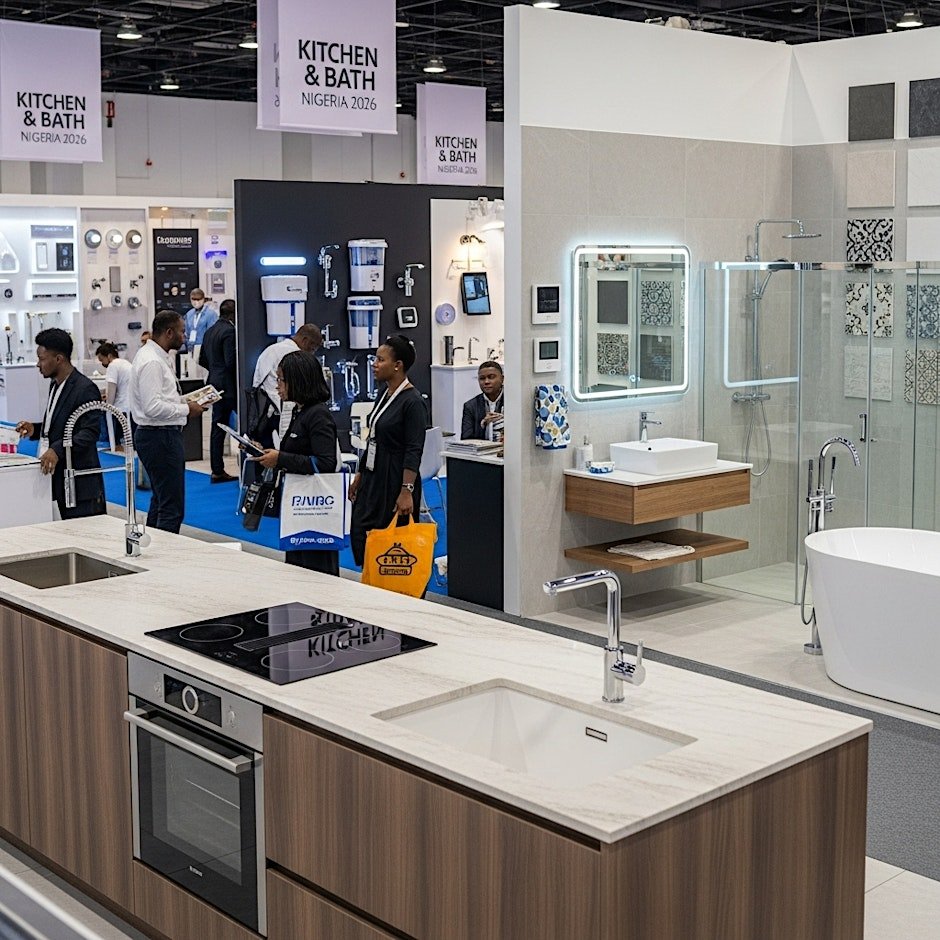 Tuesday, November 3, 2026 at 10:00 AM
KITCHEN & BATH NIGERIA 2026
Abuja Trade & Convention Center, KM 8 Umaru Musa Yar'Adua Road, Lugbe, Federal Capital Territory 900108
Free
Tuesday, November 3, 2026 at 10:00 AM
KITCHEN & BATH NIGERIA 2026
Abuja Trade & Convention Center, KM 8 Umaru Musa Yar'Adua Road, Lugbe, Federal Capital Territory 900108
Free
-
 Friday, November 6, 2026 at 3:00 PM
The Legacy Building Conference 2026: Men's Leadership & Networking
Novare Centre, Novare Centre, Zone 5, Abuja, Nigeria, Abuja, FCT abuja 900003
Free
Friday, November 6, 2026 at 3:00 PM
The Legacy Building Conference 2026: Men's Leadership & Networking
Novare Centre, Novare Centre, Zone 5, Abuja, Nigeria, Abuja, FCT abuja 900003
Free
-
 Saturday, November 7, 2026 at 9:00 AM
Motherhood & Me Conference 2026
The Aretean Place, Off Michika Street, #Area 11, Abuja, Federal Capital Territory 900247
Free
Saturday, November 7, 2026 at 9:00 AM
Motherhood & Me Conference 2026
The Aretean Place, Off Michika Street, #Area 11, Abuja, Federal Capital Territory 900247
Free
-
 Tuesday, November 10, 2026 at 9:00 AM
Investors Summit Nigeria, 2026
Abuja Continental Hotel, 1 ladi Kwali Street, #Zone 4, Abuja, Federal Capital Territory 900001
From ₦1,000.00
Tuesday, November 10, 2026 at 9:00 AM
Investors Summit Nigeria, 2026
Abuja Continental Hotel, 1 ladi Kwali Street, #Zone 4, Abuja, Federal Capital Territory 900001
From ₦1,000.00
Festivals and culture
Abuja hosts national celebrations such as Independence Day on 1 October, and it has held a large city carnival with cultural troupes from across Nigeria in some years. As the capital, it brings together festivals and food from every part of the country, and December is busy with concerts, parties and end-of-year events.
Food to try
Abuja has food from across Nigeria. Try suya and kilishi from the north, pepper soup, nkwobi and isi ewu from the east, jollof rice, tuwo with miyan kuka, masa, and fresh fish grilled by the roadside in the evening.
Best time to visit
November to March is the dry season, with harmattan haze and cool mornings in December and January. The rainy season runs from about April to October, and evenings are pleasant much of the year.
Getting around
Taxis and ride-hailing apps are the easiest way around. Abuja's light rail links the city centre with the airport area, and the international airport is about 40 minutes from the centre by road.
Questions about Abuja
When did Abuja become the capital of Nigeria?
Abuja officially became the capital on 12 December 1991, when the seat of government moved from Lagos.
What are the top landmarks in Abuja?
Aso Rock, the National Mosque, the National Christian Centre, Millennium Park, Jabi Lake, Eagle Square and Zuma Rock just outside the city.
When is the best time to visit Abuja?
November to March, during the dry season. December has the most concerts and parties.
How do I find events in Abuja?
Browse upcoming concerts, parties, conferences and free events in Abuja on Shows.ng, and filter by today, this weekend or this month.