In this article
Creativity rarely begins with having all the answers. More often, it starts with a question, a different way of looking at something familiar, or a conversation that makes you reconsider what you thought you already knew.
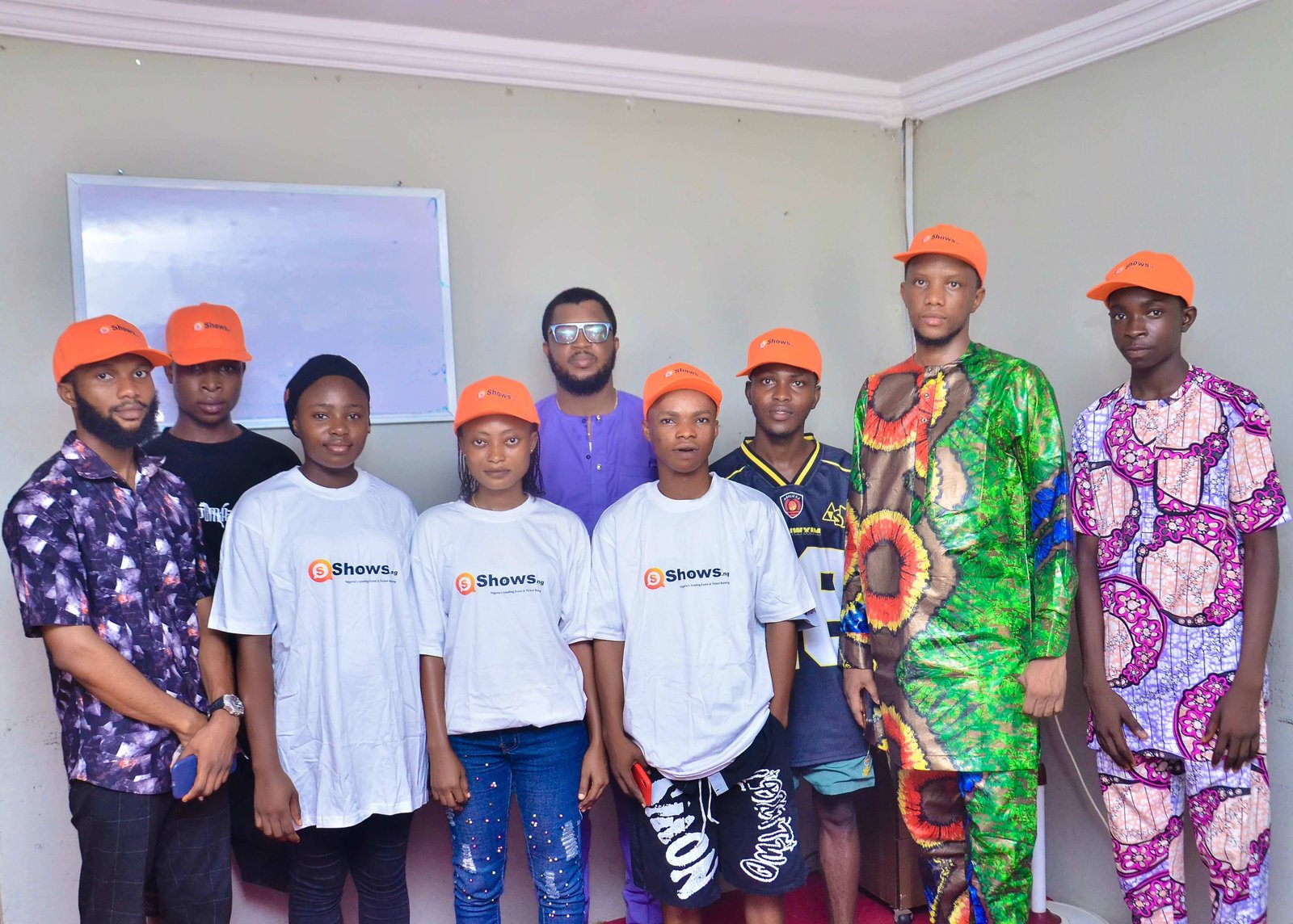
That spirit shaped our World Creativity and Innovation Day gathering, where young people from different backgrounds came together to exchange ideas, learn from one another and explore what becomes possible when people are given room to think differently. The day was built around conversation and participation rather than simply listening from the audience. Discussions opened up new perspectives, workshops turned ideas into something practical, and throughout the gathering there was a strong sense that creativity becomes more powerful when it is shared.

Creativity Becomes Stronger When Different People Meet
One of the most interesting things about bringing creative people together is that they do not need to work in the same field to learn from each other. A person interested in technology may approach a problem differently from someone working in media. An entrepreneur may see an opportunity where an artist sees a story. Someone at the beginning of their career may ask a question that a more experienced person has stopped thinking about.
Those differences were part of what made the gathering valuable. People were able to share their own experiences while also hearing perspectives they may not encounter in their usual circles. It created the kind of environment where an idea could begin in one conversation and become something completely different by the time another person contributed to it.
Creativity is sometimes treated as though it belongs mainly to artists, designers, writers or musicians, but it shows up everywhere. It is present when someone finds a better way to run a business, develops a new product, solves a community problem, improves a process or simply refuses to accept that something must continue being done the way it has always been done.
The ability to question, experiment and imagine alternatives is useful in almost every field. What changes is how that creativity is expressed.

Ideas Need More Than Inspiration
There is a difference between leaving an event feeling inspired and leaving with something you can actually use. Inspiration can disappear quickly once normal routines return, which is why practical engagement was an important part of the experience.
The workshops gave participants room to move beyond simply talking about creativity. They could explore ideas more closely, ask questions and think about how those ideas might apply to their own work, businesses, projects or communities. That practical side matters because innovation does not happen only when someone has a brilliant idea. It happens when that idea is tested, improved and eventually turned into something useful.
It was also a reminder that nobody develops in isolation. Even highly independent creators benefit from feedback, collaboration and exposure to people who see things differently. Sometimes another person's question reveals a weakness in an idea. Sometimes a casual conversation provides the missing piece. Other times, meeting someone working on a completely different problem creates an unexpected connection.
This is one of the reasons physical gatherings still matter even when so much learning and networking now happens online. Being in the same room creates opportunities for spontaneous conversations that are difficult to plan in advance. The person sitting beside you during a workshop can become a collaborator. A speaker's comment can lead to an idea you continue thinking about weeks later. A conversation during a break can introduce you to an industry or community you had never considered exploring.
We have written more about this in our guide on how attending events can support networking and personal growth. The value of an event often continues long after the programme itself has ended.
Creating Spaces Where Ideas Can Meet
Events like this also highlight something important about creative communities: people need places to find one another.
An idea may begin with one person, but building something around it often requires other people. You may need someone with a different skill, an audience willing to test what you are creating, a mentor who has solved a similar problem, or simply a group of people willing to listen while the idea is still taking shape.
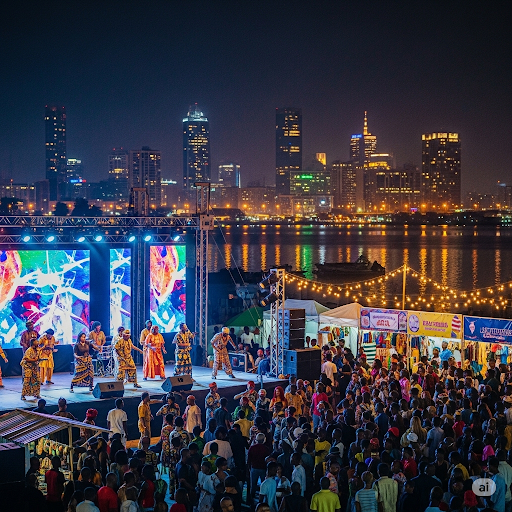
Workshops, conferences, meetups, talks and networking gatherings can create those meeting points. They give organisers an opportunity to bring a community together around a subject that matters and give attendees a reason to connect beyond their existing networks.
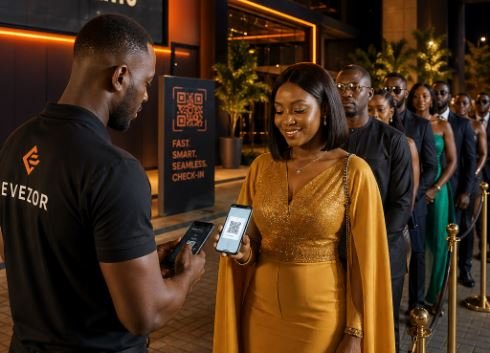
That is also where event technology should stay in the background and make the practical side easier. A creative organiser should be able to spend more time thinking about the programme, speakers, workshops and people they want to bring together instead of manually managing every registration or ticket request.
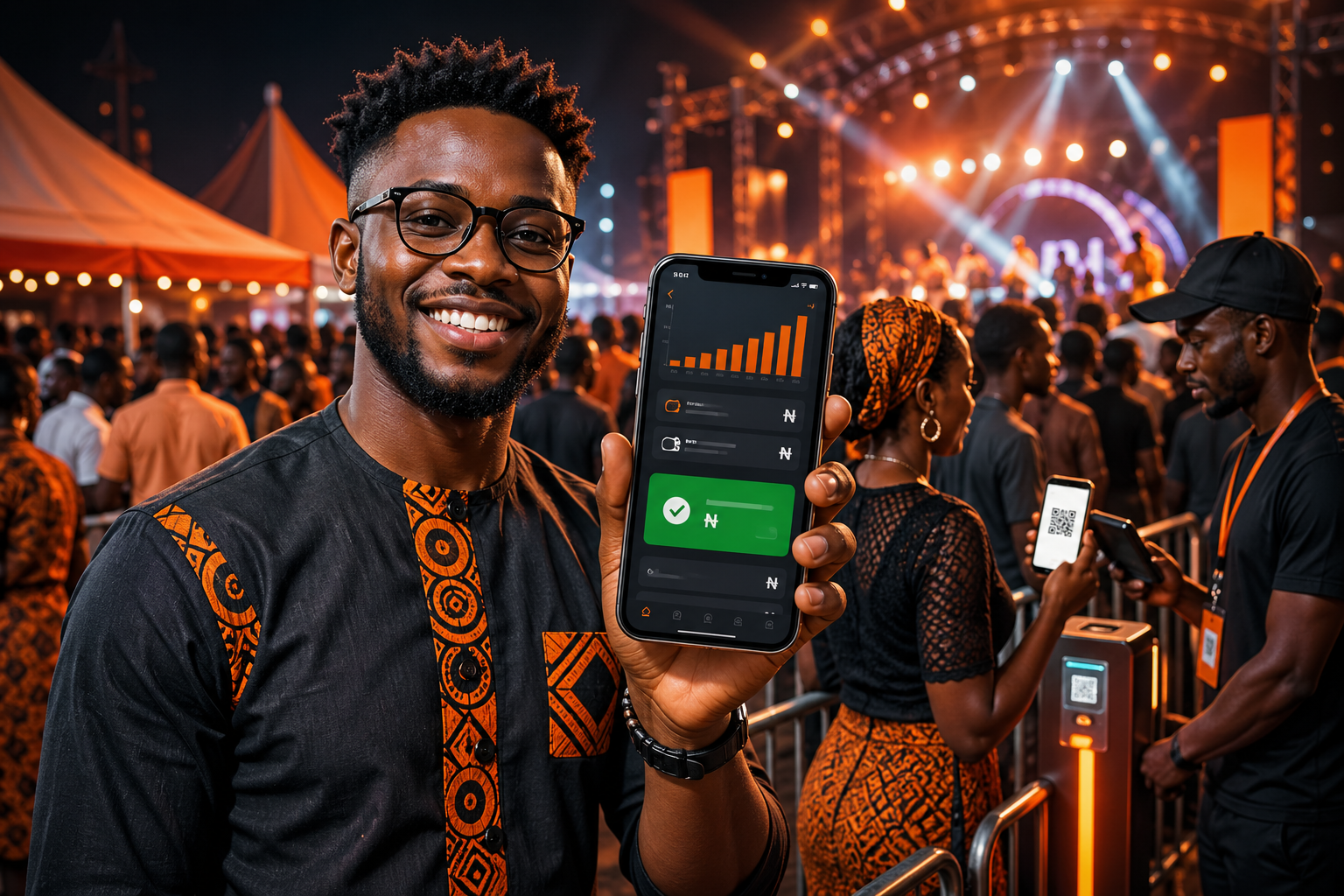
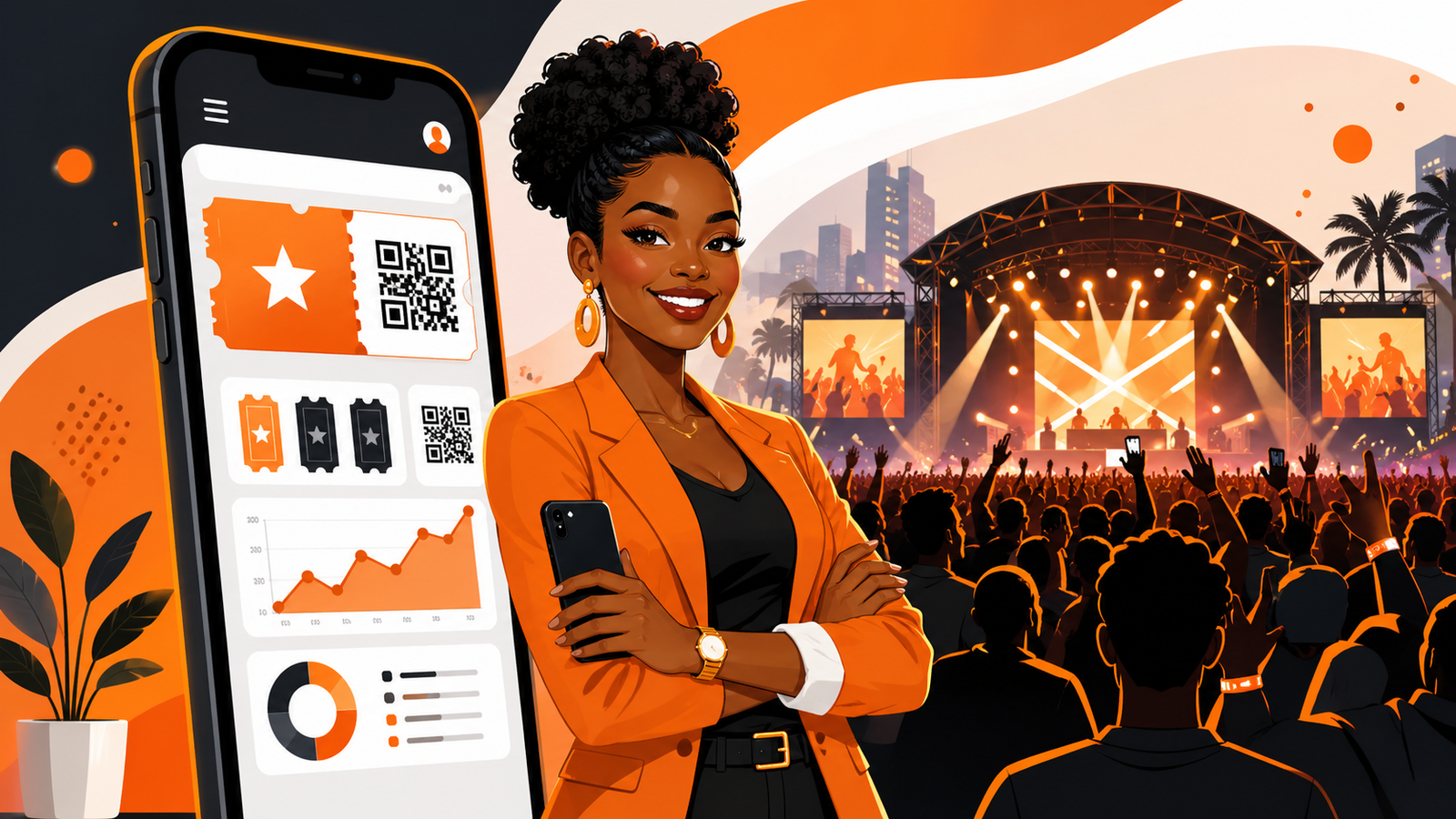
Shows.ng was built to support that part of the process. Organisers can create and publish events on Shows.ng, manage registrations or ticket sales and give attendees a clear place to find the information they need before attending. The platform supports different kinds of organised experiences, including workshops, conferences, community gatherings, trainings and creative events.
Technology cannot make an event meaningful by itself. What it can do is remove some of the friction around bringing people together so that organisers can concentrate on the experience they are creating.

The Conversation Should Continue After the Event
One successful gathering is not the finish line for creativity. If anything, events like this are most useful when they encourage people to continue asking questions afterwards.
What idea have you been postponing because it does not feel ready yet? What problem around you could be approached differently? Who do you need to speak with to move a project forward? What would you attempt if you were less worried about getting the first version perfect?
Creativity grows through curiosity, but it also grows through action. The conversations, workshops and connections made during the gathering matter most when they lead to something afterwards, whether that is a new project, collaboration, experiment, business idea or simply a different way of thinking about an old problem.
That is the larger lesson we took away from the day. Innovation does not always arrive as one dramatic breakthrough. Sometimes it begins when people with different experiences enter the same room, listen to each other and become willing to explore an idea a little further.
We want to continue creating and supporting spaces where those conversations can happen, while also helping creators, communities and event organisers turn their own ideas into experiences people can participate in.
If you are working on a workshop, creative gathering, conference, networking event or another idea that deserves an audience, you can create your event on Shows.ng and start building the experience around it.
Creativity may begin with an idea, but innovation starts when we give that idea somewhere to go.