In this article
- Why Events Are So Good for Building Connections
- Networking Is More Than Collecting Contacts
- Events Can Expose You to Opportunities You Were Not Looking For
- Events Help You Learn Outside Your Normal Routine
- Attending Events Can Improve Your Confidence
- You Get to Hear Different Perspectives
- Social Events Can Contribute to Personal Growth Too
- Events Can Help You Find a Community
- How to Network at an Event Without Making It Awkward
- Do a Little Preparation Before You Attend
- The Follow-Up Is Where Networking Starts to Matter
- Do Not Attend Every Event Just Because It Is Popular
- Make It a Habit to Explore New Events
- What You Do at the Event Matters More Than Simply Attending
You can learn a lot from books, courses, videos and conversations online. But some forms of growth happen much faster when you leave your usual environment and spend time around people who share your interests, challenges or ambitions.
That is one reason events can be so valuable.
A conference may introduce you to someone working in the career you want. A workshop could help you finally understand a skill you have been struggling with. A business meetup might lead to a client, mentor or collaborator. Even a concert, festival or social gathering can expose you to new people, ideas and experiences.
The real benefit of attending events is not simply being present. It is what you learn, who you meet and what you do with those opportunities afterwards.
If you want to use events for networking, career development or personal growth, here is how to get more value from the next one you attend.
Why Events Are So Good for Building Connections
Networking online is useful, but meeting someone face to face creates a different kind of connection.
At an event, you already have something in common with most of the people around you. You chose to attend the same conference, workshop, concert, exhibition, meetup or festival. That shared interest gives you a natural place to begin a conversation.
You do not have to walk up to someone and immediately start talking about jobs or business.
A simple question such as "What made you decide to attend this event?" can lead to a much more useful conversation.
Professional events can put you in the same room with:
- People working in your industry
- Potential employers
- Business owners
- Potential clients
- Mentors
- Investors
- Speakers and industry experts
- People looking for collaborators
- Others at a similar stage of their careers
But useful networking is not limited to business conferences.
You could meet a future business partner at a creative event, discover a photographer at a fashion show, meet someone working in your dream company at a concert or connect with a new friend at a community gathering.
Sometimes the most useful connections happen in places where nobody arrived expecting to "network."
Networking Is More Than Collecting Contacts
One mistake people make at events is treating networking like a competition to collect as many phone numbers, Instagram handles or LinkedIn connections as possible.
Having 40 new contacts means very little if you cannot remember who any of them are a week later.
A better goal is to have a few good conversations.
Try to understand what the other person does, what they are interested in and why they attended the event. Share something useful about yourself too, but avoid turning every conversation into a sales pitch.
If there is a genuine reason to stay in touch, exchange contact information.
Five useful conversations will often create more value than introducing yourself to fifty people without forming any real connection.
Events Can Expose You to Opportunities You Were Not Looking For
Not every opportunity begins with an application form.
Sometimes you hear about an opening while speaking with someone after a panel discussion. Someone may mention that their company needs a designer, developer, photographer or consultant. A founder might be looking for a partner. A speaker could mention a programme, community or opportunity you did not know existed.
These moments happen because events bring information and people together.
You may arrive intending only to learn something and leave with a completely different opportunity.
This does not mean attending one event will magically change your career. It means events increase the number of useful conversations and situations you are exposed to.
The more relevant people and ideas you encounter, the greater the chance that one of those connections will lead somewhere meaningful.
Events Help You Learn Outside Your Normal Routine
Most of us repeatedly consume information from similar sources.
We follow the same people online, read similar websites and speak with people who work or think like us.
Events can interrupt that pattern.
A conference may introduce you to a new industry trend. A masterclass might show you a completely different approach to your work. A panel discussion may expose you to opinions you disagree with but still need to understand.
Workshops are particularly useful because they can move beyond theory.
Instead of only hearing someone explain a topic, you may get the opportunity to practise, ask questions and receive feedback.
You can use events to develop skills such as:
- Public speaking
- Leadership
- Communication
- Marketing
- Technology
- Entrepreneurship
- Design
- Writing
- Financial management
- Career development
When choosing an event specifically for learning, look beyond the title. Check the programme, speakers and sessions to see whether the event actually covers something useful to you.
Our guide on how to choose the right event to attend can help when you are deciding between different options.
Attending Events Can Improve Your Confidence
Walking into a room where you barely know anyone can feel uncomfortable.
That discomfort is also one of the reasons events can help you grow.
Each time you introduce yourself to someone new, ask a question during a session or join an unfamiliar group conversation, you practise social and communication skills that become easier with repetition.
You may notice that after attending several events:
- Starting conversations feels less awkward
- You explain what you do more clearly
- Speaking in groups becomes easier
- You become more comfortable asking questions
- You worry less about approaching new people
You do not need to become the loudest person in the room.
Confidence can simply mean being comfortable enough to introduce yourself, contribute when you have something useful to say and leave the event knowing you did not spend the entire time hiding behind your phone.
You Get to Hear Different Perspectives
Personal growth becomes difficult when everyone around you thinks exactly like you.
Events can bring together people from different professions, cities, cultures, age groups and levels of experience.
That gives you the opportunity to hear how other people approach problems.
A young entrepreneur may see an industry very differently from someone who has worked in it for twenty years. A creative professional may approach a business problem differently from an accountant. Someone from another part of Nigeria may have completely different experiences from yours.
You do not have to agree with every opinion you hear.
The benefit is learning how other people see the world and understanding why they see it that way.
That can improve your ability to communicate, collaborate and make decisions, particularly when you work with people from different backgrounds.
Social Events Can Contribute to Personal Growth Too
Growth does not always have to look like sitting in a conference room taking notes.
Social and cultural events can be valuable for completely different reasons.
A live performance can introduce you to a type of music you have never explored. An exhibition may change how you think about art. A food festival can expose you to different cultures. A community event might introduce you to people outside your usual social circle.
Even simply taking a break from your normal routine can be useful.
For someone whose week is dominated by work, school or business, attending an enjoyable event can create space to relax, reconnect with friends and experience something new.
If you are looking for that kind of experience, you can browse social events on Shows.ng and compare upcoming options.
Events Can Help You Find a Community
One valuable connection is useful. Finding an entire community can be even more important.
Many events are built around groups of people with similar interests, professions or goals.
For example, attending a technology meetup might introduce you to a local developer community. A writing workshop could connect you with other writers. A fitness event may lead you to a regular training group.
Communities can provide:
- Advice
- Encouragement
- Accountability
- Job and business opportunities
- Introductions
- Learning resources
- Friendships
The event may last only a few hours, but the community you discover through it can remain useful for years.
How to Network at an Event Without Making It Awkward
You do not need an elaborate networking strategy.
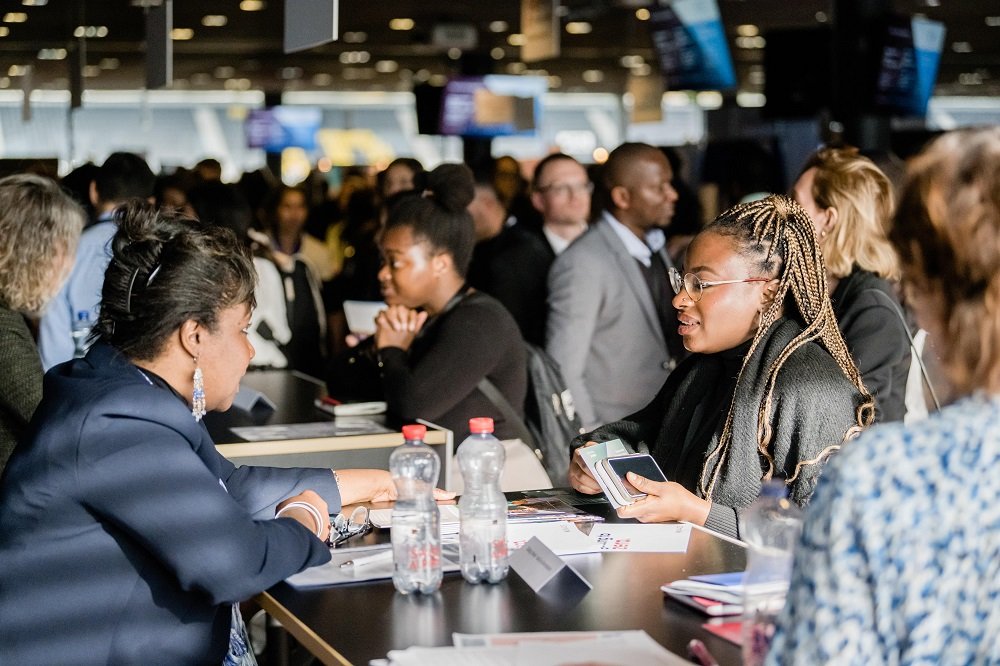
Start by arriving early enough to settle in before the event becomes crowded. Conversations are often easier before sessions begin, during registration or while people are waiting for an activity to start.
Introduce yourself normally
Your introduction does not need to sound like a company profile. Say your name, what you do if it is relevant and why you came.
Ask simple questions
You can ask what someone thought about a session, whether they have attended the event before or what they are hoping to learn.
Listen properly
Do not spend the entire conversation waiting for an opportunity to talk about yourself.
Do not force the connection
Not every person you meet needs to become a contact. Some conversations will simply be pleasant conversations.
Know when to move on
You do not need to spend an hour speaking with one person. If the conversation has naturally reached its end, exchange details if appropriate and continue enjoying the event.
Do a Little Preparation Before You Attend
Showing up prepared can make an event far more useful.
Before attending a professional event, spend a few minutes reviewing the programme.
Identify the sessions, speakers or activities that matter most to you. If there are several sessions happening simultaneously, decide which ones you want to prioritise.
If you know certain people or companies will be attending, you can also do a little research beforehand.
You do not need to create a spreadsheet of everyone in the room. The goal is simply to avoid arriving without any idea of what you want from the day.
Ask yourself:
- What do I want to learn?
- Who would I like to meet?
- Is there a question I want answered?
- What would make attending this event worthwhile?
Having even one clear goal can completely change how you experience an event.
The Follow-Up Is Where Networking Starts to Matter
Meeting someone once does not automatically create a useful professional relationship.
You have to follow up.
If someone gave you their contact information and there was a genuine reason to continue the conversation, send a short message within a day or two.
You do not need to write anything complicated.
Remind them where you met and mention something from your conversation.
For example:
"Hi Tolu, great meeting you at the marketing workshop yesterday. I enjoyed our conversation about building communities around events. Thanks for sharing those ideas."
That message is much easier to remember than a random "Hello, we met at an event" three months later.
If you promised to send something, make an introduction or share a resource, do it.
Reliable follow-up is one of the easiest ways to turn a quick event conversation into a genuine relationship.
Do Not Attend Every Event Just Because It Is Popular
More events do not automatically mean more growth.
Your time and money are limited, so be selective.
An event is worth considering when it gives you access to people, information or experiences that genuinely matter to you.
Before paying for a ticket, ask:
- Is this relevant to something I want to learn or experience?
- Are the speakers, performers or activities interesting to me?
- Can I realistically afford the full cost of attending?
- Is the location practical?
- Will I regret missing this, or am I simply reacting to social media hype?
A small meetup with thirty relevant people can sometimes be more useful than a conference with thousands of attendees.
The size of the event matters less than the quality of the opportunity for you.
Make It a Habit to Explore New Events
You do not have to wait until someone sends you a flyer on WhatsApp before deciding to go somewhere.
Occasionally look for events connected to your interests, career, hobbies or the kind of people you want to meet.
You may find a workshop you would never have heard about through your normal social circle or discover a small event happening close to you.
You can explore upcoming events in Nigeria on Shows.ng and browse events by location, category, date and ticket options.
Try different types of events too.
If you normally attend only entertainment events, consider a workshop or industry meetup. If most of your outings are professional, attend something purely social once in a while.
Growth often comes from stepping outside the routine you already know.
What You Do at the Event Matters More Than Simply Attending
An event ticket gives you access. It does not automatically give you connections, knowledge or personal growth.
You create that value by participating.
Listen carefully. Ask questions when you have them. Speak to people. Take useful notes. Exchange contacts when there is a genuine reason to stay connected. Follow up afterwards.
You do not have to leave every event with a new job, client or best friend for the experience to be worthwhile.
Sometimes the value is one useful idea. Sometimes it is a conversation that changes how you think. Sometimes it is simply becoming more comfortable in unfamiliar environments.
Over time, those experiences add up.
So the next time you are deciding whether an event is worth attending, look beyond the entertainment or the headline speaker. Think about the people you might meet, what you could learn and the kind of experience the event could expose you to.
If you are ready to see what is happening next, browse events on Shows.ng and find something worth showing up for.