In this article
- Take the Event Closer to the Water
- Let Art Become Part of the Atmosphere
- A Rooftop Can Make a Small Event Feel Bigger
- Gardens Give You Space Without Losing Intimacy
- Industrial Spaces Give You Almost Nothing, Which Can Be the Appeal
- Historical and Cultural Locations Can Give an Event Meaning
- Sometimes the Best Venue Is a Home That Already Feels Special
- Open Land Lets You Build the Venue Yourself
- A Cinema or Theatre Gives You Production Before You Arrive
- Pop-Up Spaces Work When the Event Is Meant to Feel Temporary
- The Most Unusual Venue Is Not Automatically the Best One
- Let the Location Become Part of the Story
There is nothing wrong with hosting an event in a hotel or traditional event hall. They are popular for good reasons. The spaces are usually designed for gatherings, vendors already understand how to work in them, and many of the practical things you need are easier to arrange.
But sometimes the venue itself can become part of the experience.
A birthday beside the water feels different from the same celebration inside a ballroom. A fashion presentation inside an industrial space can immediately create a different mood. A small networking event on a rooftop can feel more relaxed than putting everybody around conference tables.
If you are planning an event in Nigeria and want the setting to contribute something memorable, it may be worth looking beyond the usual hotel, hall or event centre. The right alternative venue can give your event character before the decoration team has even started working.
The important thing is not to choose an unusual space simply because it looks good in pictures. Non-traditional venues often require more planning around power, toilets, parking, weather, security, sound and access. The venue should make the experience more interesting without making the event unnecessarily difficult to run.
Take the Event Closer to the Water
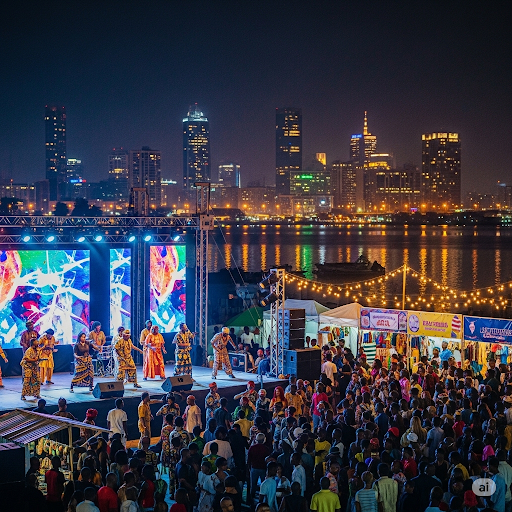
Beachfront and waterfront venues can completely change the atmosphere of an event. Instead of relying heavily on decoration to create a setting, you already have the water, open sky and natural surroundings doing part of the work for you. That can make these locations especially attractive for birthdays, weddings, proposals, intimate concerts, brand experiences and relaxed social gatherings.
In Lagos, places around Tarkwa Bay and other waterfront areas have long influenced the city's outdoor event culture, while destinations in other parts of Nigeria offer their own coastal and waterside possibilities. The attraction is easy to understand. A sunset gathering beside the water can feel far removed from the standard event-hall experience even when it is happening inside the same city.
But a beautiful view does not remove the practical questions. You need to think about how guests will get there, whether vehicles can reach the location, what happens if rain starts, where electricity will come from and how sound behaves in an open environment. For beach locations in particular, sand changes everything from footwear to equipment setup. A beautiful outdoor concept can quickly become uncomfortable if guests were not told what kind of environment to expect.
Permissions and operating rules also need to be confirmed directly with whoever manages the location. Do that before announcing the venue publicly, especially if you are planning amplified music, a large crowd or an event that will run into the evening.
Let Art Become Part of the Atmosphere
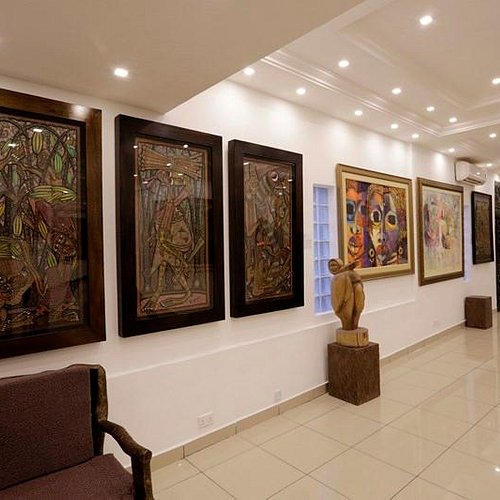
Art galleries and cultural spaces work particularly well when you want the venue to feel considered without covering every surface in decoration. The artwork, architecture and existing character of the building can become part of the event itself.
This type of venue can suit exhibitions, book launches, networking evenings, panel conversations, intimate celebrations, fashion events, creative workshops and brand gatherings. Spaces associated with arts and culture can also attract an audience that already understands the kind of mood you are trying to create.
Venues such as galleries and cultural centres may have stricter rules than conventional halls, though. You may be working around valuable artwork, fixed opening hours or limitations on food, drinks, sound and equipment placement. That makes the planning conversation important. Instead of arriving with a normal hall setup and trying to force it into the building, design the event around the space that is already there.
That is often where the beauty comes from. If people are attending an event inside a gallery, let them feel that they are inside a gallery rather than hiding everything behind drapes and temporary backdrops.
A Rooftop Can Make a Small Event Feel Bigger
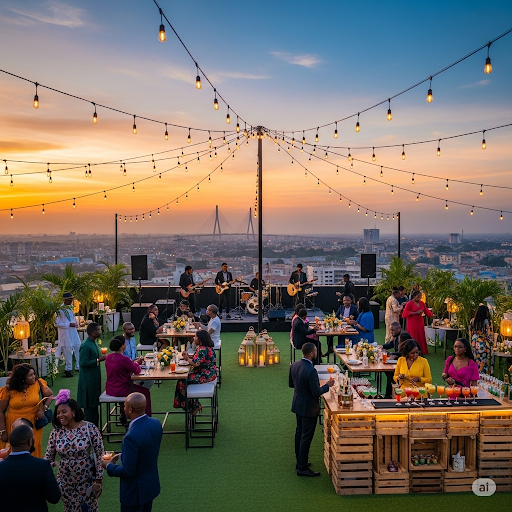
Rooftops have a way of making relatively simple gatherings feel like an occasion. A city view, open air and evening light can provide enough atmosphere that you do not need an enormous production budget to make the space interesting.
They can work beautifully for birthdays, cocktail events, listening parties, networking evenings, proposals, small launches and private dinners. In cities such as Lagos, Abuja and Port Harcourt, a rooftop setting can also give guests a completely different view of a place they already know.
The challenge is that rooftops are not automatically event venues simply because they have space. Access matters. If the only route is a narrow staircase, you need to think carefully about your guest profile and what happens during an emergency. Wind affects decorations, banners and lightweight furniture. Rain needs a backup plan. Sound may also affect neighbouring properties more than it would inside an enclosed building.
Capacity deserves particular attention. A rooftop that looks spacious in photographs may have structural or operational limits that are much lower than you expect. Confirm what the venue actually allows rather than estimating the number of people you can fit based on appearance.
Gardens Give You Space Without Losing Intimacy
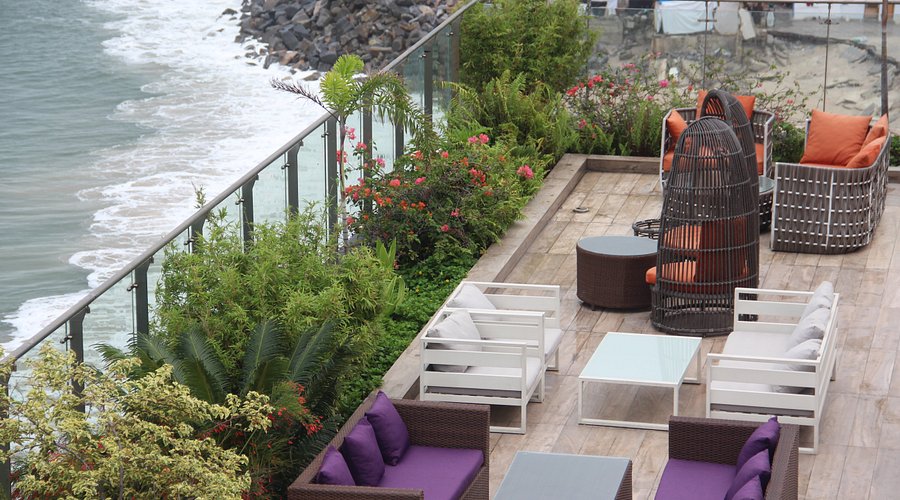
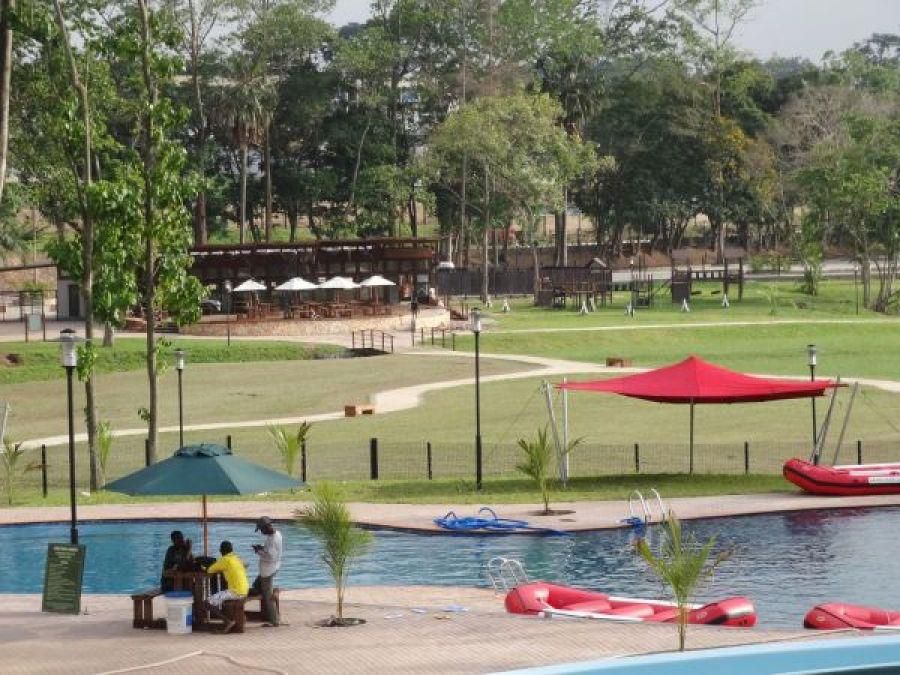
Parks and gardens are useful when you want an outdoor event but do not necessarily want the beach experience. Green surroundings can suit children's celebrations, bridal showers, picnics, wellness events, intimate weddings, community gatherings and daytime brand activations.
The natural environment can also reduce how much artificial decoration you need. Instead of trying to build an entire visual world inside an empty hall, you may only need furniture, shade, lighting and a few design elements that work with the landscape.
The part people sometimes underestimate is infrastructure. A garden may look perfect when you visit on a quiet afternoon and become much more complicated once you imagine two hundred guests there. Where will they park? Are there enough toilets? Where will catering happen? Can vendors bring equipment close to the event area? Is there electricity? What happens if the ground becomes wet?
For public parks, you also need to confirm whether events are allowed, the operating hours, available facilities and whatever approval process applies to the space. For private gardens, ask many of the same questions you would ask a traditional venue. Beautiful grass is not a substitute for a workable event plan.
Industrial Spaces Give You Almost Nothing, Which Can Be the Appeal
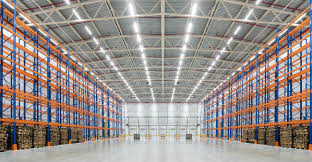
An empty warehouse does not immediately look like a glamorous event venue, and that is exactly why creative teams can enjoy working with one.
Industrial spaces give you fewer visual instructions. Exposed walls, concrete floors, high ceilings and open layouts create a blanker canvas than most decorated event centres. For fashion shows, exhibitions, music experiences, creative productions, brand launches and certain kinds of nightlife events, that raw quality can become part of the identity.
The transformation can be dramatic when lighting, staging, projection and sound are used well. Instead of hiding the industrial character, planners can build around it.
But this is one category where the word venue needs to be taken seriously. An empty building is not automatically suitable for hosting the public. You need to know whether it can legally and safely accommodate the gathering you are planning, whether there are usable exits, toilets, ventilation, power and suitable access for guests and emergency response. An unfinished structure that looks amazing during a location scout can create serious problems once hundreds of people are inside it.
For unconventional spaces, bring the production and safety conversations in early. Do not wait until the decoration team arrives before discovering that the building cannot support what you planned.
Historical and Cultural Locations Can Give an Event Meaning
Sometimes the venue can contribute to the story of the event rather than simply provide somewhere for it to happen.
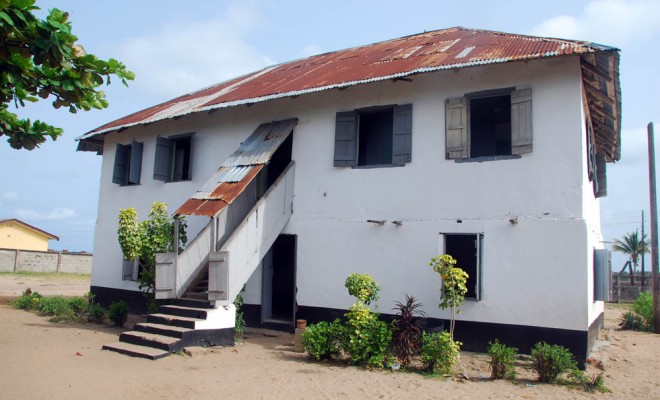
Museums, heritage locations and culturally significant sites can work particularly well for educational gatherings, cultural programmes, tourism events, heritage celebrations, photography experiences and carefully designed brand events. When the subject of the event connects naturally with the location, the setting gives the programme a depth that would be difficult to recreate inside a generic hall.
Nigeria has historic and culturally significant spaces across different states, from museums and monuments to natural heritage attractions. The important thing is to approach these locations with respect. They may have restrictions on capacity, commercial activity, photography, food, equipment and the areas guests are allowed to enter.
A historical site should not be treated as an empty backdrop that can be changed however the organiser wants. The venue's identity is part of why you chose it, so the event should work with that identity.
If you are planning around a destination or heritage location, transport and timing become especially important. Guests may need clearer directions than usual, and your event schedule should account for how long it actually takes people to reach the site.
Sometimes the Best Venue Is a Home That Already Feels Special
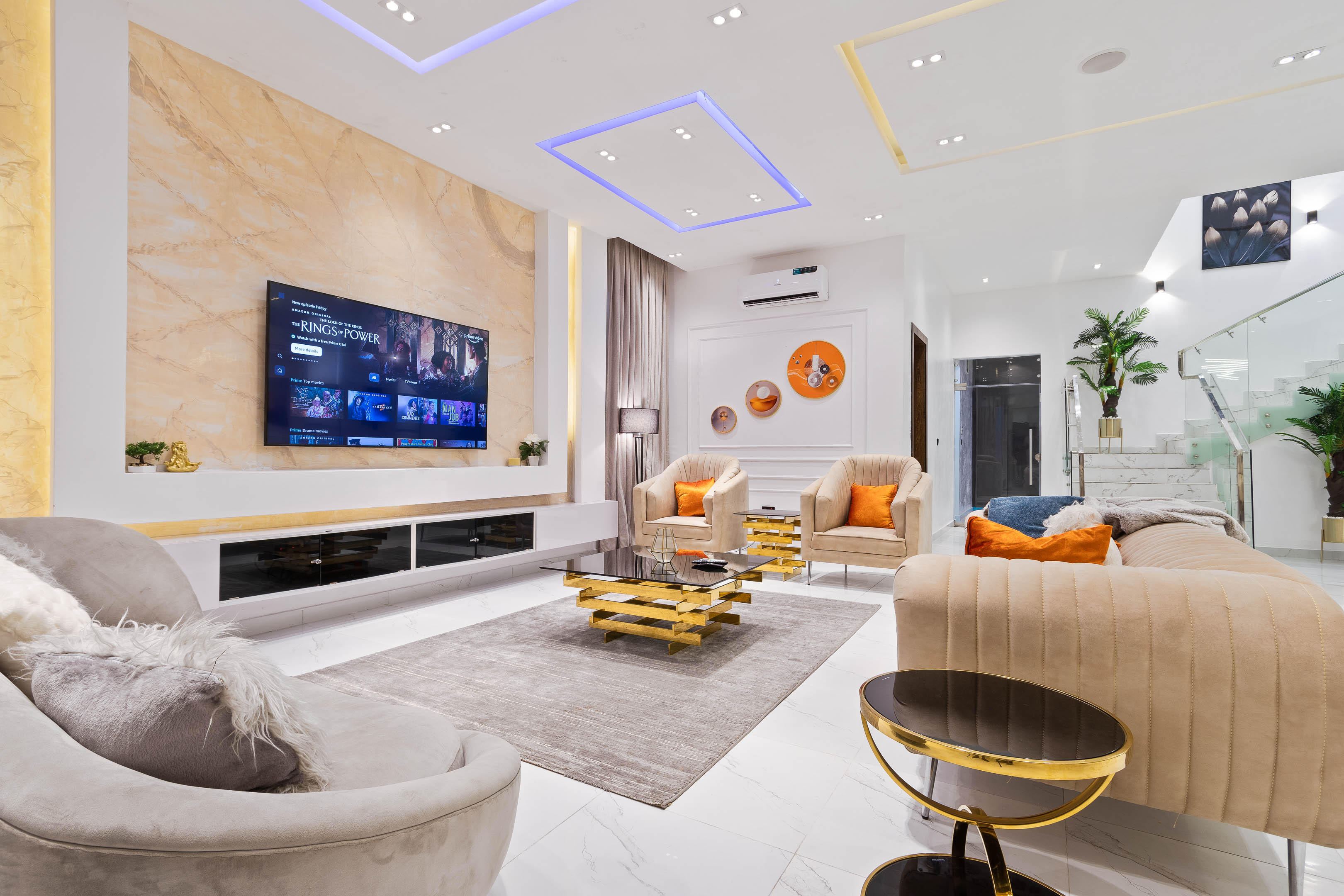
Private homes, villas and residential outdoor spaces can work beautifully for smaller events where privacy matters more than scale. A well-designed living area, courtyard, garden or poolside can create a relaxed atmosphere that would be difficult to achieve inside a large commercial venue.
This can suit intimate birthdays, bridal showers, dinners, proposals, small wedding celebrations, content events and private networking gatherings. Guests may also feel more relaxed because the environment feels less formal.
The biggest mistake is assuming a beautiful residential property automatically permits events. Before paying for a short-term rental or private property, confirm directly that the owner allows the kind of gathering you are planning. Be clear about guest numbers, music, catering, parking and operating hours. Residential neighbours will care very quickly if your intimate dinner quietly becomes a 100-person party with outdoor speakers.
Security matters too. Unlike a traditional event venue, a private home may not have an established gate-management process. Think carefully about who has the address, how guests will be verified and whether people can wander into parts of the property that should remain private.
For the right event and the right property, though, a residential setting can feel much more personal than hiring another hall.
Open Land Lets You Build the Venue Yourself
An open field can look like almost nothing during the first site visit. That is also what gives it so much potential.
With the right production, open land can become a festival ground, outdoor wedding, food event, worship gathering, large concert or nature-focused experience. You are not working around an existing ballroom layout, which gives the team much more freedom to decide where the stage, audience, food, toilets and other parts of the event should go.
The freedom comes with responsibility because you may also have to create almost everything a normal venue would have provided.
Power needs to come from somewhere. Guests need toilets. Vehicles need somewhere to park. Caterers and production trucks need access. You need to think about lighting after dark, ground conditions, security around the perimeter and what happens if the weather changes.
The land itself should also be checked properly. Uneven ground may affect staging and seating, while heavy rainfall can change a perfectly usable field very quickly.
Outdoor events can be spectacular, but the parts guests never see often require the most work. The tent, stage and decoration may create the final photograph, while drainage, cables, generators and access routes determine whether the event actually functions.

A Cinema or Theatre Gives You Production Before You Arrive
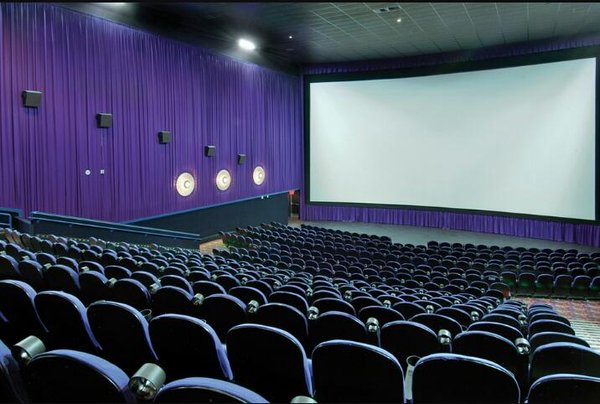
Cinemas and theatres can be surprisingly useful for events that depend on presentation, performance or shared viewing.
A private film screening is the obvious use, but the format can also suit premieres, documentary events, talks, comedy, presentations, product reveals, small award ceremonies and certain kinds of birthday experiences.
The advantage is that much of what you would normally have to create may already exist. There is seating, a screen, controlled lighting and an environment designed around an audience focusing on one thing at a time.
The trade-off is flexibility. Theatre-style seating is excellent when people need to watch something and less useful if the main purpose of the event is free-flowing networking. Catering and decoration options may also be limited compared with a hall.
If you are considering this type of venue, speak directly with the cinema or theatre about private bookings, technical requirements and what you are allowed to bring into the space. Do not design the whole event around assumptions about equipment access before the venue confirms what is available.
Pop-Up Spaces Work When the Event Is Meant to Feel Temporary
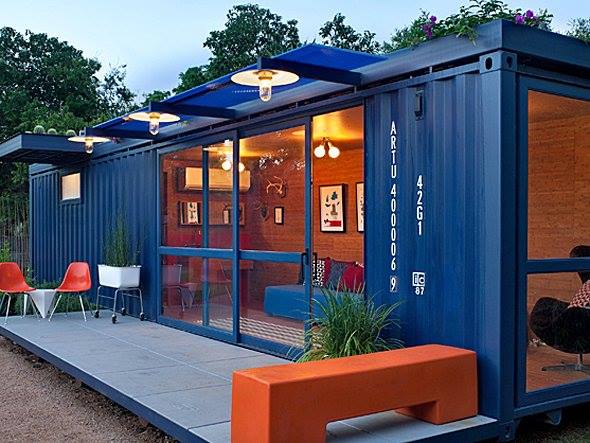
Converted containers, temporary installations and other pop-up spaces can make sense for events where the temporary nature is part of the attraction. Brand activations, product launches, creator meetups, small exhibitions and experiential marketing campaigns can benefit from a venue that feels deliberately different from the surrounding environment.
A shipping container can become a mini showroom, listening room, registration point or activation booth. Several temporary structures can be arranged around a larger outdoor experience. The point is not the container itself. The value comes from being able to create a compact branded environment in a location where a traditional event hall would not make sense.
These spaces require careful thinking about ventilation, heat, capacity and access. A structure designed for ten people should not suddenly have forty people squeezed inside because the activation became popular. Temporary does not mean safety and comfort become temporary too.
For brands, this type of venue can be particularly effective when the location and design connect directly to the campaign. The space becomes something people want to photograph and talk about rather than merely somewhere the brand placed a banner.
The Most Unusual Venue Is Not Automatically the Best One
It is easy to get excited by the idea of doing something nobody else is doing. But a creative venue should solve more problems than it creates.
Before committing to any unusual location, imagine the event from beginning to end. Think about the guest leaving home, arriving, finding the entrance, parking, using the facilities, moving through the event and getting home afterwards. Then think about your vendors. Can the caterer reach the space? Can the DJ or sound company set up properly? Is there enough power? Can the decorator work without damaging the property? If something goes wrong, can emergency assistance reach you?
This is why venue selection should happen alongside your wider planning rather than being treated as a purely aesthetic decision. Our guide on how to choose the right venue for an event covers the practical side of capacity, location and guest comfort in more detail.
If you choose an unconventional venue, security and access deserve particular attention too. Our event security planning guide can help you think through entrances, crowd movement, emergency routes and the responsibilities of your event team before guests arrive.
Let the Location Become Part of the Story
A unique venue works best when there is a reason the event belongs there.
A wellness morning in a garden makes sense because the surroundings reinforce the experience. An art launch inside a creative space feels connected to what people came to see. A sunset birthday beside the water already has a mood before the playlist begins. An industrial building can complement a fashion or music concept in a way that a decorated ballroom might never achieve.
That relationship between event and location is more valuable than choosing somewhere unusual simply so you can say the event was different.
Nigeria has beaches, gardens, rooftops, cultural spaces, theatres, private properties, industrial buildings and open land that can give organisers far more possibilities than the standard hotel ballroom. The creative opportunity is there, but so is the responsibility to make sure the space can actually support the experience you want to create.
Once the venue is confirmed, give your audience one reliable place to find the details. You can create your event on Shows.ng, publish the venue information and manage registrations or ticket sales from the event page.
A memorable venue does not have to look like an event hall. It just has to make sense for the event you are asking people to attend.