In this article
- Think About Safety Before You Leave Home
- Use the Official Event Information
- Know What Kind of Event You Are Attending
- Notice the Exits When You Arrive
- Do Not Block an Exit While Waiting for Friends
- Agree on a Meeting Point Before the Crowd Becomes Dense
- Keep Your Phone Charged, but Do Not Depend on It for Everything
- Wear Something You Can Move Safely In
- Hydration Matters More in Dense, Hot Crowds
- Alcohol Can Change Your Ability to Judge Risk
- Move Away Before a Space Becomes Uncomfortably Dense
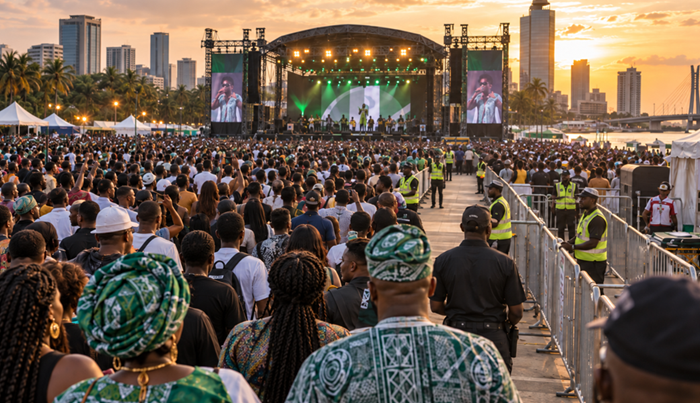
- Crowd Density Matters More Than the Number Printed on the Flyer
- Do Not Push Towards a Popular Area Just Because Everyone Else Is Moving There
- If a Crowd Becomes Compressed, Protect Your Ability to Breathe
- Work Towards the Edge When Crowd Movement Allows
- If You Fall, Protect Yourself and Get Back Up When You Can
- Do Not Climb Barriers, Scaffolding or Temporary Structures for a Better View
- Take Instructions From Event Staff Seriously
- Know Where to Find Help
- If an Evacuation Is Announced, Leave Your Belongings
- Do Not Assume the Way You Entered Is the Only Safe Way Out
- If There Is Smoke or Fire, Follow Emergency Instructions Immediately
- Do Not Run Simply Because Other People Start Running
- Give Children More Space Than You Think They Need
- People With Mobility or Accessibility Needs May Need More Planning
- Keep Your Valuables Secure Without Becoming Distracted by Them
- Be Careful When Using Your Phone in Moving Crowds
- Watch for Vehicles Around Outdoor Events
- Leaving Can Be One of the Busiest Parts of the Event
- Do Not Stop Immediately Outside the Exit
- Plan Your Pickup Point Away From the Densest Exit Where Possible
- Stay With Someone Who Suddenly Becomes Unwell
- Do Not Assume Strange Behaviour Is Always Intoxication
- Leave When Your Instincts Tell You the Situation Is Changing
- Safety Is Not About Being Afraid of Crowds
- Organisers Still Carry the Bigger Crowd-Safety Responsibility
- Enjoy the Crowd Without Ignoring What It Is Doing
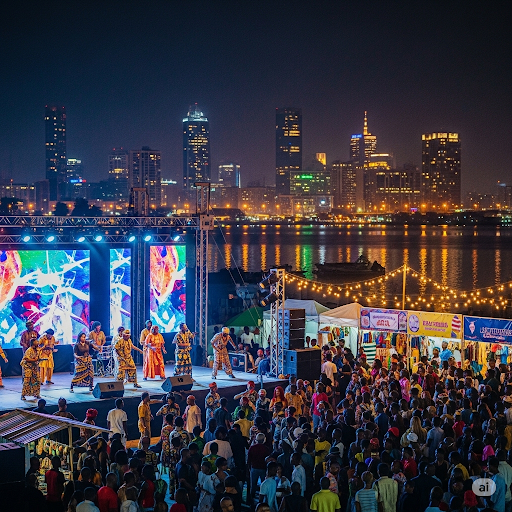
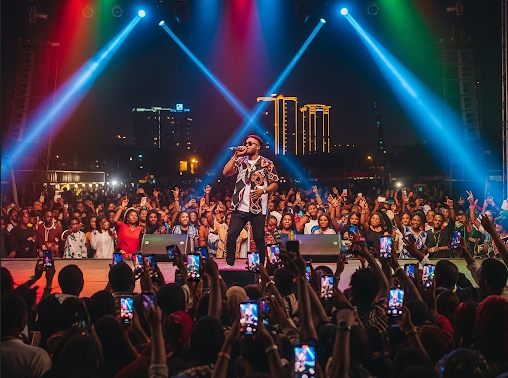
A packed concert can be exciting until you realise you can barely move.
A football match can feel completely normal until thousands of people try to leave through the same route. A festival can be comfortable in the afternoon and become much more difficult to navigate once the headline act begins and everybody moves towards the same area.
Large events are not automatically unsafe because they attract large crowds.
The bigger concern is what happens when too many people are concentrated in too little space, movement becomes restricted, exits or walkways become congested, weather creates additional pressure or attendees do not know where to go when conditions change.
Event organisers have the primary responsibility for planning safe capacity, entrances, exits, security, crowd movement and emergency procedures.
As an attendee, however, there are practical things you can do to reduce your own risk and make better decisions when an event becomes uncomfortable or unpredictable.
Think About Safety Before You Leave Home
Safety at a large event begins before you enter the crowd.
Know where you are going, how you intend to get there and how you expect to leave. Check the event's current venue and timing rather than relying only on an old flyer somebody forwarded days earlier.
If the organiser has published entry instructions, read them.
Large venues can have several gates, restricted roads, designated parking areas or different entrances for different ticket categories. Arriving without knowing which entrance you need can leave you wandering around the perimeter while thousands of other people are doing the same thing.
Think about your return journey too.
An event ending at 11pm creates a different transport situation from one ending at 5pm. Ride-hailing demand may increase sharply after a major concert. Public transport options may become limited later at night. Roads surrounding a stadium or festival ground may also be temporarily congested.
Do not wait until you are standing outside the venue after midnight to begin thinking about how you are getting home.
Use the Official Event Information
Popular events can produce a large amount of unofficial information.
Friends share screenshots. Fan pages post updates. Somebody says the gate has changed. Another person forwards a message claiming attendees should use a different entrance.
When information affects your safety or access, try to confirm it through the organiser, venue or other official event communication.
This is also important when buying tickets.
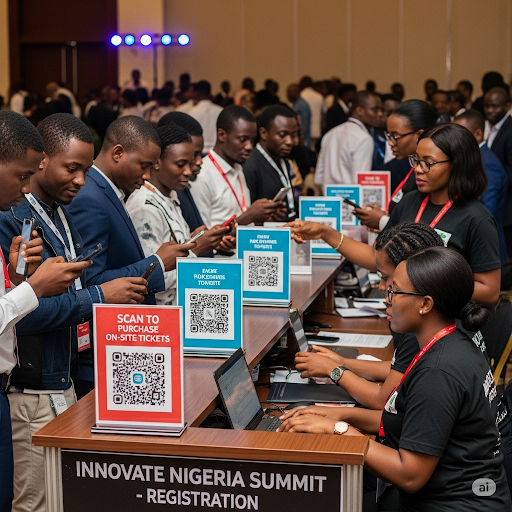
A fake ticket can become more than a financial problem if you only discover it while standing inside a dense queue at the gate. Use the official ticket source promoted by the organiser rather than relying on an unknown seller who claims to have access.
Our guide on buying event tickets safely and avoiding fake tickets goes deeper into the ticketing side of that problem.
Know What Kind of Event You Are Attending
A seated conference and a standing concert do not create the same crowd conditions.
At a seated event, movement may be concentrated around registration, breaks and the end of the programme. At a festival, large groups may move constantly between stages, food areas and attractions. At a standing concert, the most intense crowd pressure may occur close to the stage when a popular performer appears.
Your decisions should reflect the environment.
If you know that you dislike tightly packed spaces, there is no prize for forcing yourself into the densest part of a standing audience simply because it is closer to the stage.
A position farther away with more space can still give you a good experience while making movement much easier.
Notice the Exits When You Arrive
Once inside, take a moment to understand the venue.
Notice where you entered, but do not assume that is the only way out.
Look for clearly marked exits, emergency exits, security positions and medical or first-aid points where they are provided.
This does not mean spending the entire event expecting something to go wrong.
It means giving yourself basic orientation while conditions are calm.
If an emergency announcement is made later, you will be less dependent on blindly following whichever group of people happens to move first.
Do Not Block an Exit While Waiting for Friends
Entrances and exits naturally attract people.
Someone is waiting for a friend. Another person stops to make a phone call. A group decides that the gate is the easiest place to meet after becoming separated.
That behaviour can create congestion precisely where people need to keep moving.
If you need to wait for somebody, choose a meeting point away from the immediate entrance, exit, staircase or narrow passage.
This is particularly important when large numbers of people are arriving or leaving at the same time.
Agree on a Meeting Point Before the Crowd Becomes Dense
Groups become separated easily at large events.
Mobile networks may also become slower or unreliable when thousands of people are using them in the same area.
Agree on a meeting point before you need one.
Choose somewhere easy to identify and away from the busiest crowd movement, such as a clearly marked information point or another safe landmark inside or outside the venue.
Do not choose the main exit itself if thousands of people will eventually be using it.
If your group becomes separated and phone communication is difficult, everyone still knows where to reconnect.
Keep Your Phone Charged, but Do Not Depend on It for Everything
A charged phone is useful for tickets, transport, communication and emergency calls.
Starting the event with very little battery can create unnecessary problems later.
A suitable power bank may be useful for longer events where permitted.
At the same time, have some basic information without depending completely on your phone.
Know your transport plan. Remember your meeting point. If you are attending with a child or someone who may need additional assistance, make sure essential contact information is available in another appropriate form too.
Technology is useful until the battery dies, the device is lost or the network becomes congested.
Wear Something You Can Move Safely In
Your clothing should make sense for the event and the environment.
For a long outdoor festival or standing concert, comfortable footwear can become much more important than it seemed while dressing at home.
Avoid clothing, jewellery or accessories likely to catch easily on barriers or other people in very dense spaces.
Weather matters too.
Outdoor events in Nigeria can involve strong sun, heat, humidity or sudden rainfall depending on the location and season. Check the forecast where practical and prepare for the conditions you are reasonably likely to experience.
Hydration Matters More in Dense, Hot Crowds
Heat and prolonged standing can make people unwell.
Drink water appropriately, especially at long outdoor events or in hot environments. If the venue has rules about bringing liquids inside, find out what water or refreshment arrangements are available.
Do not wait until you feel severely unwell before leaving a dense area.
Dizziness, weakness, confusion or feeling as though you may faint are reasons to get somewhere safer and seek assistance.
If a friend becomes unwell, alert event staff or medical personnel rather than assuming they simply need to “tough it out” until the programme ends.
Alcohol Can Change Your Ability to Judge Risk
If alcohol is available, remember that intoxication can affect balance, reaction time and judgement.
That becomes particularly relevant in dense crowds, on stairs, around barriers or while travelling home afterwards.
You do not need to avoid enjoying yourself.
Know your own limits and remain capable of recognising what is happening around you.
If somebody in your group becomes heavily intoxicated or unusually confused, do not leave them alone in the crowd.
Move Away Before a Space Becomes Uncomfortably Dense
You do not need to wait for an emergency before deciding that an area feels too crowded.
Pay attention to what is happening around you.
If movement is becoming difficult, people are pressing tightly together, a narrow passage is filling rapidly or you no longer feel comfortable controlling your own direction, consider moving towards an area with more space while you still can.
Standing closer to the stage is rarely worth remaining somewhere that feels dangerously compressed.
This is especially important around obvious bottlenecks such as gates, stairs, barriers, narrow corridors and the entrances to popular attractions.
Crowd Density Matters More Than the Number Printed on the Flyer
A venue can contain thousands of people while still having plenty of usable space.
A much smaller number can become dangerous when everybody concentrates in one section.
This is why crowd conditions can change rapidly when a headline artist appears, rain drives people towards shelter or everybody tries to leave at the same time.
Pay attention to the space immediately around you rather than assuming everything is safe simply because the event has not reached its overall capacity.
Do Not Push Towards a Popular Area Just Because Everyone Else Is Moving There
Crowd movement can become contagious.
People see others rushing towards a stage, gate or attraction and begin moving in the same direction without knowing what caused the movement.
Do not automatically join.
If you cannot see why people are rushing, slow down and assess what is happening where it is safe to do so.
A sudden surge towards a performer, giveaway, exit or sheltered area can increase pressure very quickly.
Getting closer is not always worth entering a space that is already too dense.
If a Crowd Becomes Compressed, Protect Your Ability to Breathe
A serious crowd crush is different from an ordinary busy queue.
You may feel strong pressure from multiple directions and find that you can no longer move independently.
If that happens, focus on staying upright and protecting your chest.
Keep your hands and arms in front of your chest rather than pinned tightly at your sides. This can help preserve some space around your upper body.
Try to maintain firm footing and move with the general force of the crowd rather than attempting to fight directly against it.
Resisting a large moving crowd can make it easier to lose your balance.
Work Towards the Edge When Crowd Movement Allows
If you are caught within a dangerous surge, do not try to force your way directly against the entire crowd.
When movement eases enough for you to make progress, work gradually and diagonally towards an edge or less dense area.
Your immediate priority is getting to somewhere with more space while remaining on your feet.
Avoid sudden aggressive pushing, which can destabilise both you and the people around you.
If You Fall, Protect Yourself and Get Back Up When You Can
Falling in a dense moving crowd is dangerous because other people may have little ability to avoid you.
If you fall and cannot immediately stand, protect your head and body by curling into a compact position.
Try to get back onto your feet as soon as there is a safe opportunity.
If somebody near you falls and conditions allow you to help without causing yourself or others to fall, assist them.
Keeping people upright is important because one fall can cause others to stumble in a tightly packed crowd.
Do Not Climb Barriers, Scaffolding or Temporary Structures for a Better View
A disappointing view is better than an injury.
Temporary barriers, speaker towers, fences, lighting structures and other event equipment are not necessarily designed to carry spectators.
Climbing them creates a fall risk and can interfere with equipment or crowd-control systems.
If your position does not allow you to see comfortably, move somewhere else rather than creating a new hazard.
Take Instructions From Event Staff Seriously
If security or stewards tell an area to move, stop entering a section or use another route, there may be a crowd-management reason that is not obvious from where you are standing.
Do not assume every instruction is unnecessary simply because you cannot see the problem.
Large events may need to redirect people when a particular section has reached capacity or when movement is becoming too concentrated.
Likewise, do not argue over access to a restricted area while blocking the path other attendees need to use.
Know Where to Find Help
At large organised events, identify security personnel, stewards, medical staff or information points where available.
If you see someone collapse, notice a developing fight, smell smoke, see a damaged barrier or believe a crowd is becoming dangerously compressed, report it rather than assuming somebody else already has.
Event staff may have a much wider view of what is happening and can escalate the issue through the venue's emergency procedure.
For an urgent emergency in Nigeria, 112 is the national emergency number, although local emergency response arrangements and additional numbers can vary.
If you are inside an organised venue, alerting nearby event security or medical staff may also be one of the quickest ways to get the appropriate on-site response started.
If an Evacuation Is Announced, Leave Your Belongings
If staff direct attendees to evacuate, follow the official instructions and move towards the designated safe exit or route.
Do not delay the evacuation to retrieve a bag, find a better photograph or return to another part of the venue for something non-essential.
Keep moving without running blindly or pushing other people.
The objective is steady movement towards safety while allowing other people to move too.
Do Not Assume the Way You Entered Is the Only Safe Way Out
People tend to return towards familiar routes during an emergency.
That can overload the same entrance everybody remembers using earlier.
Follow official exit signage and instructions rather than automatically fighting your way back towards the gate where you entered.
This is one reason noticing available exits when you first arrive is useful.
If There Is Smoke or Fire, Follow Emergency Instructions Immediately
Do not wait around to determine whether a fire looks serious enough to matter.
If an alarm is raised, smoke is spreading or event staff order an evacuation, begin moving towards safety as directed.
Avoid moving towards the source of smoke simply because it is also the direction of your preferred exit.
If smoke affects the route, move away from it and follow the safest available exit instructions from staff or emergency personnel.
Do not return inside until the relevant authorities say it is safe.
Do Not Run Simply Because Other People Start Running
Sudden movement can create additional danger.
If people begin running and you do not know why, stay aware rather than immediately joining a blind rush.
If there is an actual emergency, follow official instructions and move purposefully towards safety.
If the movement is simply people rushing towards a performer or trying to beat everybody to an exit, becoming part of the surge may expose you to unnecessary risk.
Give Children More Space Than You Think They Need
Children are smaller, easier to lose sight of and more vulnerable in dense crowds.
Consider carefully whether the event and crowd environment are appropriate for the child's age in the first place.
If children attend, keep them close and make sure the adults responsible for them know where they are at all times.
Do not allow a child to become separated by several adults in a moving crowd.
For older children, agree beforehand on what they should do if separated and identify an appropriate meeting point or uniformed member of staff they can approach.
A child should also have a safe way for event staff to identify or contact their responsible adult if necessary without publicly displaying excessive personal information.
People With Mobility or Accessibility Needs May Need More Planning
Large crowds can create additional barriers for wheelchair users, people who cannot stand for long periods, people with sensory needs and others who require accessible routes or assistance.
Check available accessibility information before travelling rather than waiting until the crowd is already dense.
If the organiser provides an accessibility contact, use it to clarify entrances, seating, viewing areas or other arrangements that matter to you.
Do not assume an accessible entrance will necessarily be the same entrance everyone else is using.
Keep Your Valuables Secure Without Becoming Distracted by Them
Crowded environments can make theft easier because physical contact with strangers is normal.
Keep phones, wallets and bags appropriately secured rather than placing valuable items loosely in easily accessible pockets.
At the same time, possessions should never become more important than your physical safety.
If an emergency develops, do not push back into a dangerous area because your sunglasses, shoe or another replaceable item fell to the ground.
Be Careful When Using Your Phone in Moving Crowds
It is easy to become distracted while filming, messaging or trying to upload content.
If you are walking through a dense crowd, staircase, vehicle route or unfamiliar section of the venue, look at where you are going.
Stop somewhere safe if you need to concentrate on your phone.
A large event already contains enough movement without attendees walking blindly while watching a screen.
Watch for Vehicles Around Outdoor Events
Some large events use open grounds, roads, parking areas or temporary sites where pedestrians and vehicles may be close together.
Do not assume that every route filled with attendees has automatically been closed to vehicles.
Use designated pedestrian routes where provided and pay attention when crossing access roads, loading areas or car parks.
This matters especially while leaving, when large groups of pedestrians and drivers may be trying to depart at the same time.
Leaving Can Be One of the Busiest Parts of the Event
People naturally concentrate on getting inside safely and pay less attention to what happens afterwards.
The end of a concert or match can create one of the largest movements of the entire event because thousands of people begin leaving within minutes of one another.
You do not always have to join the first rush towards the gate.
If organisers permit it and the environment remains safe, allowing the first wave to clear can sometimes make departure more comfortable.
At other events, staff may specifically need attendees to leave promptly.
Follow the venue's instructions and remain aware of changing conditions around exits, staircases, transport areas and roads.
Do Not Stop Immediately Outside the Exit
Once you leave the venue, continue moving until you reach an area where you are no longer obstructing people behind you.
This is not the ideal place to reorganise your group, request a ride, discuss where to eat or take photographs.
Move away from the main exit first.
Then regroup at the meeting point you agreed earlier.
Plan Your Pickup Point Away From the Densest Exit Where Possible
After a major event, hundreds of people may request rides from the exact same entrance.
Vehicles stopping unpredictably can mix with pedestrians and create further congestion.
If the venue or organiser publishes designated pickup areas, use them.
Otherwise, consider an appropriate safe meeting point a short distance away where local conditions allow, rather than standing in the middle of the busiest gate trying to identify one particular car among hundreds.
Do not walk alone into an unfamiliar or poorly lit area simply to escape the congestion. Convenience should not replace personal security.
Stay With Someone Who Suddenly Becomes Unwell
If a friend becomes dizzy, confused, unusually weak, collapses or develops another serious health problem, do not leave them alone while you search for the rest of your group.
Get them to an appropriate medical or safer area where possible and alert event staff.
If they need urgent medical help, seek it.
Large crowds, heat, dehydration and existing medical conditions can all contribute to health problems during mass gatherings.
Do Not Assume Strange Behaviour Is Always Intoxication
Someone who is confused, unsteady, unable to communicate clearly or suddenly very unwell may have a medical problem.
They may also have consumed alcohol or another substance, intentionally or otherwise.
If the change is sudden or concerning, treat it seriously and seek assistance rather than laughing it off or leaving the person by themselves.
If someone believes their drink may have been interfered with or they become unexpectedly unwell, help them reach medical assistance and a safe person or location.
Leave When Your Instincts Tell You the Situation Is Changing
You do not need official permission to move away from an area that feels unsafe.
If arguments are escalating nearby, crowd density is increasing rapidly, barriers appear unstable or something about the environment is making you uncomfortable, create distance where you safely can.
The best response to a dangerous crowd situation is often avoiding becoming trapped inside it in the first place.
Moving earlier may mean losing a good viewing position.
That is a reasonable trade.
Safety Is Not About Being Afraid of Crowds
Large events can be energetic, enjoyable and memorable.
The aim of thinking about safety is not to spend the entire experience expecting a disaster.
It is to recognise that crowds behave differently from individuals.
Thousands of perfectly reasonable people can still create dangerous pressure when they all move towards the same place at the same time. A narrow gate can become crowded without anyone deliberately causing trouble. Rain can send an audience towards shelter. The end of a popular performance can produce a sudden rush towards transport.
Awareness gives you more opportunity to respond before those situations become severe.
Organisers Still Carry the Bigger Crowd-Safety Responsibility
An attendee can stay alert, choose less crowded areas and follow instructions, but good personal behaviour cannot compensate for an event that has exceeded safe capacity or failed to provide suitable exits.
Organisers need to think about crowd density, bottlenecks, barriers, staffing, emergency routes, medical response, communication and safe movement before guests arrive.
If you organise events yourself, the Shows.ng guide on building an event security plan covers those responsibilities from the organiser's perspective, while the guide on managing queues and crowd flow deals specifically with moving attendees safely through entrances, queues and busy areas.
Enjoy the Crowd Without Ignoring What It Is Doing
You do not need to memorise dozens of emergency procedures before attending a concert, festival, match or large programme.
A few habits make a meaningful difference.
Know where you are going and how you will get home. Notice the exits and medical or security points when you arrive. Keep your group connected without blocking busy routes. Stay hydrated and recognise when heat or crowd density is becoming uncomfortable.
If a crowd becomes dangerously compressed, prioritise staying upright and maintaining space around your chest. Move with the crowd rather than fighting directly against it, and work towards a less dense edge when movement allows. If you fall and cannot immediately stand, protect yourself until you can get back up.
During an emergency, follow instructions from event staff and emergency responders rather than relying on rumours spreading through the crowd.
And if a particular part of the venue begins to feel unsafe, there is nothing wrong with giving up the perfect viewing position and moving somewhere with more space.
The best place in a crowded event is not always the place closest to the action. It is somewhere you can enjoy what is happening while still being able to move, breathe and respond if conditions change.