In this article
- Start With the Brand That Makes Sense, Not the Biggest Brand You Know
- Before You Pitch, Know Who Will Be in the Room
- Your Pitch Should Answer the Sponsor's Question Before They Ask It
- Stop Thinking of Sponsorship Packages as Three Different Logo Sizes
- Do Not Promise Visibility You Cannot Control
- Once the Sponsor Says Yes, Someone Has to Own the Relationship
- Brand Visibility Should Feel Like Part of the Event
- Take Evidence While the Value Is Being Delivered
- The Post-Event Report Is Part of the Sponsorship
- The Best Time to Talk About the Next Event May Be Before You Need Money Again
- Sponsors Come Back When the Value Is Clear
Getting a sponsor can change what is possible for an event. The extra funding may help you secure a better venue, improve production, bring in stronger talent or reach a much larger audience. A sponsor may also contribute products, media support, equipment or services that would otherwise have come out of your event budget.
But sponsorship is not free money.
A company agreeing to support your concert, conference, festival, exhibition or community event is making a business decision. They are giving you money, products, services or access because they believe the partnership can help them reach people they care about. Your job is not simply to convince them that your event is exciting. You need to show why being involved makes sense for their brand, then deliver what you promised once they say yes.
That second part is where many organisers lose future opportunities. They spend weeks chasing the sponsorship deal, celebrate when the money arrives and then treat the sponsor's logo like the entire obligation. If you want sponsors to work with you again, the relationship has to continue beyond the signed agreement.
Start With the Brand That Makes Sense, Not the Biggest Brand You Know
When organisers begin searching for sponsors in Nigeria, it is tempting to start with the most recognisable companies. A proposal goes to major banks, telecommunications companies, beverage brands and every household name somebody can find an email address for.
The problem is that size does not automatically make a company the right sponsor.
A better question is whether your audience overlaps with the people that brand wants to reach. A beauty company may be interested in a bridal fair because the audience is naturally relevant to its products. A financial technology company may see value in a conference for young professionals or entrepreneurs. A food or beverage company may find a strong fit with a festival where thousands of attendees can actually taste, buy or interact with the product.
That connection gives you something much stronger to say than, "We are requesting your company to sponsor our upcoming event."
You can explain who is attending, why those people matter to the brand and what the company will be able to do with that access.
This also means you should not ignore smaller businesses. A growing local business that directly serves your audience may have far more reason to support your event than a multinational company receiving hundreds of sponsorship requests every month. The partnership may begin with a smaller amount of money, products or services, but if both sides get genuine value from it, that relationship can grow with the event.
Before You Pitch, Know Who Will Be in the Room
Brands are not really sponsoring your stage, backdrop or venue. They are interested in the people your event brings together.
That makes audience knowledge one of the strongest things you can bring into a sponsorship conversation.
If you say your event is for "young people in Nigeria," the sponsor still knows very little. A much clearer picture would explain that the event attracts university students in Lagos interested in fashion and entertainment, or early-career technology professionals in Abuja looking for networking and career opportunities.
You do not need to pretend you possess research you do not have. If this is a new event, be transparent about what you are projecting and explain how you reached that conclusion. If you have held previous editions, use real information from those events. Attendance, ticket sales, social engagement, audience feedback, photographs and previous campaign performance can all help establish that the audience you are promising actually exists.
A smaller event with a clearly defined audience can sometimes be more valuable to a sponsor than a much larger event where almost nobody matches the brand's customer.
This is also why you should understand your audience before deciding which sponsors to approach. When the audience comes first, potential partners become easier to identify.
Your Pitch Should Answer the Sponsor's Question Before They Ask It
Every sponsorship conversation eventually reaches the same question: What does the brand get?
Your event may have an important mission. The idea may be original. You may have spent months planning it. Those things can make the story more compelling, but the sponsor still needs to understand the business value of participating.
That value will not be identical for every company.
One sponsor may mainly want visibility. Another may want people to sample a new product. Another may care about collecting qualified leads. A company with a corporate social responsibility objective may be more interested in the community impact of the programme. A brand launching something new may want content and direct interaction with your audience.
This is why simply offering "logo on flyer, logo on banner and social media mention" to every company can feel weak. Those are useful deliverables, but they are not a strategy on their own.
Imagine a beverage brand supporting a large outdoor festival. Giving the company a visible activation area where attendees can experience the product may be far more valuable than making its logo slightly larger on the backdrop. For a technology company sponsoring a business conference, a branded session or useful demonstration may create a stronger connection with attendees than several MC shout-outs throughout the day.
Start by understanding what the sponsor wants to achieve, then design the partnership around that objective.
If you are specifically working on the proposal document itself, our guide on how to write an event sponsorship proposal for brands goes deeper into the information your proposal should contain.
Stop Thinking of Sponsorship Packages as Three Different Logo Sizes
Gold, Silver and Bronze packages can be useful because they give a sponsor an immediate way to compare different levels of involvement. The problem begins when the only meaningful difference between them is how large the logo appears and how many times the MC says the company name.
A stronger sponsorship offer changes the experience the brand receives.
A major sponsor may receive deeper integration into the event, greater visibility before and after the date, a prominent activation opportunity or association with a major part of the programme. A smaller partner may choose a focused opportunity that costs less but directly matches its objective.
You can also create partnerships around specific parts of the event instead of forcing every company into the same package. A brand may sponsor a networking lounge, refreshment area, competition, panel, after-party, registration experience or content series. When the association feels natural, attendees are more likely to understand why the brand is involved.
Cash is not the only useful form of support either. If a media company provides advertising, a logistics company provides transport, a beverage business supplies drinks or a production company provides equipment, that contribution can remove a real cost from your budget.
The important part is knowing what the contribution is worth and what you are giving in return. A barter arrangement should be treated with the same clarity as cash sponsorship. If the expectations are vague at the beginning, disagreements become much easier later.
Do Not Promise Visibility You Cannot Control
The excitement of trying to secure a sponsor can make organisers promise everything.
Huge attendance figures are projected. Millions of online impressions appear in the proposal. Media coverage is described as guaranteed even though no media agreement exists yet. The sponsor is promised prominent branding across every promotional asset without anyone checking whether other partners have been given the same promise.
That may help get attention in the short term, but it creates a difficult event to deliver.
Use real numbers where you have them and clearly identify projections where you do not. If your previous event attracted 800 people, that is stronger than inventing an expected crowd of 5,000 simply because the larger figure looks impressive in the deck.
The same applies to digital reach. There is a difference between your combined follower count, the number of people who actually viewed campaign content and the number who engaged with it. Sponsors increasingly understand those differences, so impressive-looking numbers will not help if they collapse under basic questions.
Underpromising does not mean making the event sound small. It means building the pitch around evidence you can defend.
Credibility is especially important when you want a long-term relationship. A sponsor that receives exactly what was agreed, plus a few thoughtful extras, is much more likely to remember the experience positively than one that was promised the entire internet and received three Instagram posts.
Once the Sponsor Says Yes, Someone Has to Own the Relationship
Securing the agreement should change the way your event team works.
Someone needs to be responsible for making sure the sponsor receives what was promised. That person should understand the agreement, know the important deadlines and remain available to the sponsor's representatives before and during the event.
This sounds simple until event week arrives.
The sponsor sends updated artwork but the decorator still has the old logo. Their activation team arrives and nobody knows where the allocated space is. A representative expects a speaking opportunity that the stage manager never heard about. Social media posts that were supposed to run before the event are still sitting inside somebody's WhatsApp chat waiting for approval.
These problems usually come from poor coordination rather than bad intentions.
Turn the sponsorship agreement into an actual delivery plan. Know when artwork is needed, where branding will appear, who approves content, what access the sponsor receives, what time its team can enter the venue and who makes decisions when something changes.
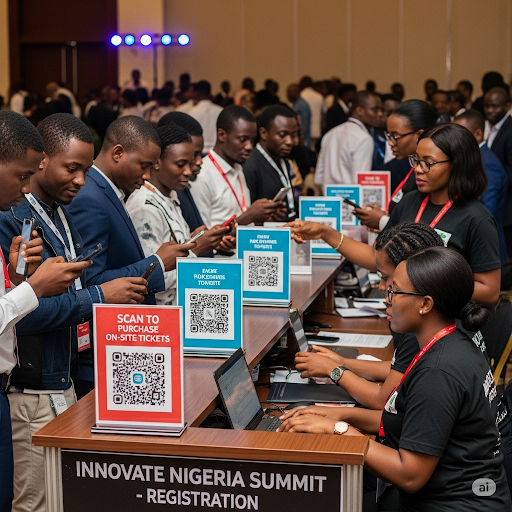
You should also brief the event team properly. The MC should know the correct sponsor names and pronunciation. Registration staff should know whether sponsor representatives have special access. Security should know what activation teams are permitted to bring into the venue. The photographer should know which branded moments need to be captured.
A sponsor should not arrive at an event they helped fund and feel like a surprise guest.
Brand Visibility Should Feel Like Part of the Event
There is a point where sponsorship branding becomes so aggressive that attendees begin ignoring it.
If every available surface carries fifteen logos, every announcement starts with sponsor names and every experience has been interrupted to deliver another promotional message, the brand may technically be visible without creating much positive attention.
Good sponsorship integration feels more natural.
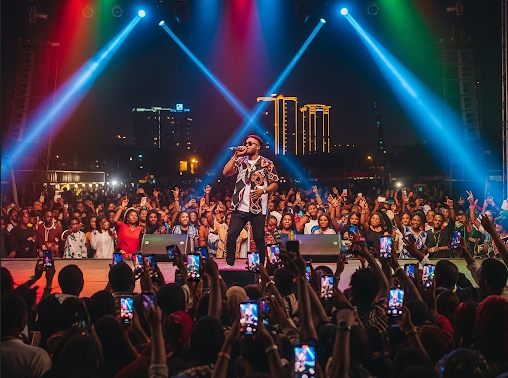
A useful charging station sponsored by a technology brand gives attendees something they actually appreciate. A beverage partner providing cold drinks at an outdoor event becomes part of the experience. A financial company supporting a useful entrepreneurship session has a logical connection to the content.
That kind of association often gives the sponsor something better to talk about afterwards too. Instead of posting another photograph of its logo on a backdrop, the brand can show what it helped create.
This does not mean traditional branding should disappear. Stage screens, banners, social media posts, event pages and MC acknowledgements still have value. They simply work better when they support a partnership that already makes sense.
Where appropriate, sponsors can also help amplify the event themselves. Shows.ng currently allows an event to be advertised from its event page even by sponsors, partners or collaborators, giving partners another route to support promotion when that forms part of the agreement.
Take Evidence While the Value Is Being Delivered
Do not wait until the event is over to start wondering how you will prove that the sponsor appeared.
If a brand has an activation area, photograph it while attendees are using it. If a sponsored session happens, make sure the photographer or video team captures the branding and audience. If a sponsor's product is being distributed, document the experience properly. Save the relevant social media performance and ticket or registration information you will need for reporting.
This is partly about the sponsor, but it also helps you.
The material becomes evidence for your next sponsorship conversation. Instead of telling another company that brands receive good visibility at your events, you can show what a previous partnership actually looked like.
It also protects you when expectations become unclear afterwards. If the agreement included social media posts, keep a record of them. If it included venue branding, photograph the completed setup. If there was an activation, record what happened rather than relying on everyone's memory a month later.
The more organised you are about documenting delivery, the easier the post-event conversation becomes.
The Post-Event Report Is Part of the Sponsorship
A surprisingly common sponsorship relationship ends almost immediately after the event.
The organiser is exhausted, vendors still need to be paid and attention has already moved to the next project. The sponsor gets a thank-you message and maybe a few photographs, then everybody disappears until another sponsorship request arrives six months later.
A proper post-event report gives the relationship a much stronger ending.
Show what happened. Include the actual attendance or registration figure, relevant digital campaign results, photographs of the sponsor's presence, useful engagement information and anything connected to the objectives agreed at the beginning. If the sponsor ran an activation, explain how it was executed. If there were challenges, do not hide everything behind marketing language. A clear explanation and what you learned can build more trust than pretending the event was flawless.
The report does not have to become a fifty-page presentation. It needs to answer the sponsor's main question after the event: What did our involvement achieve?
Send it while the event is still fresh. Then arrange a conversation if the partnership was significant enough to justify one. Ask what worked from the sponsor's perspective and what they would want changed next time.
That feedback can be incredibly valuable because the organiser and sponsor may have experienced the same event very differently.
The Best Time to Talk About the Next Event May Be Before You Need Money Again
Long-term sponsorship is built between events as much as during them.
Stay in contact without turning every message into another request. Share useful updates when the event community grows. Send the sponsor relevant photographs or content after the event. Acknowledge the people you worked with and keep the relationship warm enough that the next conversation does not begin with, "Good afternoon sir, long time."
This matters because returning sponsors already understand the event. They know how your team works, what the audience looks like and whether you keep your promises. The next negotiation begins with far less uncertainty than the first one.
A good first partnership can also grow. A small product contribution may become a cash sponsorship at the next edition. A supporting sponsor may become a headline partner. A company that initially wanted visibility may discover that your event provides access to a community it wants to engage more deeply.
None of that happens automatically because the event was successful. It happens when the organiser treats sponsorship as a relationship rather than a fundraising emergency.
Sponsors Come Back When the Value Is Clear
The strongest sponsorship pitch is not necessarily the most beautifully designed deck or the request sent to the biggest company. It is the one where the connection makes sense.
Your audience should make sense for the brand. The benefits should support something the sponsor actually wants to achieve. The amount you request should match the opportunity you are offering, and your team should be capable of delivering what appears in the proposal.
Then, after the agreement is signed, do the less glamorous work properly. Confirm assets. Coordinate the activation. Brief your team. Capture evidence. Report the outcome and continue the relationship when you no longer need anything immediately.
If you are still preparing to approach brands, start with our guide to writing an attractive event sponsorship proposal. If you are a newer organiser worried that you are not yet a major name, you can also read how smaller event organisers can approach sponsorship.
You can also publish your event on Shows.ng so potential attendees, partners and collaborators have a clear event page they can visit when evaluating what you are building.
Getting a sponsor is one successful conversation. Keeping a sponsor is proof that you delivered what the conversation promised.