In this article
- The First Experience Begins Before the Guest Reaches the Venue
- Do Not Assume People Know What Your Event Name Means
- Explain Ticket Categories in Normal Language
- Tell People What Their Ticket Does and Does Not Include
- Arrival Information Can Remove a Surprising Amount of Stress
- Send Important Instructions to Registered Attendees Before Event Day
- A Reminder Should Help Someone Attend, Not Merely Remind Them That the Event Exists
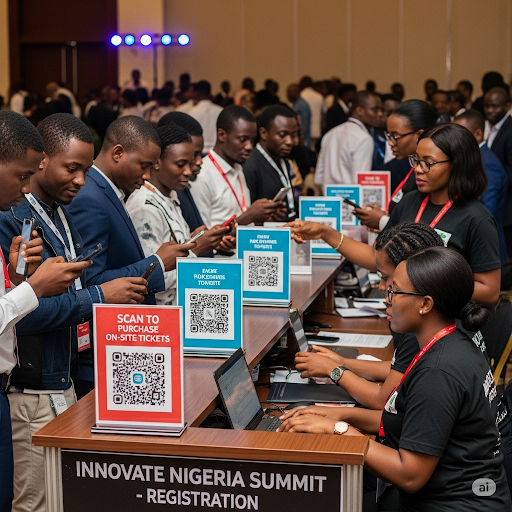
- The Entrance Creates the First Physical Impression
- Digital Ticket Verification Can Make the First Entry Simpler
- The Scanner Cannot Fix a Poorly Designed Gate
- Train Staff to Help Without Making People Feel Foolish
- Signage Is for People Who Do Not Already Know the Venue
- Explain the Programme Without Assuming Everyone Has Been Following Your Campaign for Weeks
- Insider Language Can Make a Community Feel Closed
- Networking Events Need a Plan for People Who Arrive Alone
- Regular Attendees Should Feel Recognised Without Owning the Event
- Starting Close to the Advertised Time Builds Confidence
- Do Not Let the Programme Assume Everyone Knows Where to Look
- Accessibility Information Should Not Require a Private Investigation
- Food and Refreshments Need Clear Expectations
- Dress Codes Need Enough Explanation to Be Useful
- Do Not Make New Guests Work Harder Than Regulars to Understand Seating
- The Venue Should Be Comfortable for Someone Who Does Not Know the Shortcuts
- Safety Procedures Should Be Clear Without Making the Event Feel Hostile
- Do Not Promise a Premium Experience and Deliver Ordinary Confusion
- Give People a Clear Route for Getting Help
- Listen Carefully to Questions New Attendees Keep Asking
- Ask New Attendees About the Experience While They Still Remember It
- Do Not Turn the First Follow-Up Into Another Sales Pitch
- A First-Time Guest Notices the Gap Between Marketing and Reality
- The Best Welcome Is an Event That Explains Itself
A regular attendee arrives with an advantage.
They may already know which entrance you normally use, how formal the event really is, whether the programme tends to begin immediately, where people usually sit and what sort of atmosphere to expect. They may recognise members of your team and already have friends inside.
A first-time attendee has none of that context.
They are judging the event almost entirely from what you communicated before they arrived and what happens during their first few minutes at the venue. Small pieces of confusion that regular guests have learned to work around can therefore feel much bigger to somebody experiencing the event for the first time.
That makes first-time attendees especially useful to think about when designing the guest experience. They notice assumptions your organising team may no longer realise it is making.
The goal is not to give newcomers special treatment all evening. It is to make the event understandable enough that someone can arrive without already knowing how everything works.
The First Experience Begins Before the Guest Reaches the Venue
A first-time attendee starts forming an opinion long before check-in.
They see the flyer, open the event page, consider the ticket price and decide whether they understand what they are being invited to attend. If important information is missing, they have to fill in the gaps themselves or contact the organiser.
Make the basics easy to find.
The event name, date, useful timing information, venue and ticket details should be clear. If there is an important age restriction, dress expectation, access rule or unusual part of the experience, communicate it before somebody pays or travels.
This does not mean putting every operational detail on the promotional artwork. The flyer can remain visually simple while the event page carries the fuller information somebody needs before making a decision.
A first-time guest has less background knowledge to help them interpret vague communication, so clarity matters more than cleverness.
Do Not Assume People Know What Your Event Name Means
Recurring event brands often become obvious to the people already inside their community.
Everyone who attended the last three editions knows what happens at The Gathering, Sunday Sessions or Tech Night. Someone discovering the name for the first time may know almost nothing.
Explain the experience.
Is it a seated conference, networking evening, outdoor festival, formal dinner, workshop or standing concert? Is the programme mainly educational or social? Is somebody buying access to a full day or a ninety-minute session?
A first-time attendee should not need to search through twenty Instagram posts just to understand what kind of event they are considering.
Explain Ticket Categories in Normal Language
Regular, Premium, Gold, Executive, VIP and VVIP can sound impressive while telling a new buyer almost nothing.
If different ticket categories exist, explain what actually changes.
Perhaps VIP includes a particular seating area. Maybe Premium includes refreshments or another part of the programme. If two categories provide essentially the same experience, reconsider whether both need to exist.
This matters especially for first-time buyers because they do not have experience from a previous edition to tell them what your labels normally mean.
If somebody pays significantly more for a premium ticket and only discovers after arrival what they bought, the organiser has created unnecessary uncertainty before the event has properly begun.
Tell People What Their Ticket Does and Does Not Include
An attendee may reasonably assume that an admission ticket to a food event includes tastings, that conference registration includes lunch or that a premium concert ticket includes a reserved seat.
Those assumptions may be wrong.
Clarify the offer.
If food is purchased separately, say so. If seating is first come, first served, communicate that where it matters. If a workshop requires attendees to bring a laptop or another item, do not wait until they arrive to mention it.
The clearer the promise is before purchase, the easier it becomes to deliver an experience that feels fair afterwards.
Arrival Information Can Remove a Surprising Amount of Stress
Finding an unfamiliar venue can be one of the least enjoyable parts of attending an event for the first time.
The venue name alone may not be enough, particularly where a property has several entrances, a large compound or an event space located inside another building.
Give guests useful arrival information where needed.
If there is a particular gate, entrance or floor, explain it. If parking is limited or located somewhere specific, communicate that rather than allowing hundreds of people to discover the problem independently.
For events where most guests will use ride-hailing services, make sure the location information you share actually leads people to the correct place.
A first-time attendee who spends thirty minutes circling the venue begins the event frustrated before your team has even spoken to them.
Send Important Instructions to Registered Attendees Before Event Day
Not every important detail belongs in a public promotional post.
Once people have registered, there may be information that is specifically useful to attendees: which entrance to use, when doors open, what they should have ready at check-in or whether an operational detail has changed.
Shows.ng currently allows organisers to send an email directly to attendees attached to a specific event. From the organiser dashboard, the organiser can open the attendee list, choose Send Message to Attendees, enter a subject and message, and send that communication by email.
The Shows.ng attendee messaging guide explains the process.
Use that communication to reduce uncertainty rather than repeat the same promotional copy somebody already saw before purchasing.
A Reminder Should Help Someone Attend, Not Merely Remind Them That the Event Exists
A message saying “Tomorrow is the big day!” creates excitement, but it may not answer the questions a first-time attendee is thinking about.
A useful reminder can confirm when the venue opens, where guests should enter and what they should have ready.
If the programme has changed materially since tickets were sold, tell attendees. If there is an important restriction or instruction, make it visible.
The organiser should think about what someone who has never attended before would need to know in order to arrive confidently.
Regular guests may already know the routine. New guests should not be expected to learn it by watching everyone else.
The Entrance Creates the First Physical Impression
For many attendees, the first person representing your event is not the organiser, headline speaker or performer.
It is whoever is standing at the gate.
That may be security, an usher or somebody checking tickets.
A disorganised entrance immediately creates doubt. Guests do not know whether they are in the correct queue, whether their ticket will work or how long entry is supposed to take.
Design the gate so that straightforward attendees can move through without needing personal intervention from the organiser.
If somebody has already purchased a valid digital ticket, their entry should not depend on finding their name inside a WhatsApp chat or showing a bank-transfer screenshot to three different people.
Digital Ticket Verification Can Make the First Entry Simpler
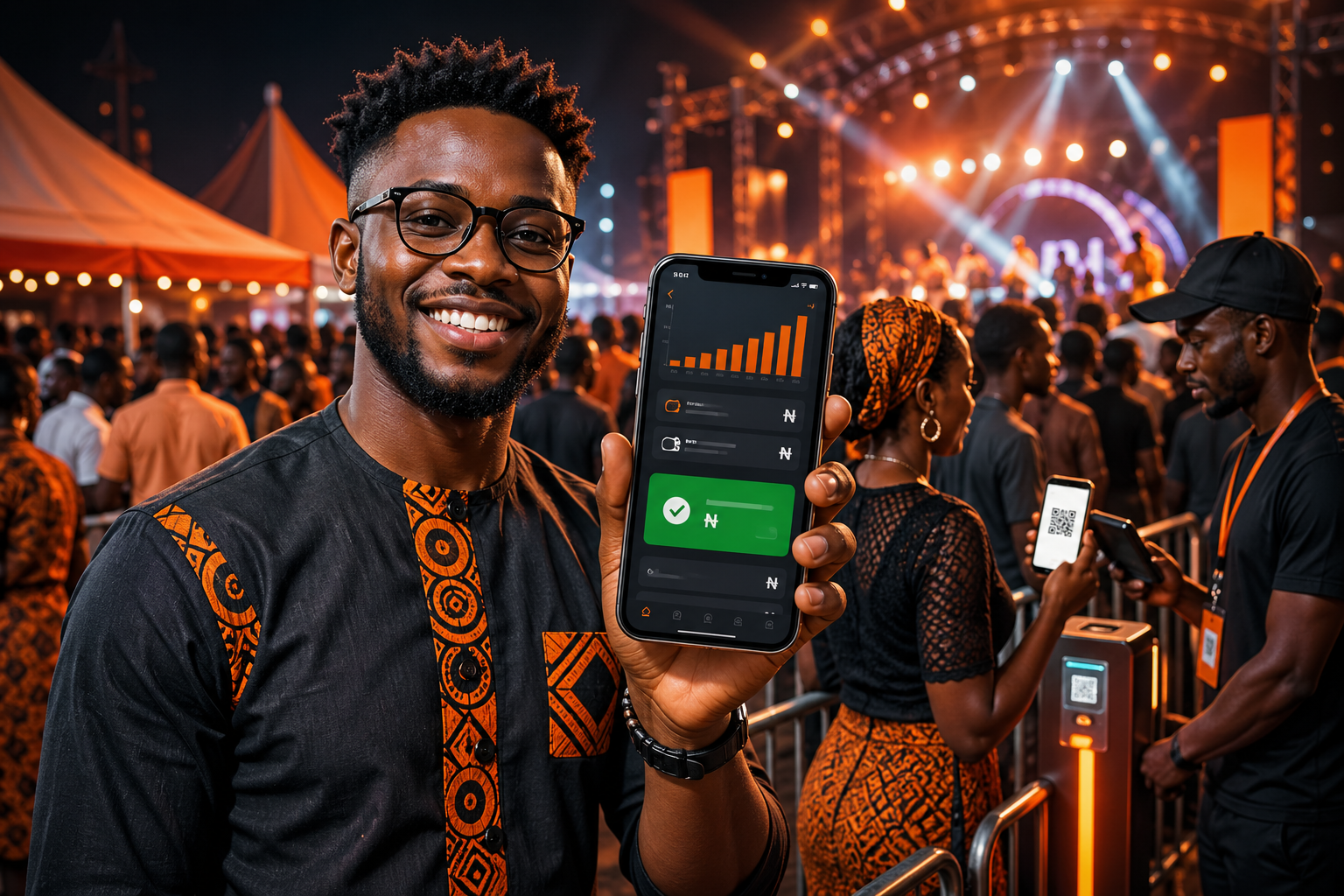
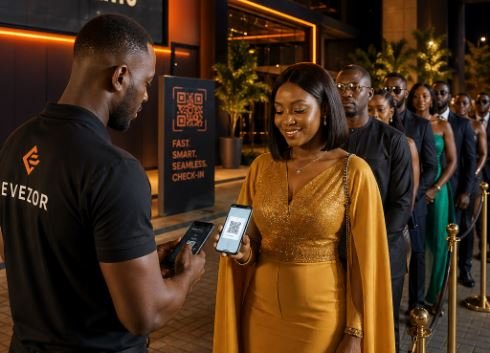
Shows.ng currently provides the Shows Ticket Scanner for events using Shows.ng tickets.
The documented process is straightforward: the attendee presents the ticket, the event team scans the barcode or code on it, and the scanner displays the ticket information when it is valid.
The Shows.ng ticket scanner guide explains that process.
For the first-time attendee, the value is not the technology itself.
The value is knowing what to do.
They bought a ticket, they have a ticket to present and the person at the entrance has a defined process for checking it.
That is much less intimidating than arriving at an unfamiliar event and hearing, “Go and find the person who invited you.”
The Scanner Cannot Fix a Poorly Designed Gate
Fast ticket verification will not help much if one staff member is trying to process a thousand arrivals through a narrow doorway.
Think about the expected arrival pattern and provide enough entry capacity for it.
Keep unusual ticket problems away from the main flow where possible so that one guest who needs additional support does not stop dozens of people whose tickets are ready.
Make signage visible before attendees reach the front of the queue.
A first-time guest should ideally understand where to go before they have to ask.
Train Staff to Help Without Making People Feel Foolish
New attendees will ask questions regular guests may consider obvious.
Where is registration? Is this the VIP entrance? Where are the toilets? Has the programme started? Which room is the workshop in?
Your team should be able to answer those questions without treating the guest as though they failed a test.
Brief ushers and front-of-house staff before doors open. Give them enough information about the venue, programme and guest routes to provide useful directions.
The tone matters too.
A technically correct answer delivered impatiently can still make somebody feel unwelcome.
Signage Is for People Who Do Not Already Know the Venue
Organisers sometimes judge signage while standing inside a space they have visited ten times during planning.
Of course the route looks obvious to them.
Walk it as though you have never been there.
Can someone identify registration from the entrance? Can they find the toilets without interrupting a staff member? If there are several halls, is it clear which programme is happening where?
At a large festival or conference, directional signage can reduce hundreds of small questions across the day.
Do not use tiny decorative signs that look beautiful in photographs but cannot be read from the point where the decision has to be made.
Explain the Programme Without Assuming Everyone Has Been Following Your Campaign for Weeks
The organising team may have posted every speaker announcement and programme update individually across the previous month.
A first-time attendee may have bought the ticket yesterday.
Give people a clear understanding of what is happening now.
That might mean a visible agenda, printed programme, screen display, MC announcement or another format appropriate to the event.
The guest should not need to reconstruct the schedule from old social media posts.
This becomes especially important at conferences, festivals and multi-room events where attendees have choices to make throughout the day.
Insider Language Can Make a Community Feel Closed
Recurring communities naturally develop shorthand, traditions and references.
That can make regular attendees feel connected.
It can also make newcomers feel as though they have entered halfway through a conversation.
You do not need to remove everything familiar from the event.
Give enough context that a new person can follow.
If a conference uses specialised terminology, explain it when the audience may reasonably include beginners. If the MC refers to a recurring event tradition, a short explanation can include newcomers without annoying regular guests.
A strong community can have history without making new people feel that they arrived too late to belong.
Networking Events Need a Plan for People Who Arrive Alone
“Networking opportunity” sounds much easier on a flyer than it feels while standing alone inside a room where everybody else appears to know somebody.
If networking is one of the reasons you sold the event, design some support around it.
That does not require forced games or making adults introduce themselves in uncomfortable ways.
You might have a structured networking period, clearly identified hosts, facilitated introductions or discussion prompts connected to the subject of the event.
The exact approach depends on the audience.
The goal is giving someone who arrived alone a route into the room rather than assuming useful connections will automatically appear.
Regular Attendees Should Feel Recognised Without Owning the Event
Recurring events naturally develop a core audience.
That is valuable. Familiar faces help create atmosphere and community.
Problems begin when the event starts behaving like a private reunion that happens to sell public tickets.
New attendees should not receive worse service because the team is busy greeting regulars personally. Important information should not circulate only through established friendship groups.
A healthy event can make returning guests feel valued while still leaving room for someone attending for the first time to imagine becoming part of that community.
Starting Close to the Advertised Time Builds Confidence
A first-time attendee does not yet know how literally to interpret your event times.
If the ticket says doors open at 4pm and the venue is still being set up at 5pm, they learn something about how your organisation communicates.
Events can encounter real delays, but planned lateness should not be disguised as an advertised start time.
Build a realistic schedule and communicate it accurately.
If a meaningful delay does happen, tell people what they need to know rather than leaving newcomers wondering whether they misunderstood the event entirely.
The Shows.ng guide on what to do when an event runs behind schedule looks specifically at recovering the programme after timing has already slipped.
Do Not Let the Programme Assume Everyone Knows Where to Look
Good sound and visibility are basic parts of the event experience.
A first-time guest may not know that one side of the hall has terrible sightlines or that regulars normally avoid a particular seating area.
They should not need that insider knowledge.
Test sound from different parts of the room. Consider whether screens or stage positioning actually work for the audience you expect. Think about pillars, lighting, crowd movement and seating density before the event begins.
When a guest pays for access to a programme, being able to see and hear that programme should not feel like a premium extra.
Accessibility Information Should Not Require a Private Investigation
A newcomer with an accessibility requirement may have even more questions before deciding whether to attend.
They may need to know whether a venue has step-free access, what seating arrangements are available or who to contact about a particular requirement.
Do not make people arrive before discovering whether the space can work for them.
Where relevant, communicate useful accessibility information in advance and give attendees an appropriate route for asking questions the public event description cannot answer.
Our guide on planning accessible and inclusive events in Nigeria looks more closely at designing the wider experience around those needs.
Food and Refreshments Need Clear Expectations
Food creates surprisingly common misunderstandings.
If the ticket includes refreshments, guests should know. If food will be available for purchase, that is different. If there is no food service and the programme lasts six hours, attendees may want to plan accordingly.
This is especially relevant for first-time guests because regular attendees may already know how your event normally works.
A simple piece of information before arrival can prevent a small issue from becoming a large source of irritation halfway through the programme.
Dress Codes Need Enough Explanation to Be Useful
“Dress to impress” can mean almost anything.
If the event genuinely requires formal wear, cultural attire, safety equipment or another specific form of dress, be clear.
If the wording is simply part of the event's personality and there is no strict enforcement, do not make people unnecessarily anxious about whether they will be turned away.
First-time attendees often take published instructions more literally because they do not yet know how your organisers interpret them.
Communicate accordingly.
Do Not Make New Guests Work Harder Than Regulars to Understand Seating
Seating can create anxiety when nobody explains how it works.
Is the room general admission? Are seats reserved? Does the ticket correspond to a section? Can people leave and return to the same seat?
If seating rules matter, communicate them.
For events using reserved seating, make sure the physical venue reflects whatever the attendee selected or was assigned. If the event uses open seating, staff should be able to direct people rather than allowing newcomers to discover too late that all the suitable seats were informally “saved” by established groups.
The Venue Should Be Comfortable for Someone Who Does Not Know the Shortcuts
Regular attendees learn things.
They know where the quieter toilet is, which side entrance leads to parking and where to stand if they want a better view.
A first-time guest judges the experience they encounter without those shortcuts.
This is useful feedback for organisers.
If the event only works comfortably once someone learns a collection of unwritten survival tips, there may be an experience problem worth fixing.
Safety Procedures Should Be Clear Without Making the Event Feel Hostile
Bag checks, identification checks and other security measures may be necessary depending on the event.
The way they are handled affects the welcome.
Tell guests about unusual requirements before they arrive where practical. Train security to apply the process consistently and respectfully.
A first-time attendee should not discover an unexpected restriction only after waiting in a long queue.
Good security and good hospitality are not opposites. The safest entrance can still be organised, calm and professional.
Do Not Promise a Premium Experience and Deliver Ordinary Confusion
First-time attendees have no previous edition against which to judge your marketing.
If you describe the event as premium, exclusive, intimate or world-class, they build expectations from those words.
Make sure the actual experience supports them.
Premium does not require extravagant decoration everywhere. It may simply mean that the ticket benefits are clear, the venue works, staff are prepared, timing is respected and the audience feels looked after.
Overpromising increases the distance between expectation and reality.
Give People a Clear Route for Getting Help
Something will confuse somebody.
The question is whether they know whom to ask.
At larger events, consider an identifiable help or information point. At smaller programmes, make sure ushers can either answer common questions or direct guests to someone who can.
A new attendee should not need to ask four different workers before finding someone who understands the event.
Listen Carefully to Questions New Attendees Keep Asking
Repeated questions are feedback.
If dozens of people ask where the toilets are, signage may be weak. If guests repeatedly ask whether food is included, the ticket description may be unclear. If people cannot determine which entrance to use, arrival communication needs improvement.
Do not respond only by answering each individual question.
Ask why so many people needed to ask it.
A first-time attendee is particularly useful here because they expose information the organising team may have assumed everyone knew.
Ask New Attendees About the Experience While They Still Remember It
After the event, feedback can show you whether the newcomer experience matched what your team intended.
You do not need a survey containing fifty questions.
Ask about areas you can realistically improve. Entry, communication, venue navigation, programme clarity and overall value may be more informative than a generic request to rate everything.
If people registered through Shows.ng, the attendee messaging feature gives organisers a direct way to email the people attached to that event with a thank-you or feedback link.
The Shows.ng guide on collecting and using event feedback explains how to look for patterns rather than allowing one loud opinion to dictate the next edition.
Do Not Turn the First Follow-Up Into Another Sales Pitch
A first-time guest has only just finished deciding whether the first ticket was worth it.
Allow the relationship to breathe.
A thank-you message can simply thank them. If official photographs or useful resources are ready, share them where appropriate. If you want feedback, ask for it clearly.
You do not need to immediately send three discount codes and tell them they are now part of the “family”.
The deeper question of converting a positive first experience into repeat attendance belongs to a different stage of the relationship. Our guide on turning first-time attendees into loyal guests covers that retention process in more detail.
A First-Time Guest Notices the Gap Between Marketing and Reality
This may be the most important point.
Before attending, everything somebody knows about your event comes from what you said about it.
After attending, they can compare those promises with reality.
If the “fast entry” took an hour, they notice. If a premium ticket offered benefits that never appeared, they notice. If the programme was advertised for one time and routinely began much later without explanation, they notice.
The newcomer has not yet learned to lower their expectations around your habits.
That makes their perspective valuable.
Instead of asking how to make first-time attendees more forgiving, ask what their fresh perspective is revealing about the event.
The Best Welcome Is an Event That Explains Itself
A first-time attendee should not need a friend who attended last year in order to understand how your event works.
Communicate the experience clearly before purchase. Tell registered attendees what they need before travelling. Make the entrance easy to understand, train staff to answer questions and use signage for people who have never seen the venue before.
During the programme, avoid assuming everyone understands the community's history or terminology. Make networking, seating and movement understandable without removing the personality that regular attendees already enjoy.
Then listen to the questions newcomers ask because those questions can expose friction your team has stopped noticing.
Shows.ng can support specific parts of that journey without replacing the organiser's hospitality. The Shows Ticket Scanner gives ticketed events a defined verification process at entry, while attendee messaging gives organisers a direct email route for useful pre-event instructions and thoughtful follow-up.
When your next event is ready, you can create your event on Shows.ng and make the first interaction with your event as clear as the experience you want people to have when they arrive.
A first-time attendee does not need to feel like an insider immediately. They need an event that makes it easy to understand where they are, what happens next and why coming back could be worth it.