In this article
- The MC Is the Audience-Facing Voice of the Programme
- A Good MC Understands the Purpose of the Event
- The MC Sets the Tone, but They Do Not Need to Be the Loudest Person in the Room
- The MC Helps the Programme Feel Connected
- The MC Needs the Run Sheet, Not Just the Public Programme
- The MC Should Know What Is Next Before the Audience Does
- The MC Is Not the Event Manager
- A Strong MC Protects Time
- The Organiser Must Give the MC Permission to Protect the Schedule
- A Good MC Can Help an Event Recover From a Delay
- The MC Should Know What They Are Allowed to Say When Something Goes Wrong
- Humour Should Serve the Room, Not Put Guests on Edge
- Cultural Awareness Is More Important Than Performing Stereotypes
- Pronouncing Names Correctly Is Part of the Job
- The MC Should Understand Sponsor Obligations Without Turning the Programme Into an Advertisement
- The MC and DJ Need to Work Together
- The MC Also Needs a Relationship With Production
- The MC Should Not Be Expected to Fill Every Silent Second
- Different Events Need Different MCs
- Watch Real Work Before Hiring Where Possible
- Discuss Fees and Scope Before the Booking Is Confirmed
- Put the Important MC Agreement in Writing
- Shows Booking Can Be Useful When You Still Need to Find an MC
- Brief the MC Properly Before Event Day
- Tell the MC What Not to Do
- Rehearse the Moments That Need Precision
- Give the MC a Clear Communication Channel During the Event
- Do Not Give the MC Responsibility Without Information
- A Strong MC Helps Guests Understand the Event Without Becoming the Event
- Review the MC's Performance After the Event
- The Right MC Makes the Programme Easier to Experience
An event MC does much more than hold a microphone and make people laugh.
They are often the person translating everything happening behind the scenes into an experience the audience can understand.
The planner knows the programme has changed. Production knows the next microphone needs to be moved. The keynote speaker is waiting backstage. Catering needs another ten minutes. The photographer wants to know when the award presentation begins.
The audience should not have to understand any of that.
They need somebody who can tell them what is happening now, guide them towards what happens next and keep the programme feeling intentional even when the team is making adjustments behind the scenes.
That is one of the most important roles of the Master of Ceremonies.
A good MC cannot rescue a badly planned event indefinitely, but the right person can make a well-planned event feel considerably smoother, warmer and easier to follow.
The MC Is the Audience-Facing Voice of the Programme
Most of the people running an event are largely invisible to attendees.
The stage manager may be controlling cues. The planner is solving problems. The production team is handling sound, lighting and presentations. Vendors are preparing their next responsibilities.
The MC stands between that operation and the audience.
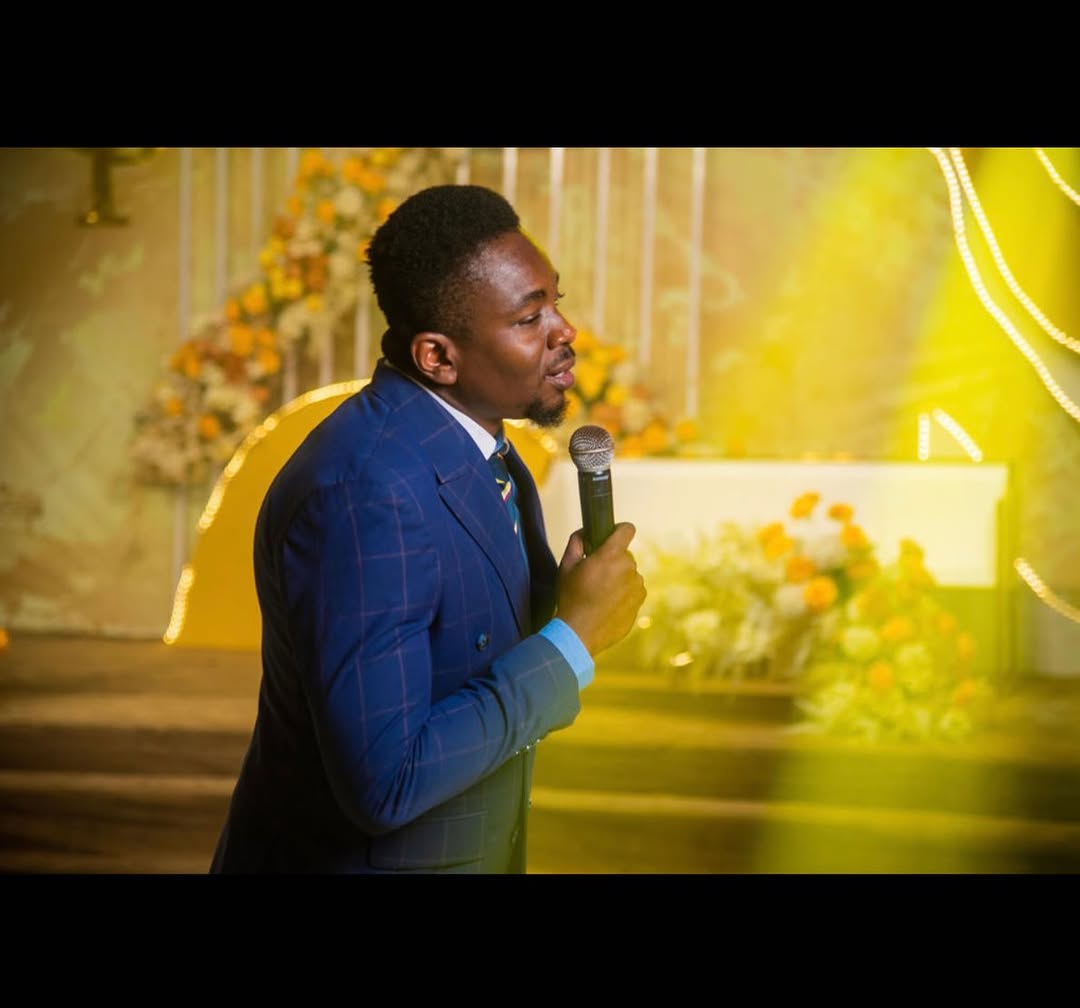
They introduce speakers and performers, explain important transitions, provide context, make announcements and help guests understand where the programme currently is.
This is why the MC needs more than charisma.
They need enough knowledge of the event to speak confidently without constantly turning around to ask somebody what happens next.
A Good MC Understands the Purpose of the Event
A wedding reception, business conference, awards ceremony, comedy show and church programme should not all sound the same.
The host needs to understand why people are gathered.
At a conference, the MC may need to connect sessions and explain why each conversation matters. At a wedding, they may need to guide emotional and social moments without turning every transition into a comedy routine. At an awards ceremony, they need accuracy, pace and enough formality to make recognition feel important.
A good MC adapts their personality to the event rather than forcing the event to adapt to their personality.
This should be one of the first things an organiser evaluates when choosing someone.
The MC Sets the Tone, but They Do Not Need to Be the Loudest Person in the Room
Energy matters.
That does not always mean shouting, constant jokes or demanding that the audience respond every thirty seconds.
The right tone depends on the room.
A high-energy music event may benefit from a host who can build excitement quickly. A corporate dinner may need someone warm and confident without turning every segment into audience participation. A memorial event requires a completely different sensitivity.
Stage presence is partly knowing when to create energy and partly knowing when to get out of the way.
An MC who constantly competes with the programme can become as disruptive as an MC who brings no energy at all.
The MC Helps the Programme Feel Connected
Without good transitions, an event can feel like separate activities happening one after another.
A speaker finishes.
Silence.
Somebody walks across the stage looking for the next person.
The DJ plays something unexpectedly. A microphone is moved. Eventually another speaker appears.
Those moments make the organisation visible for the wrong reasons.
An MC helps connect one part of the programme to another.
They can close the previous segment, prepare the audience for what is coming next and give the production team a reasonable transition window without making the room feel abandoned.
When done well, those transitions barely attract attention.
That is often the point.
The MC Needs the Run Sheet, Not Just the Public Programme
A public programme may say:
6:00pm: Opening remarks.
6:20pm: Panel discussion.
7:00pm: Entertainment.
That is not enough information for the person responsible for moving the event between those moments.
The MC should understand the working run sheet.
They may need to know who introduces a speaker, whether a video plays before the next segment, which microphone is being used, where the performer is waiting and whether the programme coordinator has confirmed that the next person is ready.
Our guide on creating an event run sheet explains how timing, activities, responsibilities and cues can be brought into one working document.
The MC does not necessarily need every logistical detail on that document, but they need the parts that affect what the audience will see and hear.
The MC Should Know What Is Next Before the Audience Does
A good host is usually thinking ahead.
While one speaker is talking, the MC should already know whether the next speaker is ready.
Before announcing a performance, they should have confirmation that the performer and production team can actually begin.
Before promising that food service starts in five minutes, they should know whether catering agrees.
This is where communication between the MC and whoever controls the programme becomes essential.
The MC should not discover changes at the same moment as the guests.
The MC Is Not the Event Manager
This distinction prevents many problems.
The MC controls communication with the audience.
They should not automatically become the person deciding the entire event.
If a speaker is late, somebody with operational authority should decide whether the programme order changes. If a sponsor suddenly requests another fifteen minutes on stage, the organiser or programme lead should approve or reject that change.
The MC then communicates and executes the agreed adjustment.
Allowing an MC to rewrite the programme independently can create problems for production, catering, security, photographers, speakers and other vendors whose work depends on the schedule.
The best MC works closely with the event controller rather than replacing them.
A Strong MC Protects Time
One of the MC's most valuable jobs is protecting the programme from unnecessary overruns.
Speakers do not always stop when their allocated time ends.
A wedding speech expected to last five minutes becomes twenty. A panel moderator keeps adding questions. An award recipient begins another speech after the audience thought the segment was finished.
The MC needs a polite way to keep the event moving.
That may involve setting expectations before somebody speaks, giving visible timing cues, thanking the person firmly once their section has ended or coordinating with the stage manager to transition naturally.
This requires judgement.
The aim is not embarrassing guests publicly because they used another thirty seconds.
It is preventing repeated overruns from quietly destroying everything scheduled later.
The Organiser Must Give the MC Permission to Protect the Schedule
An MC cannot enforce timing effectively if the organiser repeatedly undermines them.
If the host is told to keep speeches to five minutes but the organiser allows every important guest to speak indefinitely, the MC has no real authority.
Agree beforehand how strict timing needs to be.
Identify the programme items with hard limits and the ones where some flexibility is acceptable.
If certain people require particularly sensitive handling, discuss that too.
The MC should not have to discover these political realities while standing on stage.
A Good MC Can Help an Event Recover From a Delay
Events change.
A speaker is not ready. A technical issue takes longer than expected. Food service needs another few minutes.
The MC can help bridge a short gap.
They might give the audience useful information, conduct an appropriate interaction, move a flexible programme element forward or maintain the room's attention while the team prepares the next segment.
But this should not become an excuse for poor planning.
An MC cannot sustainably entertain an audience through a ninety-minute operational failure simply because the organiser failed to prepare.
They also should not be told to invent endless games so guests do not realise there is a serious delay.
If the change materially affects the audience, accurate communication may be more professional than distraction.
Our guide on recovering when an event runs behind schedule deals with that wider decision-making process.
The MC Should Know What They Are Allowed to Say When Something Goes Wrong
Improvisation is useful until the host improvises information that is not true.
If a technical problem delays the programme, the MC should not promise that it will be fixed “in exactly five minutes” unless somebody responsible has actually confirmed that.
If a performer is delayed, the host should not publicly blame the performer or invent an explanation.
If an emergency affects the venue, the MC needs to follow the event's agreed communication process rather than create their own safety instructions.
Brief the MC on who provides official updates and how much operational detail the audience needs.
A confident voice is useful only when the information coming through it is accurate.
Humour Should Serve the Room, Not Put Guests on Edge
Many excellent MCs are funny.
That does not mean an MC must turn every event into comedy.
Humour needs judgement.
Jokes about someone's body, relationship status, ethnicity, religion, disability, accent or personal life can quickly make a guest uncomfortable, especially when they never agreed to become part of the entertainment.
The same applies to repeatedly forcing reluctant people onto the dance floor or into audience participation.
The best hosts read the room.
They know how to make people laugh without requiring somebody else to become the target.
Cultural Awareness Is More Important Than Performing Stereotypes
Nigerian events can bring together people from different ethnic, religious, professional and generational backgrounds.
An MC may need to understand particular traditions, pronunciations, forms of address or ceremonial expectations.
That is useful cultural competence.
It should not become a collection of lazy stereotypes about how particular groups behave.
If an event contains cultural rites the MC does not understand well, brief them properly or involve the appropriate person who does.
An MC should not improvise cultural explanations simply because they have a microphone.
Pronouncing Names Correctly Is Part of the Job
Names matter.
At conferences and awards events especially, the MC may be introducing people whose professional reputation is part of why they were invited.
Give the MC a speaker list early enough to check pronunciation.
If somebody has a title, organisation or role that needs to be mentioned, confirm the current information rather than relying on an old biography copied from the internet.
The same applies to wedding parties, sponsors, performers and dignitaries.
A polished introduction starts before event day.
The MC Should Understand Sponsor Obligations Without Turning the Programme Into an Advertisement
Sponsors may need acknowledgements, stage mentions or specific programme moments.
The MC should know what has actually been agreed.
This prevents two extremes.
At one extreme, the host forgets an important sponsor obligation. At the other, every transition becomes another advertising speech that frustrates the audience.
Write important sponsor acknowledgements into the run sheet where appropriate.
Give the MC exact names and pronunciations.
Do not assume they will remember every sponsor arrangement from a WhatsApp message sent three weeks earlier.
The MC and DJ Need to Work Together
At many social and entertainment events, the relationship between the MC and DJ affects the rhythm of the entire programme.
The MC should not repeatedly ask for random music while production is preparing something else.
The DJ should not begin a track that makes the MC think a segment has changed when it has not.
Agree on important cues.
If a particular song introduces the couple, performer or award segment, both people need to know it.
If the MC needs a short music bed under an announcement or a clear stop after a transition, those expectations can be discussed beforehand.
The smoother the communication between them, the less the audience sees people negotiating live on stage.
The MC Also Needs a Relationship With Production
Microphones, presentations, videos, lighting cues and stage changes all affect what the MC can do.
If a video is supposed to play, the host should not introduce it until production has confirmed that it is ready.
If one microphone has failed, they need to know which one to use.
At more complex events, this communication may happen through a stage manager or show caller rather than directly between the MC and every technician.
The exact structure can change.
The principle does not: the person speaking to the audience needs a reliable route to the people controlling what happens on stage.
The MC Should Not Be Expected to Fill Every Silent Second
Silence is not automatically a production failure.
An audience can sometimes have a moment to absorb what just happened.
At formal or emotional events, constant commentary can actually reduce impact.
A good host understands pacing.
They know when to speak, when to allow applause, when music should take over and when the programme should simply move forward.
An insecure MC may fill every available second because silence feels uncomfortable to them personally.
A confident MC knows the event is not about hearing their voice continuously.
Different Events Need Different MCs
There is no universally best host.
An excellent wedding MC may not be the right moderator for a technical conference.
A brilliant nightlife host may not suit a formal awards dinner.
A comedian may be very entertaining but still not have the discipline required to control a tightly timed corporate programme.
Start with the event.
What audience is attending? How formal is the programme? How much audience interaction is appropriate? Does the MC need specialist knowledge? Are there cultural requirements? Will they moderate panels as well as introduce speakers?
Choose based on the job rather than simply selecting the person with the largest social following.
Watch Real Work Before Hiring Where Possible
A short promotional video shows an MC's best moments.
It may not show how they manage difficult transitions, quieter audiences or formal programme sections.
Where practical, look at longer examples of their work or ask for relevant footage from events similar to yours.
If you are planning a conference, seeing how the person handles a conference is more useful than watching only clips from weddings.
References can also help for important events.
Ask previous organisers about preparation, punctuality, professionalism and how the MC responded when the programme changed.
Discuss Fees and Scope Before the Booking Is Confirmed
An MC quote should make sense in relation to what you are actually asking them to do.
How long are they expected to be at the venue?
Does the role include rehearsal? Are they moderating panels? Are there multiple sessions across the day? Do they need to travel? Is another host sharing the programme?
Clarify what the fee covers and what happens if the event extends significantly beyond the agreed time.
A four-hour hosting engagement and a twelve-hour conference day are not necessarily the same job.
Put the Important MC Agreement in Writing
Record the event date, location, expected hours, fee, payment terms and major responsibilities.
If the MC has agreed to attend a rehearsal or briefing, include it.
If the organiser expects specific content restrictions, sponsor requirements or moderation duties, those expectations should not exist only inside a phone conversation.
The objective is not creating unnecessary paperwork.
It is avoiding two people arriving on event day with completely different ideas about what was agreed.
Shows Booking Can Be Useful When You Still Need to Find an MC
Shows.ng currently has a separate talent-booking service that accepts requests for MCs as well as comedians, DJs and other performers.
Through Shows Booking, organisers can submit information about the event, budget and talent they need, after which the booking service handles the request and availability process.
That can be useful when the organiser knows what kind of MC the event requires but does not already have a suitable person confirmed.
The platform should not replace your brief.
Even after finding the MC, you still need to explain the audience, programme, tone and operational expectations clearly.
Brief the MC Properly Before Event Day
Do not send the final programme ten minutes before doors open and expect excellent hosting.
A useful MC brief should help the person understand the event's purpose, audience, tone, important people, programme structure and any areas requiring particular sensitivity.
Walk through the key moments.
Which introductions matter most? Are there sponsor acknowledgements? Is there a strict closing time? Which people have difficult names to pronounce? Are there surprise elements the MC needs to know without revealing?
The more complex the programme, the more valuable a proper briefing becomes.
Tell the MC What Not to Do
Boundaries are part of a good brief.
Perhaps the client does not want jokes about relationships or money at a wedding. A corporate event may prohibit political humour. A family programme may have cultural or religious expectations around certain moments.
Discuss those boundaries beforehand.
Do not wait until the MC has already made the joke to explain that the joke was inappropriate.
A professional host should appreciate knowing the limits of the room they are being asked to manage.
Rehearse the Moments That Need Precision
Not every event requires a full rehearsal with the MC.
Some moments deserve one.
An important entrance, award sequence, product reveal, complex speaker handover or performance transition can benefit from being walked through beforehand.
The rehearsal does not need the full audience energy.
It needs to answer operational questions.
Where does the MC stand? When does the music start? Who gives the cue? Where is the next speaker waiting? Does the microphone reach the correct part of the stage?
A five-minute rehearsal can prevent a very visible mistake later.
Give the MC a Clear Communication Channel During the Event
The host needs to know how changes will reach them.
At a small event, the planner may speak to the MC directly between segments.
At a larger production, a stage manager, show caller or another designated person may provide updates.
Avoid having several people approach the MC with competing instructions.
If one family member says move the cake cutting earlier, the sponsor says extend the presentation and the planner says keep the original order, the MC cannot satisfy everybody.
One operational source of truth protects the programme.
Do Not Give the MC Responsibility Without Information
Organisers sometimes blame the host for a messy programme when the host was never properly briefed.
If the MC does not know that a performer is missing, they cannot plan the transition.
If the organiser never provided speaker biographies, introductions will be weaker.
If the programme changes backstage and nobody tells the host, they may announce the wrong thing.
Evaluate the MC fairly.
They are responsible for how they perform the role.
The organiser is responsible for giving them the information and structure needed to perform it.
A Strong MC Helps Guests Understand the Event Without Becoming the Event
The best hosting often feels effortless from the audience.
Guests know what is happening. Speakers are introduced properly. Transitions do not become awkward. The programme moves with purpose. When a small delay occurs, the room remains comfortable.
That is very different from an MC who tries to become the main attraction regardless of what the event is actually about.
The host's personality should add something.
It should not compete with the reason everybody came.
Review the MC's Performance After the Event
Do not evaluate only whether the MC was funny.
Ask broader questions.
Did they understand the programme? Were introductions accurate? Did they protect timing? How did they communicate changes? Did they work well with production and the DJ? Did their tone fit the audience?
If the event is recurring, these observations become useful when deciding whether to rebook them.
A host who understands your event better with every edition can become a valuable part of the event identity.
But familiarity should not prevent honest evaluation if the audience or event format changes.
The Right MC Makes the Programme Easier to Experience
An MC matters because the audience needs someone who can turn the programme into a coherent live experience.
The right person understands the purpose of the event, knows how to read the room, protects the schedule and communicates clearly without needing to dominate every moment.
They work from the run sheet rather than improvising the entire programme. They coordinate with the organiser, production team and DJ. They know when humour helps, when accuracy matters more and when the event needs them to stop talking and allow the next moment to happen.
Choosing that person requires more than finding someone with a microphone and confidence.
Look for relevant experience, judgement, preparation, communication and the ability to fit the tone of the event you are actually organising.
If you still need to source an MC, Shows Booking currently accepts booking requests for MCs and other event talent. And when the wider event is ready, you can create your event on Shows.ng while your run sheet, production team and MC handle the live programme.
A great MC does not make guests notice how hard the event is to run. They make the programme feel as though everyone involved already knows exactly what should happen next.