In this article
- An Event Can Run Smoothly and Still Be Forgettable
- The Experience Begins Before Guests Reach the Venue
- Participation Changes How People Remember an Event
- The Venue Can Do Some of the Experience Design for You
- Personalisation Works Best When It Feels Personal
- Good Experiences Use More Than What People Can See
- Social Media Changed What Happens Inside the Venue
- Brands Have Started Thinking Beyond Putting Logos Everywhere
- Experience Does Not Have to Mean Expensive Technology
- Do Not Add So Many Experiences That People Become Exhausted
- The Best Experience May Be Something Guests Barely Notice
- Ask What You Want People to Remember a Week Later
- Experience-Driven Events Are Really About Paying Better Attention
There was a time when organising a successful event could be reduced to getting the basics right. Find a venue, arrange the programme, bring in the entertainment, serve food and make sure people know where and when to show up.
Those things still matter, but audiences increasingly expect something more from the events they choose to attend. People want to feel involved rather than simply present. They want moments they can remember, conversations worth having afterwards and experiences that feel different from what they could have had at home or at another event the previous weekend.
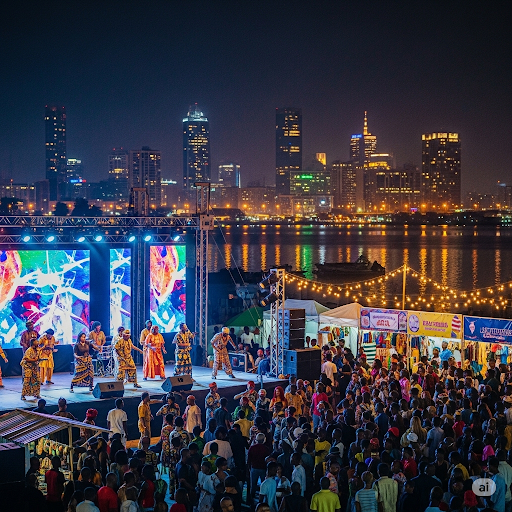
This shift is one reason experience-driven events have become such an important part of event planning in Nigeria. From weddings and concerts to conferences, brand activations, food festivals, creative gatherings and intimate social events, organisers are paying more attention to how guests actually experience the event from arrival to departure.
The interesting part is that creating a memorable experience does not necessarily mean spending more money. It means thinking more deliberately about what people should feel, see, do and remember while they are there.
An Event Can Run Smoothly and Still Be Forgettable
Good logistics are essential, but logistics alone do not create emotional connection.
You can have a conference that starts on time, serves lunch exactly when promised and finishes without one technical problem, yet attendees may struggle to remember anything about it a month later. Another conference may have a simpler setup but give people meaningful conversations, an unexpected activity or a speaker session that changes how they think about something. That second experience tends to stay with people longer.
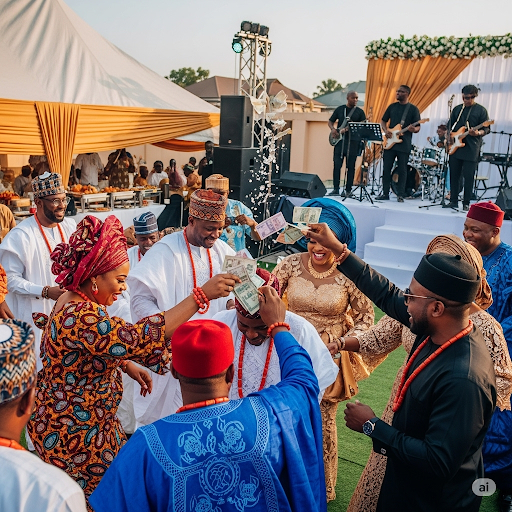
The same applies to social events. Guests may appreciate beautiful decoration at a birthday, but what they remember could be the music that had everybody on the dance floor, a funny moment during the programme or the fact that the host somehow made two hundred people feel involved in the celebration.
Experience-driven planning starts by recognising that the event is not simply a schedule of activities. It is a sequence of moments that create an overall impression.
The registration process contributes to that impression. So does the entrance, music, lighting, staff behaviour, food, programme pacing, seating, temperature and the ease of finding the venue. A spectacular five-minute performance cannot completely rescue three hours of frustration around it.
The Experience Begins Before Guests Reach the Venue
People often start forming opinions about an event long before event day.
The first flyer may create an expectation. The event description shapes what they think they are buying. The ticket page affects how trustworthy the event feels. A slow response to a simple question can create doubt, while clear communication can make the organiser appear prepared before anybody has met the team.
This means experience design should include the journey before attendance.
If somebody buys a ticket, what happens next? Do they receive enough information about the venue and timing? If there is a dress code, do they understand it? If parking is complicated, have you explained what to expect? If attendees need to bring something, when are they told?
These may sound like small administrative details, but they reduce uncertainty. Guests arrive more relaxed when they understand what is happening.
The same principle applies when people are still deciding whether to attend. Your marketing should help them picture the experience rather than only display the date, venue and ticket price. Show them why the gathering is worth leaving home for.
Participation Changes How People Remember an Event
One major difference between a conventional event and an experience-driven one is that attendees are not treated only as an audience.
They are given opportunities to participate.
At a conference, that might mean meaningful audience questions, workshops or conversations where people can apply what they have heard. At a food festival, guests may be able to taste, vote, learn or interact with chefs rather than simply buy meals. A concert can build moments where the crowd becomes part of the performance. A creative gathering might include live art, collaborative activities or something attendees help produce during the event.
The participation does not need to become another compulsory activity everybody secretly wants to escape from.
It should suit the event.
A premium dinner may need less overt interaction than a youth festival. A networking event should make it easier for strangers to speak to each other rather than introducing random games simply because organisers were told events need engagement.
The strongest interactive moments usually feel natural enough that attendees do not think of them as an engagement strategy. They simply feel like part of what they came to experience.
The Venue Can Do Some of the Experience Design for You
Sometimes organisers spend heavily trying to transform a space when choosing a different space would have created the desired feeling more naturally.
A sunset event beside the water already has atmosphere. An art gathering inside a gallery immediately gives guests something to explore. A rooftop can make a relatively small social event feel more distinctive, while a garden can create the right environment for a wellness or daytime experience before a decorator touches anything.
This does not mean every experience-driven event needs an unusual venue. A hotel ballroom can still create an excellent experience when the concept works with the space.
The useful question is whether the venue supports what people are supposed to feel.
If the event is meant to encourage relaxed conversation, forcing everybody into rigid theatre seating may work against the experience. If the entire programme depends on audiovisual presentations, an attractive outdoor location with unreliable power and poor screen visibility may create more problems than atmosphere.
Our guide on unique event venue ideas beyond hotels and halls looks at how spaces such as rooftops, gardens, waterfronts and cultural venues can influence an event before additional production is added.
Personalisation Works Best When It Feels Personal
Personalisation has become popular in event planning, but putting somebody's name on an item is only one version of it.
A genuinely personalised experience makes attendees feel that someone considered who they are.
At a professional event, this could mean helping people identify sessions relevant to their interests. At a wedding, it might appear through thoughtful details connected to the couple and their guests. At a brand event, different attendees could experience the product in ways that relate to what they actually care about rather than everyone receiving the same sales presentation.
Even something as simple as recognising returning attendees can create a sense of continuity.
The danger is personalising for the sake of appearance. Printing hundreds of names on items nobody wants may look impressive in photographs but contribute very little to the actual experience.
The useful test is whether the detail makes the person feel more connected to the event or simply gives the organiser another decoration expense.
Good Experiences Use More Than What People Can See
Visual design receives a lot of attention because it photographs well, but people experience an event through much more than their eyes.
Sound changes the mood immediately. The difference between silence, background music and a live DJ can completely change how guests behave in the same room. Lighting can make a large hall feel intimate or turn an ordinary stage into a focal point. Food introduces taste and smell into the experience. Temperature affects how long people are comfortable staying, even if nobody mentions it directly.
This is where experience-driven planning becomes more thoughtful than simply creating an Instagram corner.
A beautiful room with painful sound levels is not a good experience. Dramatic lighting that makes it impossible for older guests to see where they are walking is not a good experience. A heavily scented installation may be memorable for the wrong reason if it becomes uncomfortable for guests.
Every sensory element should support the atmosphere rather than compete for attention.
Social Media Changed What Happens Inside the Venue
Events now live both inside the venue and on people's phones.
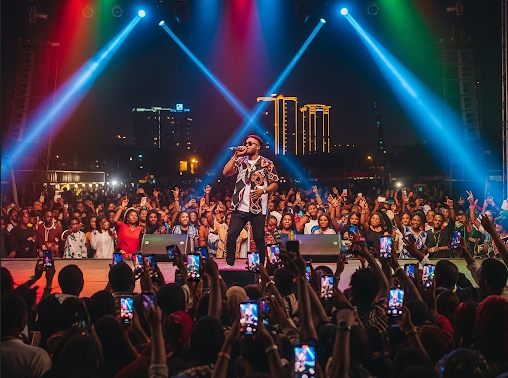
Guests photograph their outfits, record performances, share food, post reactions and show people who are not physically present what is happening. This has encouraged organisers to think about shareable moments much more intentionally.
That can be useful. A distinctive installation, backdrop, surprising performance or beautifully presented space can generate organic visibility when attendees genuinely want to share it.
The mistake is designing the entire event around photographs.
A photo wall may look impressive online while creating nothing for the person who has already taken their picture. An experience should still be enjoyable even if nobody uploads it to Instagram.
The best social content is often a consequence of people enjoying themselves rather than the main reason the moment exists.
When an audience is excited enough to record something because they do not want to forget it, that reaction is far more valuable than an organiser repeatedly asking everyone to post using the event hashtag.
Brands Have Started Thinking Beyond Putting Logos Everywhere
Experience-driven events have also changed the way sponsorship and brand activations can work.
A sponsor can place its logo around a venue and achieve visibility, but brands increasingly have opportunities to become part of what attendees actually do.
A beverage company might create a tasting experience. A financial brand supporting an entrepreneurship conference could provide something useful around networking or business education. A beauty company at a lifestyle event could create an experience where people interact directly with products rather than simply walking past branded banners.
This type of involvement gives attendees something to associate with the brand beyond seeing its name.
It can also give sponsors stronger content after the event because they can show what their partnership enabled rather than posting another photograph of a logo on a backdrop.
For organisers working with brands, our guide on how to pitch sponsors and deliver genuine value explains why sponsorship works better when the brand's involvement connects naturally with the audience.
Experience Does Not Have to Mean Expensive Technology
Once words such as immersive and experiential enter the planning conversation, it is easy to imagine VR headsets, giant LED installations and complicated technology.
Those things can work when they serve the event, but technology is not what makes an experience meaningful.
A carefully planned conversation can be an experience. So can an unexpected acoustic performance, a beautifully designed meal, a thoughtful welcome or a moment where an audience becomes part of what is happening.
Sometimes adding technology actually creates more friction. If guests have to download an unfamiliar app, create an account and spend ten minutes understanding how to participate in something that could have been simpler, the technology may be taking more from the experience than it contributes.
Use digital tools where they remove friction or create something that genuinely would not be possible otherwise.
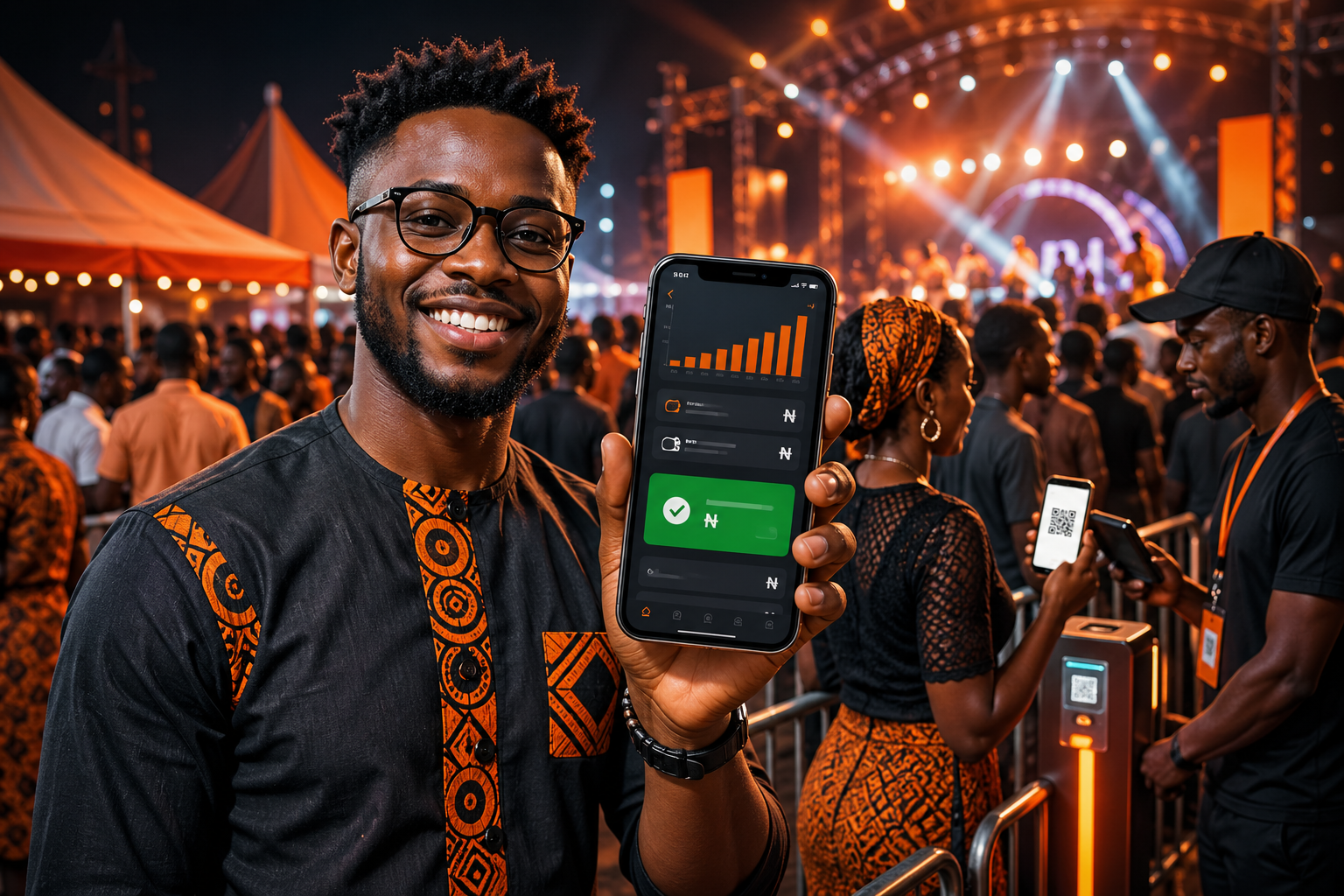
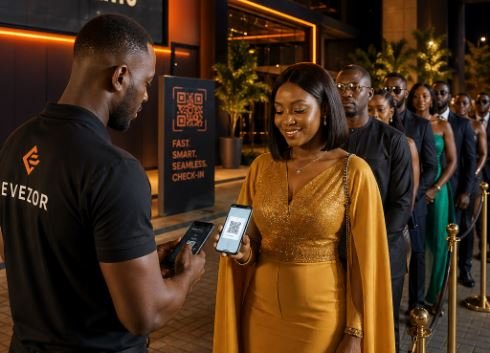
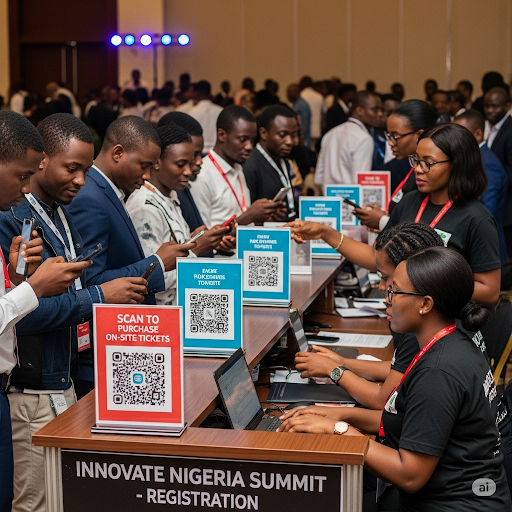
The same principle applies to the operational side. Ticketing, registration and check-in technology should make attendance easier without becoming the main attraction. When you are ready to publish an event, you can create your event on Shows.ng and handle the attendee-facing event details while concentrating your creative energy on the experience itself.
Do Not Add So Many Experiences That People Become Exhausted
There is a point where an experience-driven event can become overdesigned.
Guests enter through an installation, immediately meet a branded game, receive a personalised item, are directed towards a photo booth, participate in a challenge, scan something for another activity and then discover that the actual programme is supposed to begin in five minutes.
More interaction does not automatically create more enjoyment.
People need space to experience the event at their own pace. At social gatherings, sometimes the most valuable thing you can provide is somewhere comfortable to sit and talk. Conferences need breaks where attendees are not being programmed. Festivals benefit from spaces where people can step away from the main activity without leaving completely.
Think about rhythm rather than constantly trying to surprise people.
A few strong moments surrounded by a well-run event can be more memorable than twenty competing ideas fighting for attention.
The Best Experience May Be Something Guests Barely Notice
Not every memorable event detail is dramatic.
Fast entry is an experience. Clear signs are an experience. Helpful ushers are part of the experience. Finding a clean toilet without walking across the entire venue affects the experience. Food arriving when people are hungry contributes to it. Being able to hear the speaker without struggling is part of it too.
These things rarely appear in promotional videos because they are not glamorous, but they shape how people feel.
This is why experience-driven planning should not become an excuse to ignore operations while concentrating on aesthetics.
If an attendee spends an hour in a queue before entering an event with a spectacular interactive installation, the queue is part of their memory too.
The strongest experiences usually combine creative moments with competent execution. The exciting parts work because the basic parts are not constantly getting in the way.
Ask What You Want People to Remember a Week Later
This may be one of the most useful questions an organiser can ask before event day.
When somebody thinks about the event next week, what should come back to them?
For a conference, perhaps you want them to remember one powerful idea and two people they met. For a concert, it may be the feeling when a particular song started and the entire crowd responded. For a wedding, it might be the warmth of the celebration rather than the size of the decoration budget.
Once you understand the desired memory, you can work backwards.
If connection is the goal, give people opportunities and enough time to connect. If discovery matters, build moments where guests encounter something new. If celebration is central, make sure the programme is not so tightly controlled that nobody has time to actually celebrate.
This is a more useful approach than collecting trends and forcing them into an event simply because other organisers are using them.
Experience-Driven Events Are Really About Paying Better Attention
The rise of experience-driven events does not mean the old rules of event planning disappeared. Venue choice still matters. Budgets still matter. Security, sound, ticketing, timing and staffing still matter.
What has changed is the expectation that all of those pieces should add up to something the attendee can feel.
People have more entertainment choices, more ways to spend their time and more events competing for their attention. Simply announcing that something is happening is not always enough to make them care.
The organisers who stand out will be the ones who understand why their audience is coming and design around that reason. They will make entry easier, create opportunities for participation, choose spaces that support the mood and build memorable moments without turning the event into a collection of gimmicks.
And they will remember that sometimes the simplest parts matter most.
Before adding another activation, photo booth or interactive screen, ask whether it improves the way people experience the event. If the answer is yes, it may be worth doing. If the answer is simply that it will look good online, there may be a better place to spend the budget.
When you are ready to bring that experience to an audience, you can create your event on Shows.ng and give people one clear place to discover the event, understand what it offers and book their place.
People may buy a ticket because of what you promise. They remember the event because of how it made them feel once they arrived.