In this article
- Start With What the Client Is Actually Hiring You to Do
- Your Core Team Should Protect Continuity
- Specialised Work Is Usually Where Outsourcing Makes the Most Sense
- Do Not Build an In-House Department Just Because You Keep Paying a Vendor
- Outsourcing Works Only When the Vendor Relationship Is Managed Properly
- Keep Control of the Brief Even When Somebody Else Is Doing the Work
- Be Careful About Outsourcing Something You Do Not Understand at All
- Technology Can Remove Work Without Adding Another Person
- Large Events Usually Need a Wider Network, Not Necessarily a Huge Permanent Team
- There Are Times When Bringing Something In-House Makes Sense
- The Client Should Not Feel the Difference
- The Best Structure Is the One You Can Still Control When Things Go Wrong
There comes a point in growing an event planning business when doing everything yourself stops feeling impressive and starts becoming a problem.
In the beginning, it can make sense to wear several hats. You speak with the client, source the venue, negotiate with vendors, approve the design, supervise setup, answer every WhatsApp message and still appear at the event looking like everything happened effortlessly. When the number and size of your events begin to grow, that approach becomes harder to maintain.
The question then becomes whether you should build people and capabilities inside your own business or outsource more of the work to vendors and specialists.
There is no rule that says a professional event planner must employ everybody involved in an event. There is also no rule that says outsourcing everything makes your business more efficient. The better approach is to understand which parts of the event are central to the value you provide, which responsibilities need your direct control and which jobs are better handled by people who do them every day.
The strongest event businesses usually operate somewhere between the two extremes. They keep enough knowledge and decision-making close to protect the client experience, while building relationships with external professionals who can deliver specialised work without permanently increasing the size of the internal team.
Start With What the Client Is Actually Hiring You to Do
Before deciding what to outsource, be clear about what your event planning company is really selling.
A client is not hiring you because they believe you personally own chairs, cook meals, operate stage lights, take photographs and provide security. They are usually paying for your ability to turn an idea into an organised event. They expect you to understand their vision, manage the budget, coordinate the right people, solve problems and make sure everything works together when the day arrives.
That means the most important responsibilities to keep close are often the ones connected directly to judgement, communication and overall control.
Client communication is a good example. You may eventually have account managers or coordinators handling parts of it, but completely outsourcing the relationship can become dangerous. When the person speaking with the client does not fully understand what your company has promised, small misunderstandings can travel through several people before anybody realises there is a problem.
The same applies to the overall event direction. Somebody inside your organisation should understand the complete picture. The decorator may understand the visual setup and the sound engineer may understand production, but neither should be expected to manage the entire event simply because their work affects a large part of it.
Your company needs to remain the point where all those individual pieces come together.
Your Core Team Should Protect Continuity
An internal team becomes valuable when there are responsibilities you perform repeatedly across almost every event.
If every project requires somebody to manage timelines, communicate with vendors, update the client and coordinate logistics, constantly rebuilding those relationships with temporary people can create unnecessary instability. Having a dependable core team gives your business continuity from one event to the next.
The team does not need to be enormous.
A growing planner may have a small group covering coordination, logistics, client communication and administration while bringing in additional people when an event requires them. Another company may keep creative direction and production management internally because that is where its reputation has been built.
The exact structure depends on the type of events you organise.
A company specialising in large concerts may need more production knowledge internally than someone specialising in intimate private dinners. A wedding planner may benefit from strong internal coordination and vendor management because so much of the work involves bringing different suppliers together. A conference organiser may need somebody who understands speakers, registration and programme management particularly well.
The important thing is that your core team becomes familiar with how your company works. They understand your standards, preferred communication style and what you mean when you say something has to be ready before guests arrive rather than five minutes afterwards.
If you are still developing that structure, our guide on how to build a reliable event team in Nigeria goes deeper into choosing people, assigning responsibilities and preparing them before event day. Shows.ng's existing team guide also stresses the value of a dependable core team and assigning people according to their strengths.
Specialised Work Is Usually Where Outsourcing Makes the Most Sense
There are some parts of event production where trying to build everything internally can become expensive very quickly.
Sound is a good example. Professional audio requires equipment, maintenance, transport and technical knowledge that changes depending on the venue and event. Unless sound production is a major part of your business, maintaining everything required for different sizes of events may make far less sense than working with a dependable sound company.
The same thinking can apply to lighting, staging, photography, videography, catering, specialised decoration, entertainment and certain technical services. These are businesses in their own right, and good vendors spend years developing the equipment, staff and experience required to deliver them properly.
Outsourcing gives you access to that expertise when you need it without carrying the full cost between events.
Imagine you organise twelve events a year that require professional video coverage. Hiring videographers, buying cameras, replacing equipment, maintaining editing systems and managing a permanent production team may not be sensible if video is not part of your main business. Building a relationship with two or three reliable production companies gives you access to the skill while keeping your organisation focused.
The mistake is assuming that outsourced work becomes somebody else's problem.
The photographer may be external, but the client will still blame your company if important moments are missed. The caterer may own their business, but the guests will associate late food with the event you organised. Outsourcing changes who performs the work. It does not completely outsource your responsibility for the result.
Do Not Build an In-House Department Just Because You Keep Paying a Vendor
After using the same type of vendor repeatedly, planners sometimes begin calculating how much money they could supposedly save by doing the work themselves.
You look at what you paid decorators throughout the year and think, "If we bought our own decoration inventory, all this money would stay with us."
Sometimes that calculation is correct. Sometimes it ignores half of the real cost.
Owning equipment means storing it. Somebody has to transport it, maintain it, replace damaged pieces, keep track of inventory and supervise the people using it. Staff create salary obligations even when there is no event that week. Equipment that was fashionable this year may need updating when clients start asking for something completely different.
Before bringing a service in-house, think beyond the price you currently pay the vendor.
Ask whether the work appears often enough to justify permanent capacity, whether you can maintain the same standard as the specialists you currently hire and whether owning that service gives your business a meaningful competitive advantage.
If your event company has become known for extraordinary visual production and clients repeatedly hire you specifically because of that strength, developing your own creative production department might make sense. If you need an elaborate stage twice a year, buying enough equipment to become your own staging company probably does not.
This is where proper budgeting matters. Compare the full cost rather than focusing only on the amount written on a vendor invoice. Our event budgeting guide is useful when you are trying to understand recurring costs and where your money actually goes.
Outsourcing Works Only When the Vendor Relationship Is Managed Properly
A vendor is not automatically reliable because they have beautiful Instagram photographs.
When someone else's work is going to appear under your event brand, you need to understand how they operate before trusting them with something important.
Start with smaller jobs where possible. Pay attention to how quickly they communicate, whether quotations are clear, how they handle changes and whether they arrive when they say they will. Look at the quality of the work after the pressure of event day has arrived, not only photographs from a carefully selected portfolio.
Once you find strong vendors, treat those relationships as business assets.
A planner with a dependable network of caterers, decorators, production companies, photographers, DJs, MCs, security providers and logistics partners can move much faster than someone who starts searching Instagram from scratch every time a client calls.
That does not mean using exactly the same people for every event. Different projects require different strengths. It means knowing enough professionals to choose intentionally instead of choosing desperately because event day is approaching.
Shows.ng has another article on building stronger relationships and collaborating with event vendors. The existing guide makes an important point: vendor relationships can continue beyond a single contract and become part of how an event business grows.
Keep Control of the Brief Even When Somebody Else Is Doing the Work
One of the biggest outsourcing mistakes happens when planners give a vendor a vague instruction and expect professional experience to fill in every missing detail.
"Please handle the decoration."
"We need good sound."
"Just make the place beautiful."
Those instructions leave plenty of room for different interpretations.
A strong vendor brief should explain what the event is, who will attend, what the client expects, what has already been agreed, when access to the venue begins and what must be completed before the next team can do its work.
The more connected the vendor's work is to other suppliers, the more important that coordination becomes.
The decorator needs to know where production equipment will sit. The caterer needs to know where service areas are located. The photographer needs the programme timeline. The security team needs to understand which entrances are being used. The DJ needs to know when formal programme moments require different music.
You are outsourcing individual responsibilities, not the need for everybody to understand how those responsibilities affect each other.
This is why the event planner still needs a central timeline and somebody monitoring it. Our guide on creating an event timeline that keeps vendors and the team on track covers that coordination in more detail. Shows.ng's current timeline article similarly focuses on keeping moving parts under control when real event-day delays appear.
Be Careful About Outsourcing Something You Do Not Understand at All
You do not need to be a professional sound engineer to hire one, but you should understand enough about the service to ask sensible questions.
This applies across the business.
If you outsource digital advertising but have no idea what campaign results mean, it becomes difficult to know whether the agency performed well. If you outsource production but cannot recognise when an equipment proposal is excessive for the venue, you are completely dependent on whatever the supplier recommends. If somebody else manages ticketing and attendee information without you understanding the process, you may struggle to answer your own client's questions.
A planner does not need to become an expert in every specialist field. You do need enough working knowledge to supervise the outcome.
That knowledge also makes vendor conversations easier because specialists can tell when the person coordinating them understands what matters.
It protects your budget too. You can question unnecessary additions without automatically negotiating every quotation down simply because you do not understand why something costs what it costs.
The goal is informed management, not micromanagement.
Technology Can Remove Work Without Adding Another Person
Not every responsibility has to be solved by either hiring someone internally or outsourcing it to another company. Some repetitive administrative work can simply be handled more efficiently with the right systems.
Ticketing is a clear example.
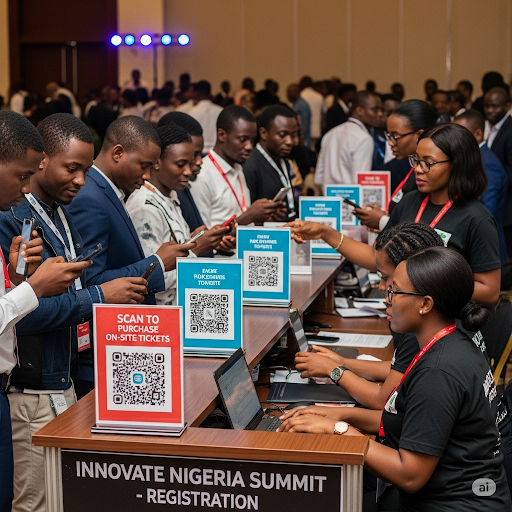
An organiser could assign team members to receive transfers, check screenshots, update attendee spreadsheets, send ticket confirmations and later search through those records at the gate. You could also move that booking process online and allow the team to concentrate on other parts of the event.
The same principle applies to project tracking, budgeting, team communication and guest information. The goal is not to use technology because it sounds modern. It is to stop spending valuable human attention on repetitive work that does not need somebody manually performing every step.
Shows.ng can handle the public event and ticketing side while your team concentrates on planning and delivery. When your event is ready to go live, you can create your event on Shows.ng and set up the event details and ticketing rather than building that process manually for every project.
Your tools should make the team lighter, not introduce another complicated process everybody has to manage.
Large Events Usually Need a Wider Network, Not Necessarily a Huge Permanent Team
The temptation when your business starts receiving larger projects is to assume the company must immediately become much bigger.
Sometimes it should. More projects may require additional coordinators, administrators or operations staff. But event demand is rarely perfectly consistent throughout the year, which makes permanent expansion something worth approaching carefully.
A planner can maintain a strong core team and expand around individual events using trusted freelancers, temporary event staff and specialist vendors.
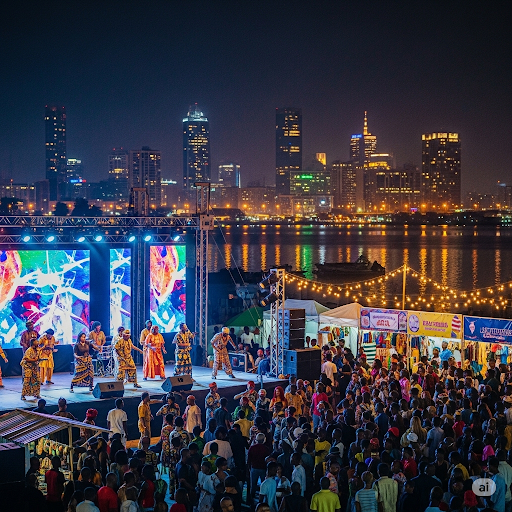
A conference may require additional registration staff for one day. A large concert may need a much bigger security and production operation than anything else you organise that month. A festival may require people working in roles that simply do not exist at your smaller events.
You do not necessarily need to employ those people throughout the year simply to prove that your company is capable of managing a large event.
Your capability is measured by whether you can assemble and lead the right team when the project requires it.
This flexible structure only works when your processes are strong. Temporary staff need clear instructions. Vendors need one communication structure. Everyone needs to know who makes decisions. If thirty external people are receiving conflicting instructions from five members of your internal team, outsourcing has not made the event more efficient. It has simply made the confusion larger.
There Are Times When Bringing Something In-House Makes Sense
Outsourcing should not become an automatic habit either.
If you repeatedly struggle with the same outsourced responsibility, bringing more of that capability inside may give you better control. Perhaps your clients constantly require rapid design changes and relying on freelance designers is slowing every project down. An internal designer may become worthwhile. Maybe production coordination has become central to the kind of events your company delivers, making an experienced production manager a logical addition to the core team.
Another sign is volume.
If you are buying the same service often enough that somebody could work on it consistently throughout the year, the numbers may begin to support employment rather than repeated external contracts.
Quality can be another reason. If a particular skill has become central to what makes your company distinctive, controlling the people and process behind it can protect your standards.
But every new internal responsibility should have a reason beyond "we can make more money if we do this ourselves."
Sometimes the most profitable decision is concentrating on what your company already does exceptionally well and allowing another business to make its own profit doing what it does exceptionally well.
The Client Should Not Feel the Difference
Whether a person is your permanent employee, freelancer or external vendor matters much more behind the scenes than it should to the client.
The client hired your company to coordinate the event. They should not need to chase the caterer because the caterer is technically an independent business. They should not hear that a problem is "the decorator's fault" while you step away from responsibility. They should not need to understand your internal organisational chart every time something changes.
From their perspective, you chose the people involved and you are managing them.
That does not mean accepting blame privately when a vendor clearly failed to meet an agreement. Deal with that issue between the relevant businesses. Protecting the client experience simply means remaining the coordinator instead of sending the client into the middle of vendor disputes.
This is one of the differences between outsourcing and abandoning responsibility.
The Best Structure Is the One You Can Still Control When Things Go Wrong
A completely in-house event company can become expensive and difficult to maintain. A completely outsourced operation can become inconsistent and difficult to control.
The useful middle ground is to decide deliberately.
Keep a strong core around the parts of the event that define your client experience. Build internal capacity when the work is frequent enough, important enough and financially sensible enough to justify it. Outsource specialised services when experienced professionals can deliver them better than building a permanent department of your own.
Then manage the connection between the two properly.
Your internal team should know what vendors are responsible for. Vendors should receive clear briefs. Timelines should connect everyone's work, and one person should always understand the complete picture when decisions need to be made quickly.
As your event business grows, the goal should not be to prove that you can do everything yourself. The goal is to become better at knowing who should do what.
And when you are ready to publish the next event, you can create your event on Shows.ng while your team focuses on the work that actually needs their attention.
A strong event planner does not control every task personally. They build a system where the right people can do their best work without the event losing direction.