In this article
- Starting With the Exciting Parts Before Understanding the Event
- Building the Budget Around Money You Hope Will Arrive
- Choosing a Venue Because It Looks Good in Photos
- Thinking the Vendor With the Cheapest Quote Is Automatically Saving You Money
- Trying to Become the Entire Event Team
- Leaving the Programme Inside Your Head
- Assuming Guests Will Arrive Exactly the Way You Imagined
- Treating Weather as Something You Will Deal With If It Happens
- Thinking Promotion Can Begin After Everything Else Is Ready
- Ignoring the Buying Experience After Deciding to Sell Tickets
- Spending So Much on Appearance That Guest Comfort Becomes Secondary
- Preparing Only for the Version of the Event Where Nothing Goes Wrong
- Believing the Event Ends When the Last Guest Leaves
- Your First Event Does Not Need to Prove That You Know Everything
Your first event has a way of making everything look simpler than it really is.
You find a venue, contact a decorator, arrange food, create a flyer and start inviting people. On paper, the pieces seem straightforward. Then the date gets closer and you discover that the caterer needs final numbers earlier than expected, the venue has rules nobody mentioned during the first conversation, one vendor needs access before another can finish setting up and the guest list is suddenly much larger than the budget you started with.
That does not mean new event organisers are destined to make a mess of their first few events. It simply means event planning involves a lot of connected decisions, and experience usually teaches you which questions should have been asked much earlier.
The smartest way to improve faster is to learn those lessons before they become expensive ones.
Starting With the Exciting Parts Before Understanding the Event
New organisers often begin with the things that make the event feel real. They start looking at venues, calling DJs, choosing colours or discussing decoration before the basic shape of the event has been defined.
Before any of that, you should understand what you are organising, who it is for and what success should look like.
A 100-person networking evening has very different requirements from a 500-person concert. A birthday for close friends should not be planned the same way as a public ticketed party. A conference may depend heavily on programme timing and sound, while a food festival needs much more attention around space, vendors and crowd movement.
The purpose should guide the spending.
If you skip that step, it becomes easy to spend heavily on something attractive and later discover that something more important was never budgeted for. You may have an elaborate backdrop but inadequate sound. You may book a beautiful venue that makes registration difficult. You may secure entertainment before knowing whether the expected audience can afford the ticket price required to cover it.
Start with the experience and work outward from there.
Building the Budget Around Money You Hope Will Arrive
One of the fastest ways to create pressure is to plan an event around income that is not yet secure.
You assume a sponsor will come through. You expect ticket sales to cover the final vendor balances. A friend says they know somebody at a company who will probably support the event. You commit to expenses as though those conversations have already become money.
Then the sponsor says no, sales move more slowly than expected and the vendor payment dates do not care about your optimism.
A safer budget begins with the resources you can reasonably rely on. Sponsorship and ticket revenue can expand what is possible, but you should understand what happens financially if either performs below expectation.
Track the small expenses too. Transport, printing, staff meals, data, last-minute purchases and extra rentals can quietly consume a surprising amount when nobody is recording them.
You also need room for change. Prices move, requirements change and something that was never discussed during the first venue visit may suddenly become necessary. A budget with no breathing room becomes stressful very quickly.
If this is your first time building one, our guide on how to budget for an event in Nigeria goes deeper into controlling costs before event day.
Choosing a Venue Because It Looks Good in Photos
A beautiful venue can still be a terrible venue for your particular event.
New organisers naturally notice appearance first. You see the chandeliers, garden, rooftop view or stage area and start imagining photographs. The operational questions come later.
How will guests reach the venue? What is parking like? Is the advertised capacity realistic after your setup is installed? What happens if it rains? Is there enough power for the equipment you are bringing? Are there restrictions on sound or closing time? Where do vendors enter? Are the toilets adequate for the expected crowd?
The answers can change whether a venue that looked affordable remains affordable.
A cheap empty space may require chairs, tables, generators, cooling, toilets, lighting and security that another venue already includes. A location far from your core audience might require more marketing effort because attendees see the journey itself as part of the cost of coming.
Visit the venue with the real event in mind rather than viewing it as an empty room.
Our guide on choosing the right event venue can help you evaluate more than appearance before paying a deposit.
Thinking the Vendor With the Cheapest Quote Is Automatically Saving You Money
When the budget is tight, the lowest quotation can feel like the obvious answer.
Sometimes it is a genuinely good deal. Sometimes it becomes the most expensive decision you make.
A vendor should be evaluated on more than price. Look at whether they communicate properly, whether they understand the brief, what the quotation actually includes and whether they have experience with the kind of event you are organising.
A decorator who charges less but arrives five hours late can affect the photographer, lighting team and venue setup. A cheap sound provider can make excellent speakers or performers difficult to hear. A caterer who underestimates quantities can become the thing guests discuss after forgetting everything else.
This does not mean choosing the most expensive vendor either.
Compare scope, quality and reliability. Ask for previous work where appropriate. Get important agreements in writing. Confirm setup times, payment terms and exactly what is being supplied instead of relying on verbal assumptions.
Good vendor management is not about distrusting everyone. It is about removing ambiguity before the pressure of event day arrives.
Trying to Become the Entire Event Team
A new organiser can easily believe that doing everything personally is the best way to make sure it is done correctly.
You manage registration, call vendors, monitor decoration, answer guest messages, cue the MC, check catering and still expect yourself to notice when something is going wrong on the other side of the venue.
Eventually, one person becomes the bottleneck.
Even a small event benefits from clear responsibility. Someone can manage guest arrival while another person follows vendors. Somebody should know who is watching the programme. If the event is large enough, areas such as security, production and ticketing need their own responsible leads.
Delegating does not mean losing control. It means keeping control of the decisions that actually require you while other people handle responsibilities that have already been assigned.
The important part is clarity. Saying "everybody should help" sounds cooperative until something goes wrong and everybody assumes somebody else was handling it.
If you are putting together your first team, read our guide on building an event team that can deliver without constant supervision.
Leaving the Programme Inside Your Head
You know what should happen because you have been thinking about the event for months.
The DJ does not.
The MC does not know that the speech has been moved forward unless someone tells them. The photographer does not automatically know that an important presentation is about to happen. The caterer may not realise the programme is running late and food service now needs to shift.
New organisers often underestimate how much information exists only inside their own heads.
Write the event flow down.
For the broader planning process, you may have a timeline covering tasks in the weeks before the event. For event day itself, a run sheet can show when important activities happen, who is responsible and what needs to be ready beforehand.
It does not need to control every second. It simply gives the team one common version of what is supposed to happen.
Our guide on creating an event run sheet explains how to turn the programme into something the team can actually follow.
Assuming Guests Will Arrive Exactly the Way You Imagined
Guest arrival is one of those areas where planning can look very different from reality.
People encounter traffic. Some arrive extremely early. Others arrive late. Large groups may appear at the same time because they were coming from the same area or waiting for one another.
The answer is not simply to accept that the event will start whenever people eventually appear.
Communicate clearly about when doors open and when the main programme begins. Choose a venue that is reasonably accessible to your target audience and give useful directions where necessary. If parking is difficult, tell people before they arrive.
Your programme should also distinguish between guest arrival and the beginning of important activities. This gives the event room to receive people without automatically delaying everything because someone important is still on the road.
Traffic is part of planning in Nigerian cities, but it should influence the plan rather than become the excuse for not having one.
Treating Weather as Something You Will Deal With If It Happens
Outdoor events create beautiful possibilities, but weather needs an answer before the first guest arrives.
Rain affects more than whether people get wet. It affects electrical equipment, seating, decoration, food service, parking and the condition of the ground. Strong wind can affect temporary structures and signage. Heat can make a daytime event uncomfortable long before the programme ends.
If you are planning outdoors, know what happens when conditions change.
That may mean covered areas, suitable tents, access to an indoor section or another practical alternative. Whatever the plan is, it should be realistic enough to implement while the event is happening.
Do not wait until dark clouds appear before asking whether anybody knows where to get canopies.
If you are still deciding on the environment, our article on choosing between indoor and outdoor venues looks more closely at weather, power, sound and guest comfort.
Thinking Promotion Can Begin After Everything Else Is Ready
A public event does not become successful simply because the event itself has been planned well.
People need enough time to discover it, understand why they should attend and decide whether the date, price and experience work for them.
New organisers sometimes spend months on the venue and programme, then begin serious promotion shortly before the date. At that point, every slow sales day feels like an emergency.
Promotion should be part of the planning timeline.
Start by understanding the audience and where they already spend attention. A professional conference may find LinkedIn and relevant communities useful. A youth concert may depend more heavily on Instagram, TikTok, WhatsApp and the audiences of the performers involved. A local family event may spread heavily through community networks.
Do not make the entire campaign one flyer reposted repeatedly.
Introduce the experience gradually. Talk about speakers, performers, activities or what makes the event relevant. Give people different reasons to pay attention as the date approaches.
And when you are ready to publish it, you can create your event on Shows.ng so the promotion has one clear destination for the event information and ticket or registration process.
Ignoring the Buying Experience After Deciding to Sell Tickets
Ticketing should not be added casually because somebody said the event should make money.
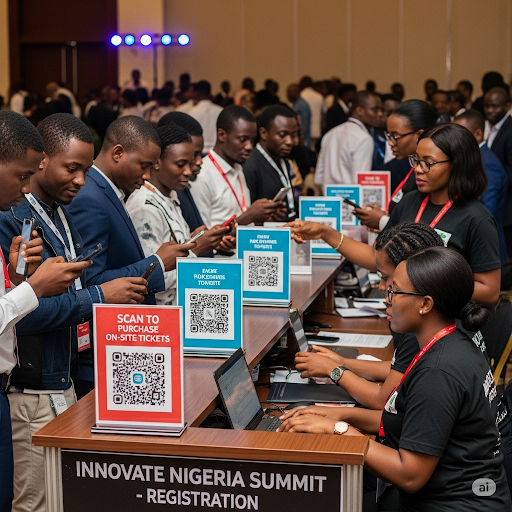
Think through the ticket price, available quantity, categories and what each category gives the buyer. Make sure the booking process is clear and know what happens when those same ticket holders arrive at the gate.
An organiser can have excellent ticket sales and still create a poor experience if entry has not been planned.
If hundreds of guests are expected in a short period, the team needs enough capacity to verify them. Ticket disputes should have somewhere to go without stopping the normal queue. Staff should understand what Regular, VIP or other access categories actually mean.
Ticketing is not finished when payment succeeds. It finishes when the right person enters the event with the access they purchased.
If you want to avoid the common setup and gate problems, our guide on common event ticketing mistakes covers the full process in more detail.
Spending So Much on Appearance That Guest Comfort Becomes Secondary
Visuals are important. Guests notice a beautiful room, stage or entrance.
They also notice when there are not enough chairs.
They notice poor ventilation, dirty toilets, confusing queues, painfully loud sound and food arriving far later than expected. Those practical details may not appear in your event photographs, but they shape how people describe the experience afterwards.
This is especially easy to miss when planning your first event because decoration is visible during preparation. Guest comfort is experienced later.
Keep asking what the event feels like from the attendee's side.
What happens when they arrive? Is it clear where to go? Can they hear the programme? Is the room comfortable at full capacity? If they need help, is there somebody obvious to ask?
A polished event balances presentation with usability.
Preparing Only for the Version of the Event Where Nothing Goes Wrong
Your plan probably assumes the vendors arrive, the power works, the speaker shows up and the weather behaves.
Most of the time, at least one of those assumptions will be tested.
Contingency planning does not mean imagining every disaster possible. Focus on the things that would seriously affect the event if they failed.
If power is essential, know the backup. If one performer is central to the programme, understand what happens if they are delayed. If the event depends on internet access, think about whether important operations can continue during a connection problem.
The team also needs to know who can make decisions when something changes.
A backup plan nobody has authority to activate is not much of a backup plan.
For larger events, security and emergency planning should be treated with the same seriousness. Our event security planning guide covers entrances, crowd movement, medical response and emergency routes in more detail.
Believing the Event Ends When the Last Guest Leaves
The event is over, but some of the most useful learning is still available.
Talk to your team while everyone remembers what happened. Find out which vendor created difficulties and which one performed exceptionally well. Review the budget against what you actually spent. If the event was ticketed, look at when people bought and which ticket options performed best.
Ask attendees for useful feedback where appropriate.
The first event teaches you things no planning guide can predict because they are specific to your audience, team and way of working. The mistake is allowing those lessons to disappear and then starting the next event from zero.
Keep notes. Save reliable vendor contacts. Document processes that worked. Be honest about what you would change.
Experience becomes valuable when you remember it.
Your First Event Does Not Need to Prove That You Know Everything
New organisers sometimes put unnecessary pressure on themselves to produce something enormous because they want to be taken seriously.
You do not need to demonstrate every event-planning skill in one project.
A smaller event executed properly can build more trust than an ambitious event where the organiser was not ready for the scale. Choose a realistic venue, work with an audience size you can manage and spend according to the money actually available.
Ask questions when you do not understand something. Use experienced vendors for specialised work. Give team members responsibilities instead of trying to prove that you can personally handle everything.
Most importantly, pay attention to the connections between decisions.
The venue affects the budget. The budget affects the ticket price. The ticket price affects sales. Attendance affects staffing and security. The programme affects vendors and production. Marketing affects when people buy and what they expect when they arrive.
Event planning becomes much easier once you stop seeing those as separate tasks.
When you are ready to put your next event together, you can create your event on Shows.ng and give attendees a clear place to find the details and register or purchase tickets where applicable.
The goal of your first event is not to avoid every mistake. It is to plan carefully enough that the mistakes you do make become lessons instead of disasters.