In this article
- The Concert Started Selling Before Tickets Were the Main Conversation
- In Abuja, the Venue Is Part of the Decision to Attend
- You Can Book the Right Artist and Still Lose the Crowd Through Bad Sound
- Security Works Best When It Does Not Become the Entertainment
- Starting on Time Changes How People See Your Event Brand
- The Headliner Gets Attention, but the Whole Night Creates the Memory
- The Audience Is Paying for More Than What Happens on Stage
- What Abuja Audiences Want Is Not Really a Mystery
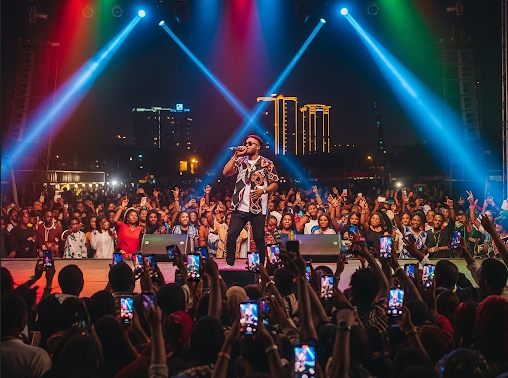
There is a point during a successful concert when the audience stops thinking about the planning completely. The lights come on, the music hits properly, the crowd responds and, for a few hours, people are simply inside the experience.
That is usually the goal. Guests should not be standing in the middle of a concert wondering whether the organisers hired enough security, tested the speakers properly or spent three weeks convincing an influencer to post the event. They should simply feel that the night works.
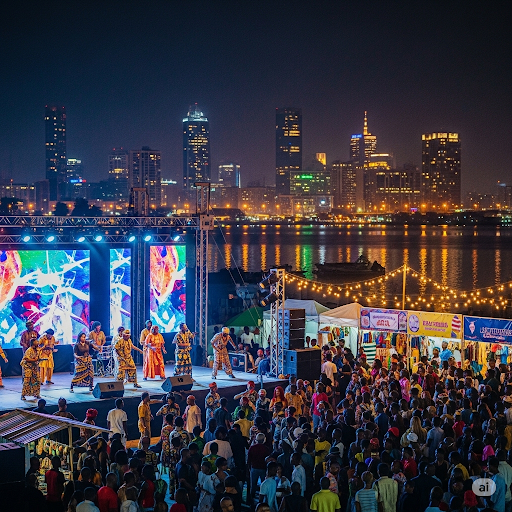
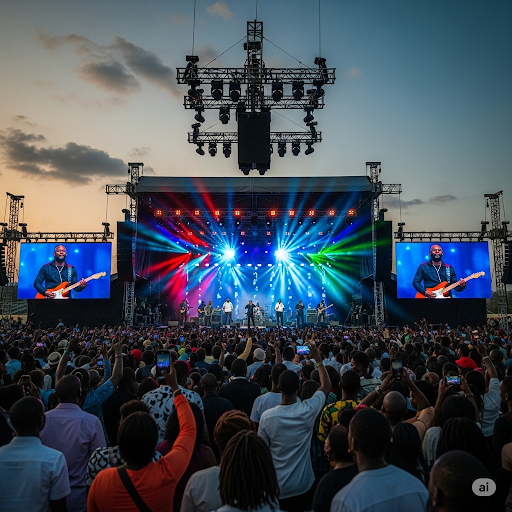
One Abuja concert offered a useful reminder of how many decisions have to come together to create that feeling. The event generated attention before the date, attracted a large audience, benefited from an accessible venue and kept the crowd engaged through a combination of music, MCs, DJs and performances. It was not completely flawless either. The original event recap noted complaints about the sound earlier in the night, which is exactly why the event is more useful as a case study than as a story about perfection.
For organisers planning concerts, festivals and other entertainment events in Abuja, there is plenty to take from the way the night came together and from the parts that could have gone better.
The Concert Started Selling Before Tickets Were the Main Conversation
One thing the event got right was creating conversation before the show itself. The promotion did not depend entirely on repeatedly posting one flyer and hoping people eventually paid attention. According to the original recap, the campaign included influencers, comedy creators, countdown content and social media activity that kept the event visible as the date approached.
That matters because concerts are sold partly through anticipation. People want to feel that something is building. A performer announcement creates one moment. A short video creates another. Seeing friends discuss the show creates another. By the time somebody finally encounters the ticket link, the event may already feel familiar.
This is especially important when an organiser is asking people to make a decision weeks before the concert. The audience is not only deciding whether they like the artist. They are deciding whether the event feels important enough to reserve a night for, spend money on transport and tickets, convince friends to come and possibly buy an outfit around it.
Good concert marketing gives that decision momentum.
Instead of treating promotion as one long sales announcement, organisers can gradually reveal the experience. Introduce the supporting acts. Show the venue. Let the DJ talk about what they are preparing. Share rehearsals where appropriate. Give people moments from previous editions. Let collaborators speak to their own audiences rather than forcing every message to come from the official event account.
This is also where creator partnerships become more useful when the creator actually matches the audience. A person with a smaller but highly relevant Abuja nightlife following may influence more ticket decisions than somebody with a huge national audience that barely cares about the event.
If ticket sales are the main goal, our guide on building real demand around an event instead of simply posting more flyers goes deeper into that part of the campaign.
In Abuja, the Venue Is Part of the Decision to Attend
The original recap described the venue as central, spacious and accessible. That may sound like a basic planning decision, but for a concert it can have a direct effect on attendance.
People rarely evaluate a venue only by asking whether it looks good. They are quietly calculating the whole night. How difficult will it be to get there? Will parking become another event of its own? How easy will it be to find transport afterwards? Will the venue be painfully crowded? Is it somewhere they already feel comfortable going at night?
A venue can make a strong lineup harder to sell if the journey feels inconvenient enough.
Capacity deserves just as much attention. A packed concert can feel exciting when the space was designed for the crowd. The same crowd inside a venue that cannot handle the movement, queues, toilets and exits can feel uncomfortable or unsafe. Organisers need to think beyond the headline capacity figure and consider what happens when people are actually inside the space.
Where will the ticket queue form? Where do VIP guests enter? What happens around food and drinks? How much room is available in front of the stage? Can somebody leave one section without pushing through another? How will security reach an area quickly if there is a problem?
These decisions are not separate from the entertainment. They shape whether people can actually enjoy it.
If you are still deciding where to host an event, our guide on choosing the right event venue looks more closely at capacity, location and the practical experience of using a space.
You Can Book the Right Artist and Still Lose the Crowd Through Bad Sound
This may be the most useful lesson from the night because it is easy for organisers to underestimate production once the headline talent has been secured.
The original article noted that there were complaints about poor sound earlier in the concert. That matters because an artist cannot perform around a technical experience the audience cannot hear properly.
People can forgive a simple stage design. They can survive without ten giant LED screens. What becomes much harder to ignore at a music event is unclear vocals, microphones cutting out, distorted audio or a sound system that works beautifully in one part of the venue and terribly in another.
Production should therefore be treated as part of what the ticket buyer paid for, not as equipment that gets added after the entertainment budget has consumed everything else.
The technical team needs enough information about the venue, performers and programme to build the right setup. Sound checks should happen with enough time to correct problems. Performers bringing their own musicians or technical requirements need to communicate those details before the concert rather than when they arrive backstage.
The same thinking applies to lighting and stage transitions. A concert can have excellent individual performances and still feel disorganised if every change between acts creates ten minutes of darkness and confusion.
A strong production team makes those transitions feel intentional. The audience may not know exactly why the night feels smoother. They simply stay engaged.
Security Works Best When It Does Not Become the Entertainment
Large concerts need visible control without making guests feel as though they are entering a hostile environment.
The original recap described the Abuja event as having visible, coordinated security and said there were no major incidents highlighted from the night. The useful lesson is less about the number of guards and more about planning where security actually matters.
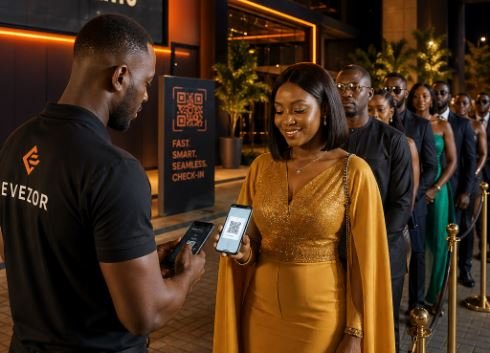
Entry is an obvious point. A large crowd arriving within the same period can create pressure before anybody reaches the main event area. Ticket verification, security screening and queue management need to work together instead of three separate teams creating three separate bottlenecks.
Inside the venue, security also needs to understand the layout and the audience. The front of the stage may require different attention from a seating area. Backstage needs access control. VIP sections need clear boundaries. Parking and the surrounding environment may need coverage before and after the performances.
The team also needs to know how to respond without escalating every small disagreement. Not every confused ticket holder needs to be treated like a security threat, and not every guest standing in the wrong section needs five people surrounding them.
The best security operation protects the energy of the event while remaining ready when a genuine problem appears.
Our event security planning guide goes deeper into access control, crowd movement, emergency routes and preparing staff before the gates open.
Starting on Time Changes How People See Your Event Brand
One of the details that stood out in the original recap was that the event started relatively close to its advertised time. In a market where audiences sometimes expect major delays, simply respecting the published programme can become something people notice.
Timing affects much more than the first performance.
If a concert starts extremely late, the organiser eventually has to recover that time somewhere. Supporting acts may be rushed. Sets are shortened. Stage transitions become frantic. The headline performer may appear much later than the audience expected, and guests who need to leave at a sensible time start checking their phones instead of enjoying themselves.
It also creates a trust problem. When an organiser repeatedly announces one time and operates according to another, returning attendees eventually learn not to believe the schedule.
This does not mean a concert needs military precision. Live entertainment will always have moving parts, and small delays happen. The difference is whether the programme was built to move and whether the team treats the audience's time as something worth protecting.
Performers should know their call times. DJs need to understand where their sets fit. The stage manager should know who is next before the current act finishes. If somebody is late, there should be enough flexibility to keep the night alive without making the audience stare at an empty stage.
The Headliner Gets Attention, but the Whole Night Creates the Memory
A concert cannot depend entirely on waiting for one major artist to appear.
The Abuja event used MCs, DJs and surprise performances to keep the audience involved, according to the original recap. That is an important part of pacing because a concert is an experience that may last several hours.
The audience needs energy between the big moments.
A good DJ understands when the crowd needs to move and when not to exhaust them before the next performance. A strong MC can keep attention during a short technical change without turning every pause into twenty minutes of shouting. Supporting performers can introduce audiences to something new while also preventing the night from feeling like everybody is simply waiting for one person.
Surprises can work particularly well because they create the moments people talk about afterwards. The important part is that they fit the event. A surprise should feel like a reward for being there, not another unrelated addition to an already crowded programme.
That is where pacing becomes creative rather than purely logistical. The organiser is deciding how the emotional energy of the night should move. If every act is presented at maximum intensity with no breathing room, the audience can become tired. If too much time passes without anything meaningful happening, the energy disappears.
The best concert programmes rise, settle and rise again until the headline moment feels like a natural peak rather than a rescue mission.
The Audience Is Paying for More Than What Happens on Stage
Concert organisers naturally spend a lot of time thinking about artists because artists sell tickets. But the audience experiences much more than the performance.
They experience the booking process. They experience the journey to the venue. They experience security. They experience the queue. They experience the toilets, food, drinks and how difficult it is to move through the crowd. They experience whether staff can answer a simple question without sending them to four different people.
Then they experience the stage.
This is why a huge lineup cannot completely compensate for an unpleasant event operation. If somebody spent ninety minutes trying to enter, missed the first performances and then discovered there was nowhere comfortable to stand, that frustration becomes part of how they describe the concert afterwards.
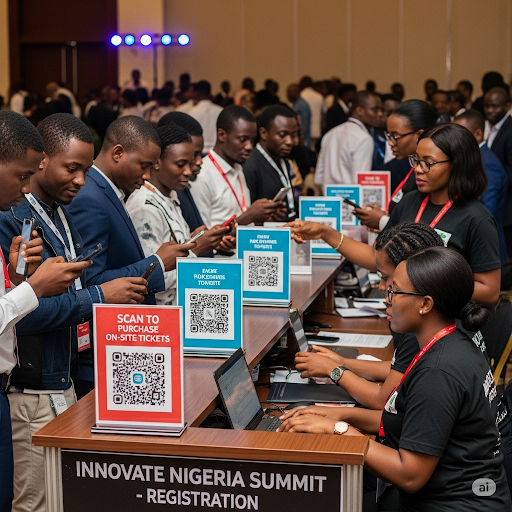
It also explains why online ticketing should connect with the gate operation rather than simply collect payments. When guests have valid digital tickets, the entry team needs a straightforward way to verify them and move people through instead of recreating the entire booking process at the venue.
If you are selling tickets for a concert, you can create the event and manage online ticket sales with Shows.ng, then use the event page as the booking destination across your promotional campaign. Shows.ng currently also surfaces events by location, including Abuja, giving attendees a way to discover events happening in the city.
What Abuja Audiences Want Is Not Really a Mystery
It is tempting to talk about different cities as though audiences in each one follow completely different rules. Abuja has its own entertainment culture, but the core expectations revealed by this concert are not complicated.
People want to hear about an event early enough to become interested. They want a venue they can reasonably reach. They want the sound to work. They want to feel safe. They want the programme to respect their time, and they want enough happening throughout the night to feel that the ticket was worth buying.
None of those things is a marketing trick.
They are parts of the experience.
That may be the biggest lesson from the concert. Event organisers sometimes search for one spectacular idea that will make a show unforgettable when the stronger advantage comes from executing many ordinary things unusually well.
Get people talking before the date. Choose a venue because it works, not only because it is available. Take production seriously. Plan the entrance with the same attention you give the stage. Build a programme that can maintain energy and give the audience reasons to stay engaged from the opening moments until the final performance.
Then pay attention to what people say after the event. The complaints are as useful as the compliments. If the sound struggled, fix it next time. If a particular part of the programme kept people engaged, understand why. If entry moved well, document the process instead of rebuilding it from memory at the next edition.
A memorable concert is rarely created by one big moment. It is created when promotion, production, timing, security and audience experience all support the moment people came to see.