In this article
- Ushers Shape the First Few Minutes of the Guest Experience
- Security Should Protect the Event Without Becoming the Event
- Support Staff Are Usually Solving the Problems Guests Never Hear About
- The Gate Is Where Ushers and Security Have to Work as One Operation
- Staff Handoffs Matter More Than Having One Person Who Knows Everything
- The Event Programme Affects Every Team, Not Just the MC
- Guest Problems Should Be Solved at the Lowest Sensible Level
- Professionalism Includes How Staff Treat People Under Pressure
- Looking After Staff Affects How Well They Look After Guests
- The Best Event Staff Prevent the Planner From Becoming the Entire Event Team
Guests usually notice your event staff before they notice most of the planning behind the event.
They meet the person at the entrance telling them where to go. They ask an usher where their table is. They see security controlling access to a restricted area. When a microphone stand needs to move, a chair suddenly breaks or a vendor needs help bringing something into the venue, somebody behind the scenes quietly handles it.
When those people work well together, the event feels organised without guests necessarily understanding why. When they do not, the problems become visible very quickly. Guests wander around looking for help, security gets pulled into customer-service disputes, ushers start making decisions they were never supposed to make and the organiser spends the entire event responding to issues that should have been handled elsewhere.
Ushers, security personnel and support staff have different responsibilities, but the smoothest events happen when those responsibilities connect properly. The goal is not simply to have enough people wearing branded shirts. It is to build an event-day operation where guests know where to go, restricted areas remain controlled and small problems are solved before they become distractions.
Ushers Shape the First Few Minutes of the Guest Experience
An usher's job is sometimes reduced to smiling at the entrance and showing people to their seats. In reality, good ushers reduce confusion throughout the venue.
Imagine arriving at a wedding where there are several entrances, different seating areas and no obvious indication of where you belong. You ask one person, they point vaguely across the hall. Another person sends you somewhere else. By the time you finally reach your table, the event already feels less organised than it looked on the invitation.
A prepared usher prevents that experience by understanding the venue before guests arrive. They know where registration happens, where different seating areas are located, where the toilets are, which entrances are being used and who can answer questions outside their responsibility.
That last part matters. A strong usher does not need to know the answer to absolutely everything. They need to know where the answer can be found.
If a guest has a ticket problem, the usher should know who is handling ticket support. If somebody claims to be a VIP but cannot be found on the relevant list, there should be a defined person who can verify that rather than allowing the usher to make an uncomfortable judgement at the entrance. If a guest needs medical help, the response should move immediately to the appropriate team instead of becoming a conversation among several ushers.
Good ushering is really about helping people move through the event with less uncertainty.
Security Should Protect the Event Without Becoming the Event
Guests need to feel safe, but nobody wants to spend an entire celebration feeling as though they have entered a military checkpoint.
Professional event security should be firm where necessary while still understanding that most people entering the venue are guests, not suspects.
At the entrance, security may be responsible for screening, controlling access and helping prevent prohibited items or unauthorised people from entering. Inside the venue, the responsibility changes. Security may need to protect backstage areas, VIP sections, equipment and other restricted spaces while remaining alert to situations that could affect guest safety.
The strongest security teams are usually the ones that notice developing problems early. A disagreement that is becoming increasingly aggressive, a crowd forming in the wrong place or someone repeatedly trying to enter a restricted area is easier to handle before the situation attracts a larger audience.
That does not mean every small issue should become a confrontation. If somebody accidentally sits in the wrong section, an usher may be better placed to handle it. If the person refuses to cooperate and begins creating a disturbance, security may then need to become involved.
Clear boundaries between those responsibilities help protect the atmosphere of the event.
Security planning also has to go beyond preventing fights or controlling the gate. Emergency exits, crowd movement, medical response and restricted access are all part of keeping people safe. Our event security planning guide looks more closely at those wider responsibilities.
Support Staff Are Usually Solving the Problems Guests Never Hear About
Some of the most important people at an event barely interact with guests.
Support staff may be moving equipment, assisting vendors, checking supplies, helping with stage changes, keeping spaces clean or handling dozens of small logistical tasks that appear throughout the day.
Their work can be easy to underestimate because when it is done properly, nothing dramatic happens.
A drinks station runs low and someone restocks it before guests notice. A table needs to be repositioned and it happens quickly. Packaging from setup disappears before the venue opens. A performer needs an additional chair backstage and somebody finds one without involving the event planner.
These are not glamorous moments, but events are full of them.
Without support staff, coordinators and other senior team members end up doing work that pulls them away from decisions only they can make. The event planner should not be carrying extension cables across the venue while a sponsor is trying to find them. The stage manager should not leave the programme to search for drinking water for a speaker.
Good support allows everybody else to stay focused on the responsibility they were actually brought in to handle.
The Gate Is Where Ushers and Security Have to Work as One Operation
Entry is one of the clearest examples of why these roles cannot operate in isolation.
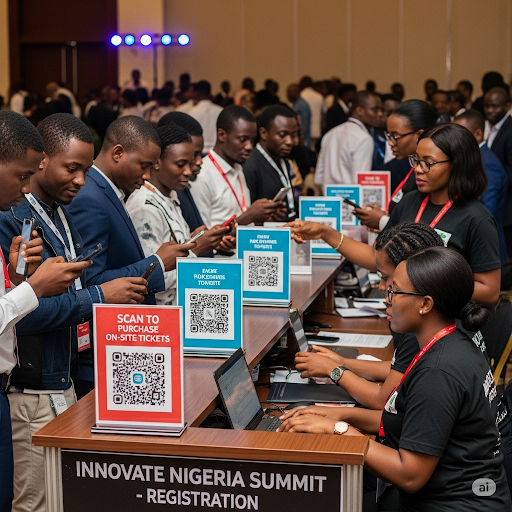
A ticketed event may have one team checking or scanning tickets while security handles screening and ushers direct guests once they are admitted. If those processes are badly arranged, they begin interfering with one another.
A guest reaches security before anyone has verified whether they have the correct ticket. Another guest successfully checks in but has no idea which direction to go afterwards. Someone has a genuine booking problem and stands in the main queue for ten minutes while several people try to investigate it.
A better gate process gives each stage a clear purpose.
Guests should understand where the queue begins. Ticket or guest-list verification should happen without unnecessary argument. Security screening should be positioned so it does not stop the entire admission process, and once somebody is admitted, ushers should be ready to move them away from the entrance rather than allowing people to gather immediately inside the gate.
Unusual cases also need somewhere to go.
If a digital ticket is not validating, the scanner should not automatically become a customer-service officer while everybody waits. Move that guest to a separate support point where someone with access to the necessary information can investigate the issue.
The same principle applies to guests saying they know the organiser, missing names, unexpected plus-ones and questions about ticket categories. The main entrance should continue moving while exceptional cases are handled separately.
Our guide on avoiding messy entries on event day goes deeper into organising the ticket-verification side of this process.
Staff Handoffs Matter More Than Having One Person Who Knows Everything
A smooth event depends on information moving to the right person.
An usher notices that an elderly guest is feeling unwell. Their responsibility is not to diagnose the person. Their responsibility is to get the appropriate medical or supervisory support quickly.
Security notices that a queue is beginning to block an emergency route. They may need the gate coordinator to change how attendees are being directed.
A support runner discovers that a vendor's equipment is blocking a backstage entrance. They need to know which coordinator can make the decision about moving it.
These handoffs sound simple, but they are where badly organised teams begin to break down. If nobody knows who owns a particular type of problem, everybody either ignores it or calls the event organiser.
Your team structure should make escalation predictable. Ushers should know their supervisor. Security should have its own chain of responsibility. Operational staff should know who coordinates vendors and logistics. Major decisions should move towards event management without every minor question taking the same route.
This is also why staff communication needs to be planned before the venue becomes noisy and crowded. For a smaller event, phones and a dedicated team group may be enough. Larger events may need radios for key staff. Whatever you use, people need a reliable way to pass useful information quickly.
The Event Programme Affects Every Team, Not Just the MC
A change to the programme can create work in parts of the venue that the audience never sees.
If a headline performer is moved forward, security may need to prepare the stage area earlier. Backstage support needs to locate the artist. The production team needs the correct equipment ready. Ushers may need to keep certain routes clear while the performer moves.
At a conference, extending one session may affect catering, speaker movement and the timing of a networking break. At a wedding, moving the couple's entrance can affect photography, music and where family members need to be positioned.
This is why key operational staff should understand the event run sheet rather than working only from isolated instructions.
They do not necessarily need every minute of every activity, but they should know the moments that affect their responsibilities and who communicates changes when the timing moves.
Our article on how to create an event run sheet explains how activities, timing and responsibilities can be connected so the team knows what should be happening next.
Guest Problems Should Be Solved at the Lowest Sensible Level
One way to tell whether an event team is functioning well is to look at how many small problems reach the organiser.
A guest cannot find their seat. The organiser should not be required.
Someone wants directions to the toilet. Definitely not.
A guest is unhappy with their table position. Perhaps an usher supervisor or seating coordinator can handle it first.
A person is trying to force their way into a restricted backstage area. That becomes a security matter.
A serious safety incident, major programme change or issue involving an important stakeholder may eventually need senior event management.
Problems should move upwards only when the person currently handling them lacks the authority, information or expertise to resolve them safely.
This makes the entire operation faster because guests are not waiting for one extremely busy person to approve every small decision.
It also makes staff feel more capable. People who have been given clear responsibility can actually perform their jobs instead of becoming messengers between the guest and the planner.
Professionalism Includes How Staff Treat People Under Pressure
An event can become stressful very quickly, especially at the gate or during a delay. That is exactly when staff behaviour matters most.
A guest may be annoyed because their ticket is not validating. Someone may be frustrated because they cannot find their assigned table. A parent might be worried about a child. A performer may be impatient because the programme is running late.
Your team should not match that frustration with its own.
Professionalism does not mean accepting abuse or ignoring rules. It means remaining clear and controlled while enforcing them.
Ushers should know how to explain something without sounding dismissive. Security should understand that firmness does not require unnecessary aggression. Support staff working around guests should be aware that their behaviour is still visible even when they are not technically in a customer-facing role.
This is one reason staff briefing and training matter. People behave more confidently under pressure when they already understand the event's expectations and know where to take difficult situations.
If you are preparing your team for event day, our separate guide on how to train event staff for a smooth and professional event covers role clarity, venue walkthroughs, communication, rehearsals and escalation in more detail.
Looking After Staff Affects How Well They Look After Guests
Event work can involve long periods of standing, heat, noise and constant interaction with people. Staff performance will eventually suffer if the team has been working for hours without water, food or a reasonable opportunity to rest.
Plan for the people working the event as well as the people attending it.
If someone needs to remain on duty for a long period, organise rotations where the role allows it. Make water accessible. Be clear about reporting and closing times so staff understand what they are committing to. If the role involves standing outside, think about the conditions they will actually be working in.
This is practical management, not pampering.
An exhausted usher becomes less patient with guests. A security officer who has been standing in the sun for six hours without relief is less alert. Support staff who have been working since setup with no break are more likely to make mistakes when the event reaches its busiest stage.
Treating people properly protects the quality of their work.
The Best Event Staff Prevent the Planner From Becoming the Entire Event Team
There will always be moments when the organiser needs to become involved. The goal is not to disappear once guests arrive.
The goal is to remain available for the decisions that genuinely require your judgement instead of spending the entire day directing people to toilets, investigating every ticket problem and looking for extra chairs.
Ushers should help guests move through the venue confidently. Security should protect people, entrances and restricted areas without unnecessarily disturbing the atmosphere. Support staff should keep the practical side moving so coordinators and vendors can concentrate on their own responsibilities.
Most importantly, all three groups should understand how their work connects.
A guest's experience does not care where the usher's responsibility technically ended and the security officer's began. They simply remember whether the entrance was organised, whether people were helpful and whether problems were handled without unnecessary drama.
That is why staffing should be treated as part of the event experience rather than something added once every other vendor has been booked.
Prepare the people properly, give them clear responsibilities and make sure information can move between teams. When that happens, many of the problems guests normally notice are solved quietly in the background.
And when you are ready to organise the next event, you can create your event on Shows.ng while your event team concentrates on making the experience work once people arrive.
A smooth event does not happen because nothing goes wrong. It happens because the right people are in the right places when something needs to be handled.