In this article
- People Promote Experiences Before They Promote Brands
- Do Not Design the Entire Event Around Being Instagrammable
- Give People a Clear Event Identity to Share
- Make the Event Link Easy to Find Before You Ask People to Share It
- Let Supporters Put Themselves Inside the Campaign
- Start the Attendee Promotion Before Event Day
- Give Speakers, Artists and Partners Material They Can Actually Use
- Do Not Turn Every Attendee Into an Influencer Campaign
- WhatsApp Promotion Deserves Its Own Attention
- Give Attendees Content Quickly Enough to Continue the Conversation
- Recognise Attendee Content Instead of Only Posting Your Own
- Rewards Can Encourage Sharing, but They Need a Reason
- Give People a Reason to Bring Someone Else
- Do Not Make People Promote Something They Cannot Explain
- Give the Event a Moment People Will Retell
- The Organiser Should Not Be the Only Account Saying the Event Was Amazing
- Keep the Post-Event Conversation Useful
- Use Attendee Messaging When There Is Something Worth Sharing
- Your Previous Attendees Can Be Powerful Promoters of the Next Edition
- Do Not Confuse Promotion With Loyalty
- Measure What Attendee Promotion Actually Changes
- Never Ask Attendees to Say Something They Do Not Believe
- Give People Something Worth Putting Their Reputation Behind
Some of the strongest promotion for an event does not come from the organiser's Instagram page.
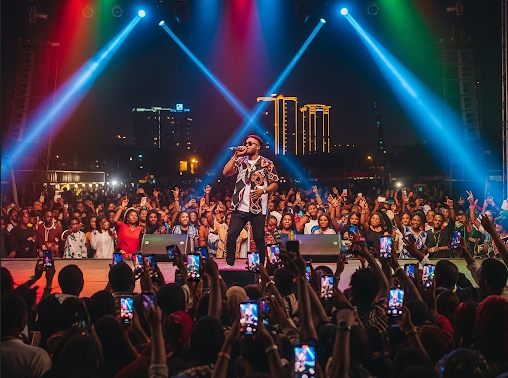
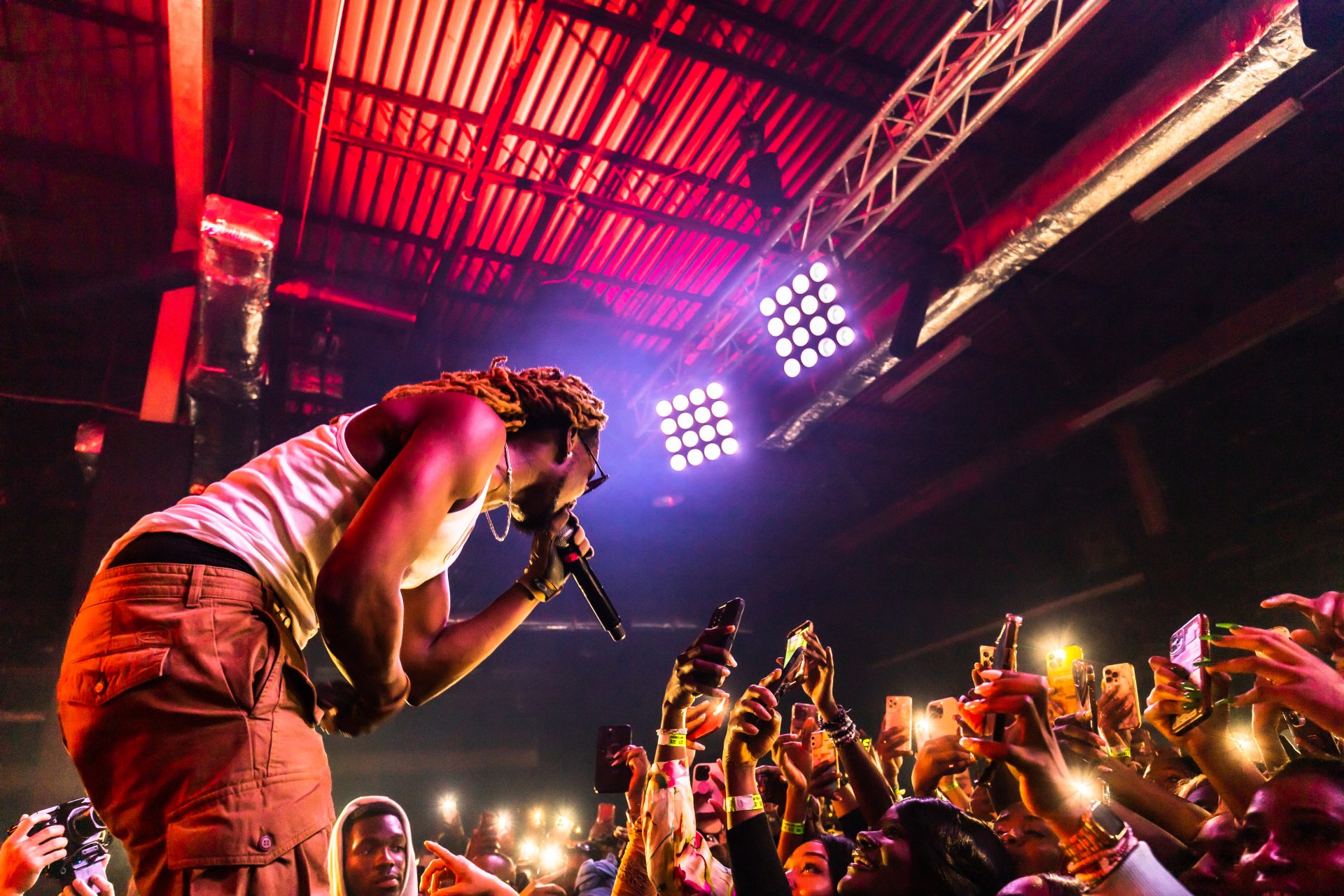
It comes from somebody posting a video from the crowd. A friend changes their WhatsApp display picture to the event artwork. A guest shares photographs after attending. Someone sends the ticket link into a group chat and says, “You people should come for this.”
Those recommendations carry a different kind of weight because they come from people who appear to have a genuine relationship with the event.
That does not mean every attendee should be treated like an unpaid marketing employee.
People bought tickets or registered because they wanted an experience. If you spend the entire event trying to force them to create content, tag sponsors and repost graphics, promotion can quickly begin to feel like work.
The better strategy is to create an event people naturally want to talk about, then make it easy for those who already want to share to do so.
When that works, an audience stops being only the group inside the venue. They become part of how the event reaches the next person who might attend.
People Promote Experiences Before They Promote Brands
Attendees rarely wake up thinking, “How can I help this organiser achieve their marketing objectives today?”
They share because something interested them.
A performance surprised them. The venue looked beautiful. A speaker said something useful. Their outfit looked good in the photographs. They met somebody interesting. The food exceeded expectations. The crowd created a moment worth recording.
This is why attendee promotion starts with the event itself.
If the experience is disappointing, adding a hashtag to the wall will not suddenly create enthusiastic advocacy.
Before thinking about social media tactics, ask what people are likely to remember.
What moment would somebody describe to a friend the following morning? What would make them take out their phone without an MC instructing them to do it? What part of the experience feels specific enough that someone seeing it online would want to know where it happened?
Those questions are more useful than simply asking how to make the event go viral.
Do Not Design the Entire Event Around Being Instagrammable
There is nothing wrong with creating a visually attractive event.
Lighting, décor, stage design and interesting spaces can give attendees natural reasons to take photographs and videos.
The problem begins when the event looks better through a phone screen than it feels in real life.
A beautiful photo wall does not compensate for a terrible entrance. An elaborate stage cannot save poor sound. A venue full of decorative installations will not make guests ignore the fact that they have been waiting for the programme to begin for two hours.
The shareable moment should grow from a good experience rather than replace one.
Think about where photographs are likely to happen naturally. Perhaps the entrance has a strong visual identity. Maybe the stage gives guests an obvious background. A conference might have useful quotes or ideas people want to post because the content itself is valuable.
You do not necessarily need another neon sign telling everybody to take a picture.
Give People a Clear Event Identity to Share
If attendees are going to talk about an event, make it easy for somebody seeing their content to understand what they attended.
Use the event name consistently.
Do not call it one thing on the flyer, shorten it differently on Instagram and use an unrelated hashtag on event day.
If you have a social account for the event or organiser, make the correct handle easy to find. If a hashtag genuinely helps organise public content, keep it short and distinctive enough that people can remember how to spell it.
Brand visibility can be subtle.
The event name appearing naturally in the stage design, entrance area or selected photo locations may be enough. You do not need to cover every available wall with logos.
The goal is that when somebody posts a strong photograph from your event, an interested viewer can work out where it came from.
Make the Event Link Easy to Find Before You Ask People to Share It
Word of mouth becomes less useful when somebody has to search through old Instagram captions to find the ticket link.
Give your event one clear destination.
When somebody asks, “Where can I get tickets?”, the attendee promoting the event should be able to send one link rather than explaining a complicated payment process.
This matters especially inside WhatsApp conversations.
Someone may receive the event from a friend who knows very little about ticket categories, venue rules or programme details. The event page should carry enough information for that interested person to continue without making the original attendee become your customer-support agent.
A clean path from recommendation to event information makes organic promotion much more useful.
Let Supporters Put Themselves Inside the Campaign
One reason personalised event graphics spread well is that they are not only advertising the event.
They are also about the person sharing them.
You may have seen campaigns where attendees, speakers, performers or community members post branded graphics containing their own photograph alongside messages such as “I will be there” or “Meet me at...”
Shows.ng has a dedicated DP Generator that can help with this type of campaign.
A supporter can choose an event-style template, add their own photograph and generate a branded display picture that can be used on WhatsApp, Instagram and other social channels.
This is particularly useful for conferences, church programmes, alumni gatherings, festivals, community events and other experiences where attendees already have some sense of identity around participating.
Instead of sending everybody the same flyer and asking them to repost it, you give people something personalised.
The event remains visible, but the supporter becomes part of the creative rather than simply another distribution channel.
Start the Attendee Promotion Before Event Day
Your guests do not need to wait until they reach the venue before they can become part of the story.
The build-up itself can give people reasons to talk.
Show preparation. Introduce performers or speakers. Share small parts of what is being built without revealing every surprise. Ask relevant questions where audience input genuinely matters.
If people are planning outfits, travelling from another city or attending with friends, those preparations can also become part of the event's social conversation.
For the right event, a branded DP campaign can begin during this stage rather than being introduced when the venue is already open.
People seeing several friends or respected people inside their network associating themselves with the same event may become curious before they ever see a paid advertisement.
That is social proof in a much more natural form.
Give Speakers, Artists and Partners Material They Can Actually Use
Organisers often assume that because a performer, speaker or partner has agreed to participate, they will automatically promote the event aggressively.
Do not assume.
Make sharing easy.
Provide clean graphics in appropriate sizes. Give them the correct event link. Make sure the date, venue and ticket information are accurate. If you want them to use a particular hashtag or account tag, communicate that clearly.
Better still, give them content that feels relevant to their own audience.
A speaker may prefer a graphic focused on their session instead of the general flyer. An artist might share a short video. A fashion designer could post a behind-the-scenes image from preparation.
The easier the material fits naturally into the person's existing content, the less the post feels like an obligation.
Do Not Turn Every Attendee Into an Influencer Campaign
There is a difference between encouraging sharing and trying to control it.
Guests should not need to tag four sponsors, use six hashtags, follow three accounts and upload an Instagram Story before receiving something they were already promised.
That kind of activity may increase the number of mentions temporarily, but it can also make the event feel transactional.
Give people simple options.
If there is a good photo location, let them use it. If there is a DP campaign, make it optional. If the event has a useful hashtag, display it without repeatedly instructing guests to post.
Some of your most valuable attendees may barely use social media.
They can still become strong promoters through conversations, professional networks and direct recommendations.
WhatsApp Promotion Deserves Its Own Attention
Not every useful event recommendation happens publicly.
A large amount of event discovery in Nigeria happens inside private conversations and WhatsApp groups.
Someone sends the flyer into a family group. A colleague drops the ticket link into a work chat. Friends are planning their weekend and somebody suggests your event.
You cannot measure all of that activity easily, but you can make it easier.
Use graphics that remain readable when forwarded. Keep the event name, date and essential information clear. Give people one working link instead of expecting them to forward several screenshots containing different pieces of information.
Branded DPs can also work well on WhatsApp because the promotion remains visible beyond a single Status post. Somebody using an event DP may repeatedly expose the event name to people who already know them.
The important thing is that curiosity has somewhere useful to go next.
Give Attendees Content Quickly Enough to Continue the Conversation
During and immediately after the event, guests often want photographs and videos.
If the official photographer's images arrive three weeks later, much of the immediate excitement may already have disappeared.
This does not mean demanding that photographers deliver an entire edited gallery before sunrise.
Discuss turnaround expectations before event day.
You may arrange for a small selection of strong photographs or short clips to be available relatively quickly while the full gallery follows later.
Those early assets can give attendees fresh material to share while the event is still being discussed.
Make sure the content is easy to access and clearly connected to the event.
If possible, avoid putting enormous intrusive watermarks across people's faces. Branding can still be present without making an otherwise beautiful photograph something the attendee does not want to post.
Recognise Attendee Content Instead of Only Posting Your Own
When people create good content around the event, acknowledge it.
Repost selected attendee photographs or videos where appropriate. Credit the person who created the content. Respond to posts that genuinely capture the experience.
This does two things.
It shows attendees that the organiser is paying attention, and it gives the event's official channels a perspective beyond the professionally edited material coming from the media team.
Sometimes an attendee captures the mood of the event better than an official camera because they were standing inside the experience rather than working around it.
Do not repost everything simply because you were tagged.
Choose content that reflects the event accurately and respect people's ownership of their work.
Rewards Can Encourage Sharing, but They Need a Reason
There are situations where an incentive can help people spread an event.
You might run a genuine giveaway before the event or reward a small number of participants in a campaign. Previous attendees could receive a limited offer to bring friends to a later edition.
Shows.ng allows organisers to create coupons and vouchers for event tickets, including general codes and unique codes with validity and quantity controls.
That gives organisers some flexibility when a discount is genuinely part of the promotion.
For example, you could create a limited code for a particular community partnership or returning-attendee campaign rather than manually changing the public ticket price for everybody.
But be careful about rewarding meaningless posting.
If people are publishing content only because you promised something free, the recommendation may not carry much credibility.
The strongest attendee promoters are usually the people who already believe the event is worth recommending.
An incentive should encourage useful participation, not manufacture fake enthusiasm.
Give People a Reason to Bring Someone Else
One of the clearest forms of attendee promotion happens when someone personally convinces another person to attend.
A previous guest does not need thousands of followers for that recommendation to matter.
If they tell three friends, “I went last time and it was good,” those three people are hearing something the organiser cannot reproduce through advertising.
This is why the previous attendee experience matters so much.
The organiser can provide the ticket link, graphics and promotional material, but the attendee provides credibility.
If the event naturally works better with groups, your marketing can acknowledge that. Encourage people to make plans together rather than treating every ticket purchase as an isolated transaction.
Do not force a referral mechanic into an event that does not need one.
Sometimes simply giving a satisfied attendee a clear announcement and an easy link is enough for them to start inviting people.
Do Not Make People Promote Something They Cannot Explain
If your event concept requires a three-minute voice note before someone understands what it is, word of mouth becomes harder.
People need a simple way to describe the experience.
What is the event? Who is it for? What happens there? Why might somebody care?
A clear positioning helps attendees become better promoters because they do not have to invent the explanation themselves.
This is particularly important for new event concepts.
A person can easily say, “It is a comedy night featuring...” or “It is a conference for...”
If your own marketing cannot summarise the event clearly, expecting attendees to communicate it correctly is unrealistic.
Give the Event a Moment People Will Retell
Not every event needs a surprise celebrity.
Memorable moments can be much smaller.
A speaker may answer a difficult question brilliantly. A performer may create an unexpected audience interaction. A host could recognise someone in the crowd in a way that feels genuine. A product launch may allow guests to experience something they had previously only seen online.
What matters is that the moment belongs to the event.
A gimmick added purely because somebody wants a viral video can feel obvious.
Design the programme for the people in the room first. If something powerful happens and those people want to share it, the resulting content usually feels much more convincing.
The Organiser Should Not Be the Only Account Saying the Event Was Amazing
Post-event marketing often becomes a stream of self-congratulation.
The organiser posts that the event was incredible. Then another graphic says it was unforgettable. Another caption announces that history was made.
Let other perspectives appear.
Share genuine attendee reactions where appropriate. Publish photographs that show people experiencing the event rather than only empty décor before doors opened. Let speakers, performers and partners tell their own stories about what happened.
This gives somebody considering the next edition more than the organiser's own description of their work.
There is a major difference between saying your crowd loved the event and showing evidence of people genuinely participating in it.
Keep the Post-Event Conversation Useful
The event may finish at midnight, but its promotional life does not need to end at midnight.
There may still be photographs, highlight videos, useful quotes, performances and attendee reactions worth sharing over the following days.
Spread that content naturally.
Do not upload everything within two hours and disappear.
A conference may continue sharing ideas from sessions. A fashion event can spotlight individual designers. A concert may publish different performance moments. A food event can continue featuring the vendors and dishes people enjoyed.
This extends the life of the experience and gives attendees new reasons to repost or discuss it.
It also allows people who did not attend to understand what they missed without the organiser needing to say “You missed out” in every caption.
Use Attendee Messaging When There Is Something Worth Sharing
Social media is useful, but it should not be your only route back to people who already registered for an event.
Shows.ng allows organisers to send email messages to attendees from the event's attendee section.
That can support post-event promotion when used thoughtfully.
You might send a thank-you message containing the official photo link. A conference could share useful material from the sessions. An organiser could let attendees know when a highlight video has been published.
You can see the process in the Shows.ng guide to messaging event attendees.
The purpose is not to repeatedly ask people to promote you.
Give them something they genuinely want to receive, and make sharing an easy possibility rather than an obligation.
Your Previous Attendees Can Be Powerful Promoters of the Next Edition
The most valuable attendee promotion may not happen around the event they already attended.
It may happen when the next one is announced.
Someone who experienced the previous edition can speak from experience.
Instead of saying, “This looks like it will be good,” they can say, “I went last time.”
That changes the recommendation.
When the next edition becomes available, reconnect with previous attendees appropriately. Show what is returning, what is changing and why the new event deserves another visit.
If a new DP campaign is available, returning attendees who already identify with the event may be among the most natural people to use it.
If there is a relevant returning-attendee offer, a controlled coupon can support it.
But remember that the strongest promotional asset is still their previous experience.
Do Not Confuse Promotion With Loyalty
Somebody may post your event ten times and never attend again.
Another guest may barely use social media but buy a ticket to every edition and repeatedly bring friends.
The second person may be much more valuable to the long-term health of the event.
Attendee promotion and attendee loyalty overlap, but they are not the same thing.
This article is about making it easier for people to spread the word. If your bigger challenge is getting first-time guests to return themselves, our guide on turning first-time attendees into loyal guests looks specifically at retention and repeat attendance.
Do not judge advocacy only through Instagram mentions.
Listen for referrals, returning groups and people who repeatedly bring new attendees into the event.
Measure What Attendee Promotion Actually Changes
Not every hashtag mention needs to produce a ticket immediately.
Awareness has value.
But if attendee-led promotion is a deliberate part of your event strategy, look beyond how many people posted.
Did the event link receive more attention during the campaign? Did ticket sales move when a group of speakers or supporters began sharing? Did previous guests bring new people to the next edition?
Where you use controlled coupon campaigns, unique codes can also help separate particular promotions rather than changing the public ticket price for everybody.
Avoid pretending that every purchase has one perfectly identifiable source. Someone may see an attendee's post, later encounter your Instagram advert and finally buy after a friend sends the link.
Promotion often works through several touches.
The goal is to understand enough to decide which attendee-led activities are worth repeating.
Never Ask Attendees to Say Something They Do Not Believe
This is the line organisers should protect.
You can provide graphics. You can suggest hashtags. You can offer a DP generator, organise a giveaway or make the event easy to share.
What you should not do is try to manufacture testimonials and enthusiasm that people do not genuinely feel.
If attendees are being rewarded for a particular promotional action, make that relationship clear where appropriate rather than pretending every message appeared spontaneously.
Trust is much harder to rebuild than reach.
A smaller amount of genuine advocacy from people who actually enjoyed the event is worth more than a wall of identical captions nobody believes.
Give People Something Worth Putting Their Reputation Behind
Whenever somebody recommends an event to a friend, they are taking a small reputational risk.
If they convince five friends to buy tickets and the event is badly organised, those friends remember who persuaded them to come.
That is why genuine attendee promotion has value.
The person is effectively saying, “I think this is worth your time.”
Earn that confidence.
Create the best event you reasonably can. Communicate clearly. Make ticket information easy to share. Give attendees visual assets such as personalised event DPs when they want them. Release useful post-event content while the experience is still fresh, and keep previous guests connected when there is something relevant to tell them.
Then allow enthusiasm to travel through the people who actually felt it.
If you are preparing your next event, you can create your event on Shows.ng, give attendees one clear event page to share and use tools such as the Shows.ng DP Generator when you want supporters to become part of the visual campaign themselves.
The goal is not to convince every attendee to advertise your event. It is to create an experience good enough that recommending it feels natural, then remove the friction between wanting to share and actually doing it.