In this article
- People Cannot Perform a Role They Do Not Clearly Understand
- Train People Around the Actual Event They Are About to Work
- Walk the Venue With the Team Before Guests See It
- Guest Service Is Part of Event Training Too
- Staff Need to Know How Problems Move Up the Chain
- Communication Should Be Designed Before the Noise Starts
- Practice the Moments Where Mistakes Would Hurt Most
- Train for Changes, Not Just for the Perfect Schedule
- Do Not Forget the People Working the Longest Hours
- The Training Should Not End When the Event Ends
- A Well-Trained Team Makes the Organiser Less Visible
You can hire twenty people for an event and still feel like you are working alone.
The ushers are waiting for instructions every five minutes, the ticket team does not know where VIP guests should go, security is asking the organiser about every unusual situation and someone from the production crew is trying to find out whether the next speaker has arrived. Everyone is technically present, but the team has not been prepared to make the event move without constantly depending on one person.
That is the difference training makes.
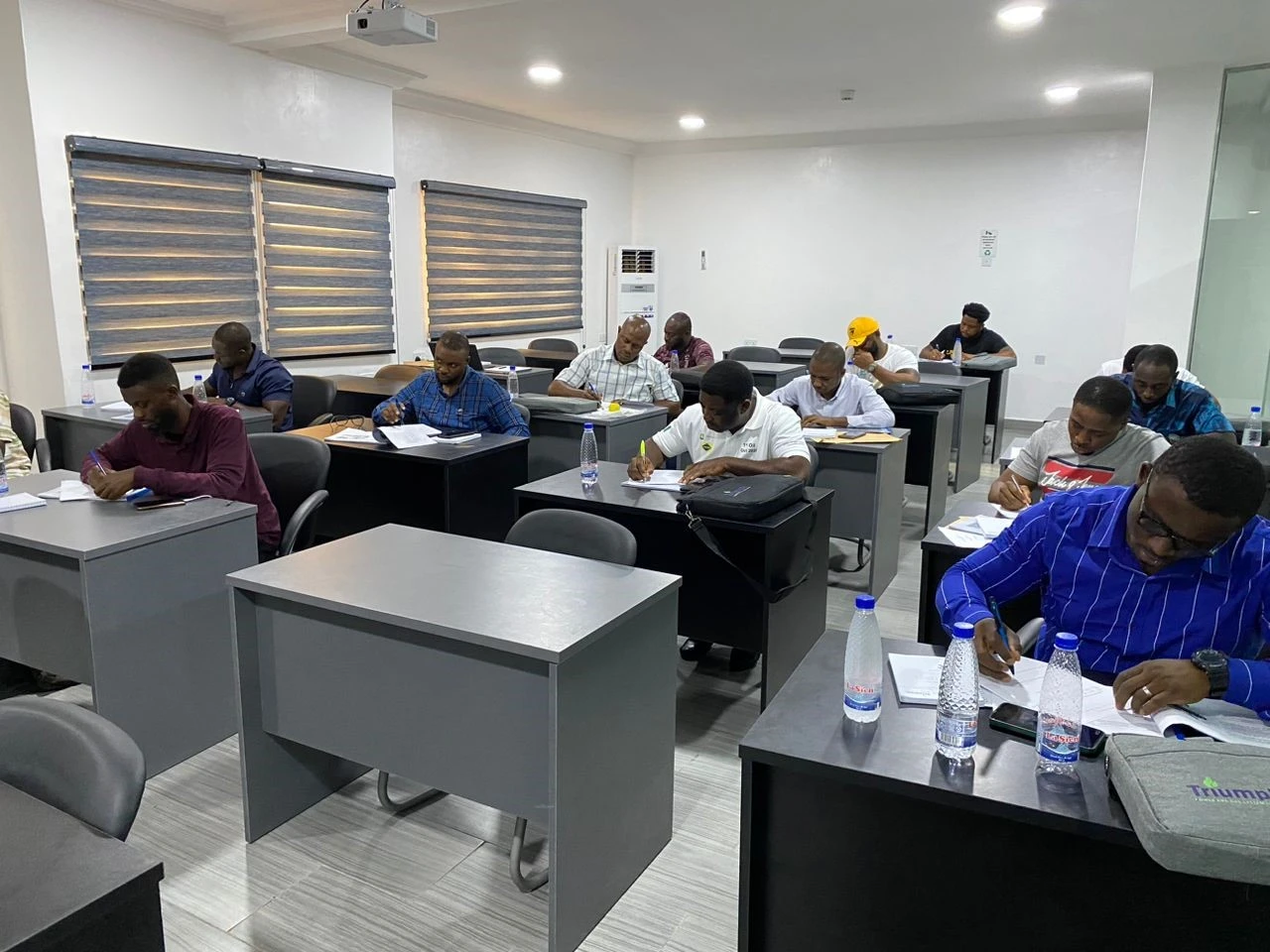
Training event staff does not mean putting everyone in a room and giving them a long motivational speech the night before the event. It means making sure each person understands their responsibility, how their work connects with everyone else's, what standards you expect and what they should do when the event stops following the perfect plan.
Whether you are organising a wedding, conference, concert, church programme, festival or private celebration, a properly prepared team gives you something extremely valuable on event day: fewer decisions that need to come back to you.
People Cannot Perform a Role They Do Not Clearly Understand
Staff training should begin with responsibilities, because vague roles create confusion very quickly.
Telling someone they are part of the "event support team" does not explain what they should actually be doing when guests begin arriving. Are they helping with registration? Directing people to seats? Supporting speakers? Managing vendors? Watching a restricted entrance?
Each person should understand the area they are responsible for, who they report to and which decisions they are allowed to make themselves.
This becomes particularly important when several teams are working beside each other. An usher may be responsible for helping a guest find the correct section, but they should know when an issue needs to move to security. A ticket scanner may be able to identify that a ticket is not validating, but somebody else should be responsible for investigating unusual booking problems so the entire entry line does not stop.
Security should know which areas require special access. Protocol staff should know which guests they are responsible for receiving. Production staff should understand who can approve programme changes. Nobody needs to know every detail of everybody else's job, but everyone should understand where their own responsibility begins and where it ends.
Write those roles down before the briefing. If you are still deciding what positions the event actually needs, our guide on how to build a reliable event team covers the team structure itself in more detail. The current Shows.ng team guide similarly emphasises assigning people according to their strengths and maintaining clear communication across the event crew.
Train People Around the Actual Event They Are About to Work
Generic training has limited value if nobody explains what is unusual about this particular event.
A person who has worked as an usher at ten weddings may still need a completely different briefing before working at a business conference. Someone experienced with small private events may need additional preparation before joining the gate team at a large concert.
Use the real event when you train.
Explain the expected attendance, venue layout, programme, ticket categories, important guests, restricted areas and any part of the day likely to create pressure. If there is a VIP entrance, show the team where it is. If speakers will wait in a particular holding area, identify it. If guests will need wristbands after their tickets are scanned, demonstrate exactly how that process should work.
Think about situations that are likely to happen as well. A guest arrives without being able to find their ticket. Someone insists they were personally invited by the organiser. A VIP arrives earlier than expected. A person is sitting in the wrong section and refuses to move. A child becomes separated from a parent. A performer wants to bring additional people backstage.
Instead of leaving staff to invent responses under pressure, discuss how the event wants those situations handled.
That does not mean scripting every sentence. It means giving people enough guidance to make sensible decisions while maintaining a consistent standard across the team.
Walk the Venue With the Team Before Guests See It
A briefing becomes far more useful when people can connect instructions to the actual space.
If possible, take key staff around the venue before doors open. Show them the main entrance, alternative entrances, toilets, emergency exits, VIP areas, backstage routes, medical point, registration area and any location guests are likely to ask about.
An usher should not learn where the toilet is because the first guest asked and they had to ask somebody else.
The walkthrough also helps identify problems the planning team may have missed. Perhaps two directional signs are not enough. Maybe guests leaving registration will naturally walk towards the wrong entrance. The VIP route might cross the main queue. Staff may realise that a supposedly restricted area can easily be entered from another side.
These observations are easier to fix before the event begins.
For larger venues, let staff physically stand at their assigned positions during the walkthrough. People understand responsibilities differently when they can see where the crowd will approach from and who will be working beside them.
The same walkthrough should include emergency exits and evacuation routes. Even if a staff member is not part of the security team, they should know enough about the venue to avoid directing guests towards danger during an emergency.
Guest Service Is Part of Event Training Too
An event team is often the most visible expression of the organiser's brand.
A guest may never meet the planner, promoter or person who spent six months building the event. They will meet the person at registration. They will speak to the usher trying to find their seat. They may interact with security or ask a staff member where to get help.
Those interactions shape how organised the entire event feels.
Train staff to communicate clearly and respectfully, particularly when somebody is frustrated. Event-day pressure is not a licence to argue with guests. At the same time, good customer service does not mean staff should agree to every request simply because someone is speaking loudly.
A useful staff member can remain polite while still enforcing the event's rules.
If a guest has the wrong ticket category, explain what the ticket allows and direct them to whoever can help if they want an upgrade. If someone is attempting to enter a restricted area, tell them clearly that access is limited instead of becoming confrontational immediately. If the situation escalates beyond the staff member's responsibility, they should already know who to call.
This balance is particularly important for ushers and front-of-house teams because they spend so much time interacting directly with attendees. Shows.ng has a separate guide on how ushers, security and support staff affect the guest experience, which complements the training process by looking more closely at what those roles contribute during the event.
Staff Need to Know How Problems Move Up the Chain
One of the fastest ways to overwhelm an event organiser is to make them the answer to every question.
The generator technician needs approval, so they call you. An usher has a seating disagreement, so they call you. Someone cannot find a ticket, so they call you. A vendor wants to change setup, so they call you. Security wants confirmation about a guest, so they call you.
Within an hour, you have become the event's customer service desk, operations manager and emergency hotline.
Training should establish an escalation structure before that happens.
A member of the registration team may report to a registration supervisor. Ushers may have a lead coordinator. Security officers may report to their own supervisor, who communicates with event management when necessary. Production issues may move through the stage or production manager rather than directly to the organiser.
The exact structure depends on the size of the event. A birthday party for eighty people does not require five management levels, while a large concert should not have sixty staff members reporting directly to one coordinator.
The important thing is that people know where to take a problem.
They should also understand what deserves escalation. A guest asking for directions does not need a supervisor. Someone trying to force entry with an invalid ticket might. A minor delay in food service may need the catering coordinator, while a medical emergency requires immediate action through the appropriate emergency process.
This keeps small issues small and gets serious issues to the right people faster.
Communication Should Be Designed Before the Noise Starts
An event team cannot coordinate if everybody is relying on shouting across the venue or calling one person repeatedly.
Decide how communication will work before guests arrive.
For smaller events, a dedicated WhatsApp group and phone calls may be enough. Larger events may require radios for key operational staff because trying to hear a phone in front of concert speakers is not much of a communication system.
The tool matters less than the structure.
Staff should know which information belongs in the group and which problems need direct communication. If every minor observation becomes twenty WhatsApp messages, important updates disappear inside noise. If nobody reports anything because they assume the coordinator will notice, problems can grow quietly.
Keep messages short and specific during the live event. Instead of saying, "There is a problem at the gate," explain what is happening and what support is required. Instead of announcing that a speaker is late to everyone on the team, communicate it first to the people whose responsibilities are affected.
Your event run sheet can help here because it gives key staff the same understanding of what should be happening and what is coming next. Our guide on how to create an event run sheet explains how to connect time, activities and responsibility so the team is not constantly asking what happens next. The existing Shows.ng run-sheet article specifically focuses on keeping the MC, DJ, performers and event team aligned during execution.
Practice the Moments Where Mistakes Would Hurt Most
Not every event needs a full theatrical rehearsal, but important operational processes should be tested before they happen with real guests.
The entrance is an obvious example.
If you are expecting hundreds or thousands of attendees, let the gate team practise the check-in process. One person can act as a normal guest, another as someone whose ticket does not validate and another as a VIP who arrived at the wrong entrance. You will quickly discover whether people understand the process or are simply nodding during the briefing.
The same applies to stage movement. If several speakers or performers need to move through backstage areas, make sure the people responsible understand where everyone should wait and how they are called forward.
At a wedding, rehearsal may focus on entrances, family movements and major programme moments. At a conference, it may include microphones, presentations and speaker transitions. At a concert, production teams may need far more extensive sound checks and stage preparation.
Practice also reveals whether the plan itself is unrealistic.
You may discover that checking one ticket takes longer than expected, making the number of scanning points insufficient. Moving a VIP from one part of the venue to another may take five minutes rather than the one minute written into the programme. The photographer may need a different position to capture an important entrance.
Those are useful discoveries when the audience is not there yet.
Train for Changes, Not Just for the Perfect Schedule
Events move.
A performer can be delayed in traffic. Rain can affect an outdoor programme. Food may arrive late. A speaker can suddenly need ten more minutes. Power can fail. A large group of guests may arrive simultaneously even though registrations suggested arrival would be spread out.
A team trained only to follow the original plan can become helpless the moment that plan changes.
Staff should understand that changes are normal, but changes still need authority and communication. They should not independently rearrange major parts of the event simply because something feels delayed.
If the programme changes, identify who makes that decision and how the people affected will hear about it. If the main entrance becomes overcrowded, staff should know whether another entrance can be opened and who has authority to approve that. If weather creates a safety issue, there should already be a process for moving guests or pausing activities.
This is particularly important around security and emergencies. Staff should know that genuine safety incidents are not moments for improvisation or social media updates. They should follow the event's emergency procedure, communicate through the agreed channels and allow trained personnel to handle responsibilities outside their role.
Our event security planning guide covers the wider preparation around entrances, crowd movement, medical response and emergency routes.
Do Not Forget the People Working the Longest Hours
Efficiency is difficult when staff are exhausted, hungry and have been standing in one position since early morning.
If somebody needs to work for a long period, plan reasonable breaks and make sure the team has access to water and food where appropriate. This is not just about being kind to staff. Fatigue affects attention, communication and patience, which can become particularly noticeable in guest-facing roles.
Think about uniforms and identification as well. Staff should be easy for guests to recognise, but whatever they are wearing should still make sense for the work and venue. Someone expected to move equipment or stand outdoors for several hours has different practical needs from a protocol officer working inside an air-conditioned conference room.
Brief people on arrival time and expected closing time honestly. If staff need to remain after guests leave for breakdown or final checks, they should know that before accepting the assignment rather than discovering at midnight that their work is not finished.
Small operational considerations affect morale. People are more likely to stay focused when they feel that the organisers planned for them as carefully as they planned for the audience.
The Training Should Not End When the Event Ends
Every event gives your team another training opportunity.
Once everything is over, review what happened while people can still remember it clearly. Ask where staff felt confused, which processes worked well and what situations appeared that nobody had prepared for.
You may discover that the ticket team needed one more supervisor, that ushers were repeatedly asked a question nobody had included in the briefing or that communication became difficult once the venue filled up.
Use those lessons the next time.
This is especially valuable when you work repeatedly with the same people. Instead of training from zero for every event, the team gradually builds shared experience. They understand your standards, recognise common problems and become capable of taking more responsibility without being told every small thing.
Recognition matters here too. Thank people who performed well. If one staff member handled a difficult guest professionally or solved an operational problem without creating more confusion, let them know you noticed. Good event workers are valuable, and organisers who consistently treat them well find it much easier to build teams they can trust again.
A Well-Trained Team Makes the Organiser Less Visible
This may sound strange, but one sign of a strong event team is that the organiser does not need to be everywhere.
You should not have to leave a sponsor conversation because someone cannot find the toilets. You should not be called to the gate every time a guest has a ticket question. You should not personally tell the photographer that the next programme moment is starting if somebody else has been assigned to manage that communication.
Your job is to maintain oversight and handle the decisions that genuinely require you.
Training is what gives other people enough information and confidence to handle everything else.
Before event day, make responsibilities clear, walk staff through the venue, practise the processes that matter most and explain how communication and escalation will work. Teach the team how you want guests treated, but also give them clear boundaries so professionalism does not become saying yes to every demand.
Then review the event afterwards and carry those lessons into the next one.
When you are ready to publish that next event, you can create your event on Shows.ng and let your trained team concentrate on delivering the experience once guests arrive.
The goal of staff training is not to make everyone wait for instructions more efficiently. It is to prepare people well enough that they already know what to do when the event gets busy.