In this article
- Planning for Children Means Planning for the Parents Too
- Young Audiences Notice When an Event Is Trying Too Hard
- Adults Usually Notice Convenience Before They Notice the Decoration
- Mixed-Age Events Need More Than a Compromise
- The Way You Communicate Should Match the Audience
- Do Not Confuse Age With Personality
- Plan for the People Who Will Actually Be in the Room
You can plan an excellent event and still get the audience completely wrong.
A venue that feels exciting to a group of university students may be exhausting for older guests. A three-hour programme that adults happily sit through can become a battle of patience when children are involved. A networking dinner designed for professionals will naturally require a different pace from a youth festival where people expect movement, music and social interaction.
This is why knowing the number of people attending is not enough. You also need to understand who those people are.
Age is only one part of that picture, but it affects almost everything from the venue and programme to the food, music, communication style, security and even the time your event should end. The goal is not to stereotype every generation. It is to recognise that different stages of life create different expectations and practical needs.
If you are planning an event in Nigeria for children, young people, adults or a mixture of all three, the experience becomes much easier to design once you stop asking, "What do people like?" and start asking, "What will make this particular audience comfortable, interested and willing to stay?"
Planning for Children Means Planning for the Parents Too
A children's event actually has two audiences. The children need to enjoy themselves, while the adults responsible for them need to feel that the environment is safe, organised and worth the effort of bringing them.
That changes the way you plan.
A children's birthday, school fun day or family festival may need colour and entertainment, but the more important question is whether the activities match the children's ages. A three-year-old and an eleven-year-old are both children, but they will not enjoy exactly the same programme. Younger children may be happier with short, simple activities and plenty of movement, while older children can handle games, competitions and experiences that require more attention.
The timing matters as well. A programme that begins late in the evening may be perfectly normal for an adult celebration but much less practical for young children. Long gaps between activities are also more noticeable when your audience has limited patience. If a magician, game host or entertainer is supposed to appear, do not leave children sitting around for forty minutes because the programme is running behind.
Food should be easy to eat, familiar enough for the age group and served at a sensible point in the programme. Decorations and activities also need to be considered from a safety perspective. An attractive setup is not successful if small children can easily pull something heavy over, reach exposed cables or wander out of the activity area unnoticed.
This is where staffing becomes important. Adults supervising children should understand their role rather than assuming every parent is watching every child at all times. For a larger children's event, the organisers need a clear idea of where children can go, who can collect them and what happens if a child becomes separated from their parent or guardian.
Parents notice these things. An organised arrival, clear supervision and easy-to-find facilities may influence how they feel about the event more than an expensive backdrop ever will.
If the event is a birthday celebration, our guide on planning a memorable birthday party in Nigeria goes deeper into balancing the venue, food, entertainment and guest experience.
Young Audiences Notice When an Event Is Trying Too Hard
Planning for teenagers and young adults can be tricky because organisers sometimes confuse being youthful with throwing every trend into the same room.
A neon sign, TikTok hashtag and popular DJ do not automatically make an event relevant.
Younger audiences are often very good at recognising when an experience feels forced. The more useful starting point is to understand the community you are speaking to. A youth entrepreneurship conference, university party, gaming event and spoken-word night may attract people in a similar age range, but the reasons they attend are completely different.
Social interaction is usually important. People want opportunities to meet friends, make new connections and feel part of what is happening rather than spending the entire event as passive spectators. That does not mean every event needs games and dance competitions. It means the programme should give the audience some way to participate.
For a conference, that could mean questions, breakout conversations or networking time. For a creative event, it may be performances and interactive sessions. For a party or festival, the energy of the music, layout and shared experience becomes much more important.
The venue should make sense for how the audience will use it. Young people attending a music event may care more about the sound, atmosphere and ease of moving around than formal table settings. A career event may need places where people can actually have conversations instead of shouting over background music.
Price matters too. An event aimed largely at students cannot ignore what students can realistically afford. Early ticket categories, group purchases or carefully chosen pricing can sometimes make attendance easier without reducing the perceived value of the experience.
Promotion should also happen where the audience already spends time. A beautiful printed poster may contribute to the campaign, but if the audience discovers events through Instagram, TikTok, WhatsApp and recommendations from friends, the digital campaign needs to reflect that behaviour.
Shows.ng has previously shared lessons from a packed youth conference in Nigeria, including the importance of relevant programming, social media and starting on time. Those lessons are useful because youth events work best when organisers build around what the audience actually values instead of assuming young people only want entertainment.
There is another important distinction here: a thirteen-year-old and a twenty-five-year-old should not automatically be treated as the same kind of attendee. Once minors are involved, supervision, age restrictions, alcohol access and guardian expectations need to be considered much more carefully. The event may look youthful across the board, but the safety responsibilities are not identical.
Adults Usually Notice Convenience Before They Notice the Decoration
As audiences become older, comfort and convenience often become more important, although there is no single definition of an “adult event.” A 28-year-old attending a nightclub, a 45-year-old attending a professional conference and a 70-year-old attending an anniversary celebration clearly have different expectations.
What they often share is a lower tolerance for avoidable inconvenience.
If parking is confusing, the air conditioning is poor, the programme begins two hours late or there is nowhere comfortable to sit, people notice. They may still enjoy the event, but those practical frustrations become part of the memory.
This is why venue choice becomes so important. Accessibility, seating, toilets, temperature, sound level and ease of reaching the location deserve as much thought as aesthetics. Shows.ng's venue-planning guide makes a similar point: capacity, location and guest comfort should be considered before choosing a space simply because it photographs well.
The programme should respect people's time too. A business audience may enjoy networking but become frustrated by an event that keeps them sitting through unnecessary speeches. Guests at an anniversary or milestone birthday may want enough structure to understand what is happening without feeling that the celebration has turned into a seminar.
Food also carries different expectations depending on the occasion. A professional morning event may work well with light refreshments, while a long evening celebration may leave guests unhappy if they are still waiting for food several hours after arriving. The question is not simply whether food exists. It is whether the service fits the timing and style of the event.
For older adults, accessibility deserves even more attention. Long walking distances, steep stairs, poor lighting and nowhere to sit can quietly exclude people who would otherwise enjoy the event. If your audience includes elderly family members or guests with mobility needs, make sure the route from arrival to seating does not feel like an obstacle course.
Good planning allows different adults to experience the same event comfortably without making age the centre of the entire design.
Mixed-Age Events Need More Than a Compromise
Some of the most difficult events to plan are the ones where everybody is invited.
Weddings, church programmes, festivals, family celebrations and community events may bring toddlers, teenagers, young professionals, parents and grandparents into the same venue. Trying to create one identical experience for everyone usually produces something nobody completely enjoys.
A better approach is to think in layers.
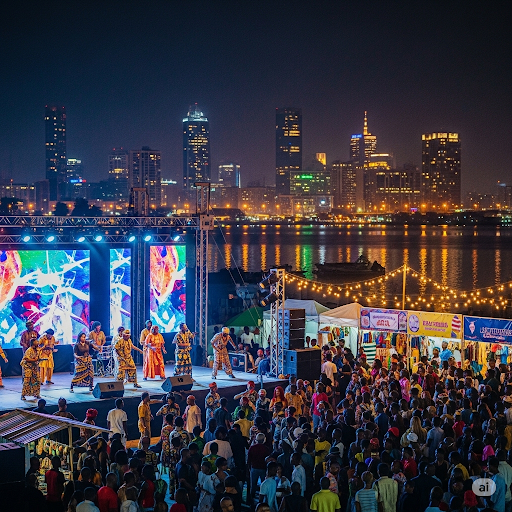
The main event can remain shared while different parts of the experience serve different needs. A wedding reception may have a general programme everyone can enjoy while the music changes as the evening progresses. A family festival can have children's activities in one area while adults have somewhere comfortable to sit and socialise. A community programme can create enough variety that younger attendees do not feel trapped at an “old people's event” while older guests do not feel as though the entire day was designed for social media.
Music is a good example. A mixed-age Nigerian audience may respond better when the DJ understands how to move between generations rather than spending the whole night inside one current trend. The same thinking applies to food and entertainment. Variety becomes useful when it is intentional, not when organisers simply add everything they can think of.
The layout can help too. If children need room to play, placing that space directly beside a quiet networking area creates unnecessary conflict. If an event includes loud entertainment later in the day, guests who prefer a calmer environment may appreciate another place where conversation is still possible.
This is also where good event staff earn their value. Ushers and support staff can guide different guests towards the areas, seating and services that suit them rather than expecting every attendee to figure everything out alone. Our guide on how ushers, security and support staff improve an event explains why these roles affect the guest experience long before something goes wrong.
The Way You Communicate Should Match the Audience
Event planning does not begin at the venue. The audience experiences your communication long before they arrive.
For parents bringing children, practical information may matter more than hype. They may want to know what time the event ends, whether food is included, what children should wear and whether an adult needs to remain on site.
A young audience may respond better to short video content, social proof and clear reasons why the event will be worth showing up for. A professional audience may want a strong programme, credible speakers and enough information to justify giving up part of their working day.
The same event description should not necessarily be copied into every promotional channel without adjustment.
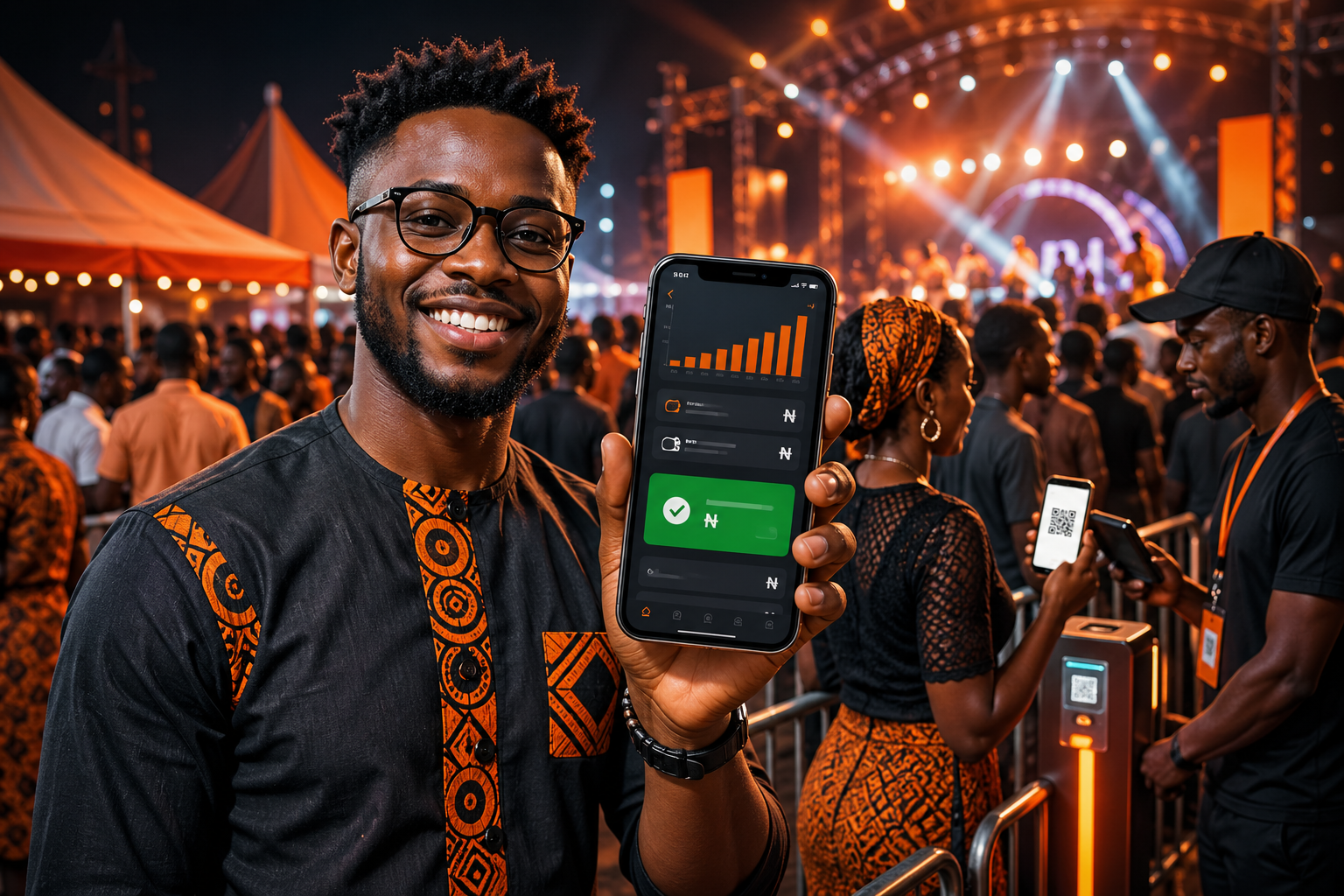
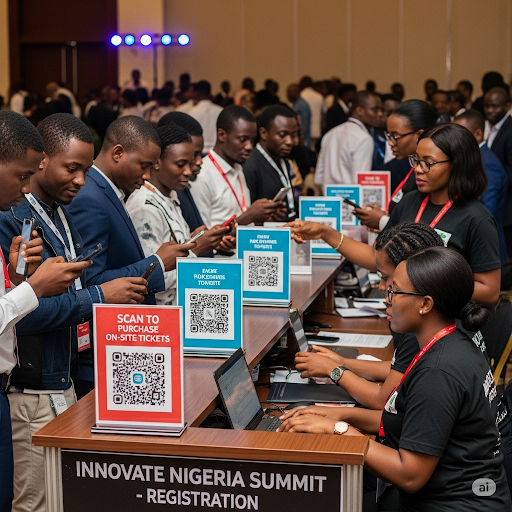
This also applies to tickets and registration. Younger guests who are used to completing purchases on their phones will expect a straightforward digital process. Older guests may still appreciate clear instructions and visible contact information if they need assistance. The technology can remain the same while the explanation changes.
Shows.ng allows organisers to publish an event and manage online ticketing or registrations, which can be useful across different audience types. The more important planning decision is how clearly you explain that process to the people you expect to use it.
Do Not Confuse Age With Personality
Age can guide planning, but it should never become a shortcut for assuming everyone in a group behaves the same way.
Not every young person wants loud music. Not every older adult wants a formal event. Children can enjoy educational experiences, and adults can spend an entire afternoon playing games. The purpose of considering age is not to reduce people to stereotypes. It is to notice practical differences that influence how an event feels.
The strongest planners go one step further and think about lifestyle, interests, culture and why the audience is attending.
A group of 35-year-old entrepreneurs attending a startup retreat may behave very differently from a group of 35-year-olds attending a school reunion. They are the same age, but the occasion changes what they expect.
This is why audience research should begin with the event's purpose. Ask what people should feel, learn or experience and then consider what might make that easy or difficult for the particular group attending.
Plan for the People Who Will Actually Be in the Room
The easiest event to plan badly is the one designed around an imaginary audience.
You assume children will entertain themselves. You assume young people will attend because the flyer looks trendy. You assume adults want an expensive venue. You assume older guests will simply adjust to whatever everyone else is doing.
Good events replace those assumptions with deliberate choices.
Think about attention span, comfort, mobility, budget, safety, social interaction and what the audience came to experience. Then use those answers to shape the venue, timing, programme and communication.
If several generations will attend, do not force everyone into the same experience simply for convenience. Create enough flexibility for different people to enjoy the event in their own way while still feeling part of the same occasion.
And if you are still working through the fundamentals, our broader guide on planning a successful event in Nigeria can help you connect the audience decisions with your budget, venue and overall event purpose.
If the event requires registrations or tickets, you can also create your event on Shows.ng and give attendees one clear place to find the details and book their place.
The best event for any age group is not the one that follows a formula. It is the one that makes the people in the room feel like somebody actually planned with them in mind.