In this article
- Start by Deciding What “Premium” Means for This Event
- A Smaller Guest List Can Make the Same Budget Feel Much Bigger
- Choose a Venue That Is Already Doing Some of the Work
- Stop Trying to Decorate Every Corner
- Lighting Can Change a Room More Than Another Decoration Package
- Food Feels Premium When It Is Good and Properly Managed
- You Do Not Need the Most Expensive Entertainment in the City
- Do Not Squeeze Vendors Until Quality Becomes the Sacrifice
- Spend Less on Things Guests Take Home and More on What They Experience There
- Smooth Organisation Is One of the Cheapest Forms of Luxury
- Digital Details Can Make a Small Event Feel More Organised
- Have Enough People to Run the Event Properly
- Leave Some Money Unspent Until You Actually Need It
- Do Not Pretend the Event Cost More Than It Did
- Premium Is Usually the Result of Editing
A premium event does not have to announce how much money was spent on it.
Guests usually experience quality in much simpler ways. The venue feels comfortable rather than overcrowded. The decoration looks intentional instead of excessive. Food arrives when people are ready to eat. The music suits the room. Staff know what they are doing, and there are fewer moments where everybody is standing around wondering what happens next.
That is good news when you are planning an event in Nigeria with a limited budget, because many of the things that make an event feel expensive are actually decisions rather than expenses.
You may not have the money for an enormous ballroom, celebrity entertainment, elaborate floral installations and a production setup worthy of a major awards show. You can still organise a birthday, wedding, corporate gathering, launch, dinner or private celebration that feels considered and polished.
The secret is not trying to make a small budget look like a huge one. It is knowing where people will notice quality and refusing to waste money on things that do not improve the experience.
Start by Deciding What “Premium” Means for This Event
Premium does not always mean luxury.
A small garden dinner can feel premium because it is intimate, beautifully lit and carefully hosted. A business event can feel premium because registration is smooth, the venue is comfortable and the programme respects people's time. A birthday can feel premium because the music is excellent, the food is good and every detail feels connected to the personality of the celebrant.
Before spending anything, decide what you want guests to feel.
If the answer is elegant, your decisions may lean towards simplicity, good lighting and a controlled colour palette. If you want the event to feel energetic, music, layout and entertainment may deserve more of the budget. If intimacy is the goal, you may be better served by a smaller guest list and a more interesting venue than a large hall with half the seats empty.
This becomes your filter when new expenses appear.
When someone suggests another decorative feature, ask whether it supports the experience you decided to create. When a vendor proposes an upgrade, ask whether guests will actually feel the difference. A budget becomes easier to protect when you know which parts of the event matter most.
A Smaller Guest List Can Make the Same Budget Feel Much Bigger
Guest count affects almost every major event expense.
More people means more food, more drinks, more chairs, a larger venue, additional tables, more security and potentially more staff. That is why reducing attendance can sometimes improve the event more dramatically than negotiating another ₦20,000 from a decorator.
Imagine having enough budget to feed 150 people properly or 300 people poorly. Inviting 300 people does not automatically make the event more impressive if half the guests are uncomfortable and catering runs out before everyone has eaten.
For private events, be honest about who genuinely needs to be there. You do not need to invite everyone you have spoken to since secondary school simply because Nigerian celebrations can come with social pressure around invitations.
A tighter guest list can allow you to choose a better space, improve the menu and give the room enough breathing space to feel intentional rather than crowded.
The same thinking applies to professional events. A well-curated workshop for 80 people can sometimes create more value than a conference for 400 people where the organiser cannot afford the production or staffing required to support the crowd properly.
Choose a Venue That Is Already Doing Some of the Work
A cheap empty venue can become expensive once you start trying to transform it.
If the room needs extensive draping, lighting, furniture, cooling, power and decoration before it looks presentable, the low rental fee may not be saving you very much.
Look for spaces that already have character or useful infrastructure.
A restaurant with a private section may already provide furniture and ambience for a dinner. A well-maintained garden may need only thoughtful seating and evening lighting. A stylish home or courtyard can work for an intimate celebration without requiring the transformation of an entire event hall. A small rooftop may give you a city backdrop that would cost a lot to recreate artificially.
The existing look of the venue becomes part of your decoration budget.
Always calculate what is included before comparing spaces. A venue that costs slightly more but comes with chairs, tables, reliable power and good cooling can be better value than a cheaper location where every one of those things has to be rented separately.
Shows.ng has a separate guide on unique event venues beyond traditional hotels and halls if you want inspiration for spaces where the location itself can contribute to the atmosphere.
Stop Trying to Decorate Every Corner
One of the easiest ways to make a budget event look like a budget event is trying to do too much with too little.
When there is not enough money to execute ten decorative ideas properly, the room can quickly become a collection of small elements competing for attention. A stronger approach is to choose one or two areas where the visual impact matters most and execute them well.
Your entrance may deserve attention because it creates the first impression. The stage or main backdrop may appear in most photographs. A beautifully arranged dining area could become the visual centre of an intimate event.
Once you identify those areas, let the rest of the venue remain simpler.
Consistency also makes inexpensive materials look more considered. If the colours, typography, signage, table details and digital invitations feel connected, the event begins to look like one idea rather than several unrelated purchases.
You do not need seven colours because each vendor had something available in a different shade. You do not need flowers, balloons, neon signs, drapes and artificial greenery competing inside the same small room.
Restraint can look far more expensive than excess.
Lighting Can Change a Room More Than Another Decoration Package
People often think about decoration before lighting, but lighting changes how almost everything else looks.
A simple room under harsh white lighting can feel ordinary even after money has been spent decorating it. The same room with warmer, more deliberate lighting can become much more inviting.
For an evening event, think about which areas actually need visual emphasis. The stage, tables, entrance or main feature may benefit from stronger attention while the rest of the room remains softer.
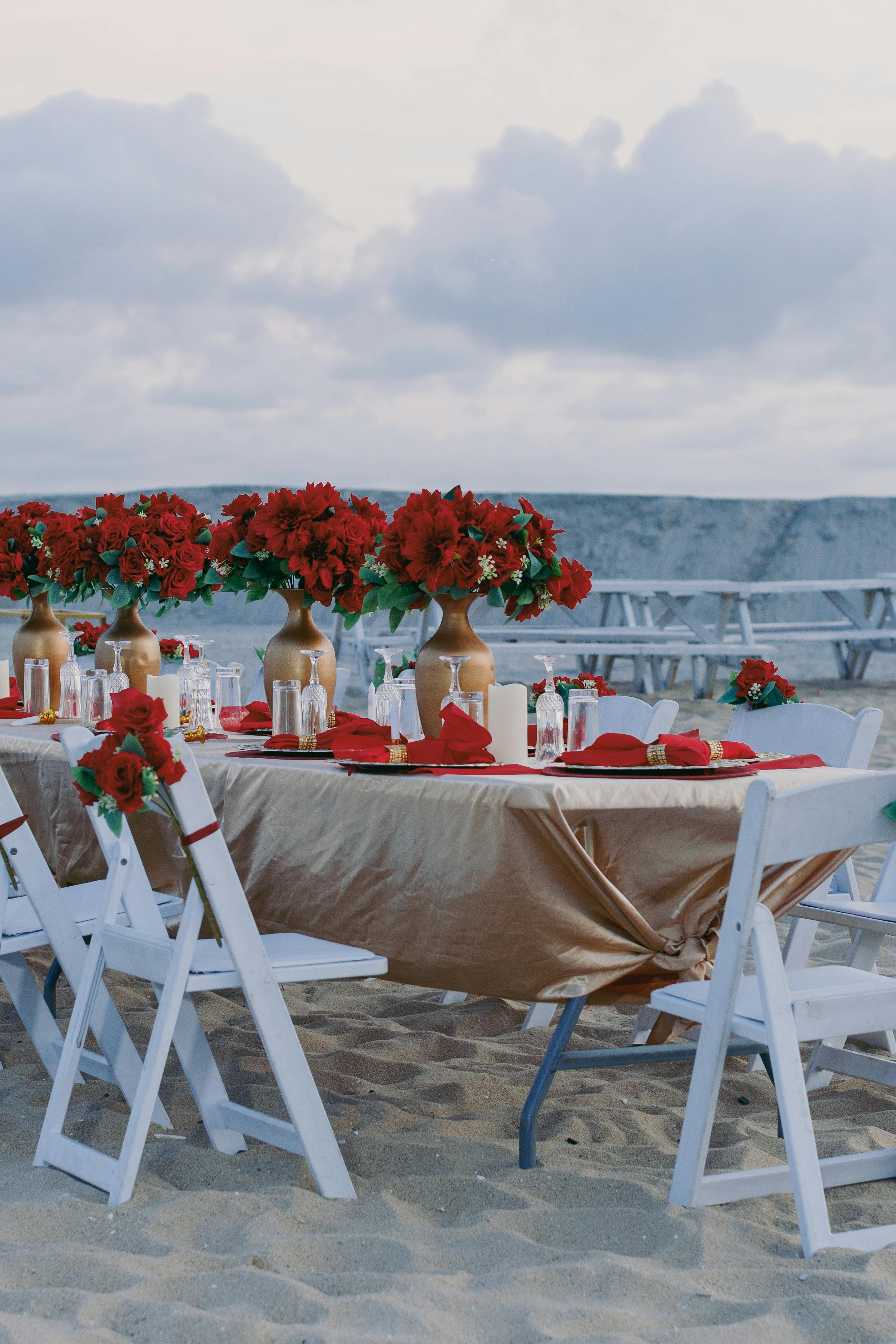
Candles or safe battery-powered alternatives can work in intimate settings. Existing venue lighting can sometimes be adjusted instead of hiring an elaborate production package. Outdoor spaces may use simple string or ambient lighting effectively when the concept supports it.
The point is not to make everywhere dark so the venue looks mysterious. Guests still need to see their food, move safely and recognise the people they came with.
Good lighting supports the mood while remaining practical.
Food Feels Premium When It Is Good and Properly Managed
Guests are much more likely to remember waiting two hours for food than the fact that the centrepieces were imported.
If the budget is tight, consider simplifying the menu instead of trying to offer too many options at a lower standard. A smaller selection of food prepared and served well can create a better impression than an ambitious menu that arrives cold, runs out early or causes long queues.
Think about the style of the event too.
A small cocktail event may not need the same kind of meal service as a six-hour wedding reception. An afternoon workshop may work perfectly well with thoughtfully selected refreshments. A birthday dinner can invest in a more focused dining experience because food is one of the main parts of the evening.
Presentation helps, but service matters just as much.
If guests have to chase waiters around the room or stand in a chaotic queue, an expensive menu will still feel poorly organised. Work with the caterer on timing, quantity and how people will actually receive the food.
Premium is not always what is on the plate. Sometimes it is simply the fact that the plate arrived when it should have.
You Do Not Need the Most Expensive Entertainment in the City
A celebrity performance can consume a huge part of an event budget, but a high fee does not automatically create the right atmosphere.
Entertainment should fit the crowd.
A skilled DJ who understands the audience can carry a birthday or social event extremely well without the organiser booking a major artist. A live acoustic performer can transform an intimate dinner without requiring full concert production. At a professional gathering, a strong host may be more valuable than adding entertainment simply because people expect something to happen between sessions.
Spend where the entertainment influences the experience.
If music is central to the event, do not hire the cheapest available DJ and then spend heavily on decorative souvenirs. If entertainment is secondary, do not allow it to consume money needed for food, seating or sound.
The same principle applies to MCs. A good host can make a modest programme feel organised and engaging. A poor one can make even an expensive event feel longer than it actually is.
Do Not Squeeze Vendors Until Quality Becomes the Sacrifice
Negotiating is part of event planning, especially when the budget is limited. But there is a difference between negotiating intelligently and forcing a vendor into a price where they can no longer deliver the standard you expect.
Instead of only asking, "What is your last price?", talk about scope.
If the decorator's full proposal is too expensive, ask what can be removed while protecting the strongest part of the design. If a photographer's complete package is outside your budget, perhaps you need fewer hours of coverage rather than somebody inexperienced covering the entire day cheaply.
This gives you a better chance of retaining quality where it matters.
Collect different quotations and understand what each one includes. The cheapest price may exclude transport, setup, power or other costs that appear later.
Your broader event budget should also have some room for changes. Shows.ng's guide on budgeting for an event in Nigeria makes the same important point: unexpected costs are normal, so spending every available naira before event day leaves you with nowhere to move when something changes.
Spend Less on Things Guests Take Home and More on What They Experience There
Souvenirs can be meaningful, particularly for certain Nigerian celebrations, but they can also become a surprisingly large expense when organisers feel that every attendee must leave with something customised.
If your budget is already under pressure, ask whether that money would improve the event more somewhere else.
Would guests rather receive another branded item or have better food? Would an expensive party favour be more memorable than improving the sound? Would printed material add real value, or could some information be shared digitally?
This is not an argument against souvenirs. If they are culturally important to the event or genuinely useful to guests, keep them. The point is to stop treating every traditional expense as compulsory regardless of the budget.
An event feels premium when the choices feel deliberate, not when money has been spread thinly across every possible category.
Smooth Organisation Is One of the Cheapest Forms of Luxury
There are premium experiences that cost almost nothing.
Starting reasonably close to the advertised time costs less than keeping hundreds of guests waiting. Clear directions cost less than letting people call the organiser repeatedly because they cannot find the venue. Having ushers who know where guests should sit can matter more than another decorative installation.
This is where planning becomes part of presentation.
Create a clear programme or run sheet for the people working behind the scenes. Confirm vendor arrival times. Make sure whoever is controlling music understands the important moments. Decide who handles guest problems so every question does not come back to the host.
If the event has a formal programme, our guide on creating an event run sheet can help you coordinate those moments without turning the day into constant improvisation.
Guests often describe a well-organised event as classy without consciously connecting that feeling to operations.
They simply notice that things work.
Digital Details Can Make a Small Event Feel More Organised
You do not necessarily need to spend heavily printing invitations, tickets and guest lists to make the event feel professional.
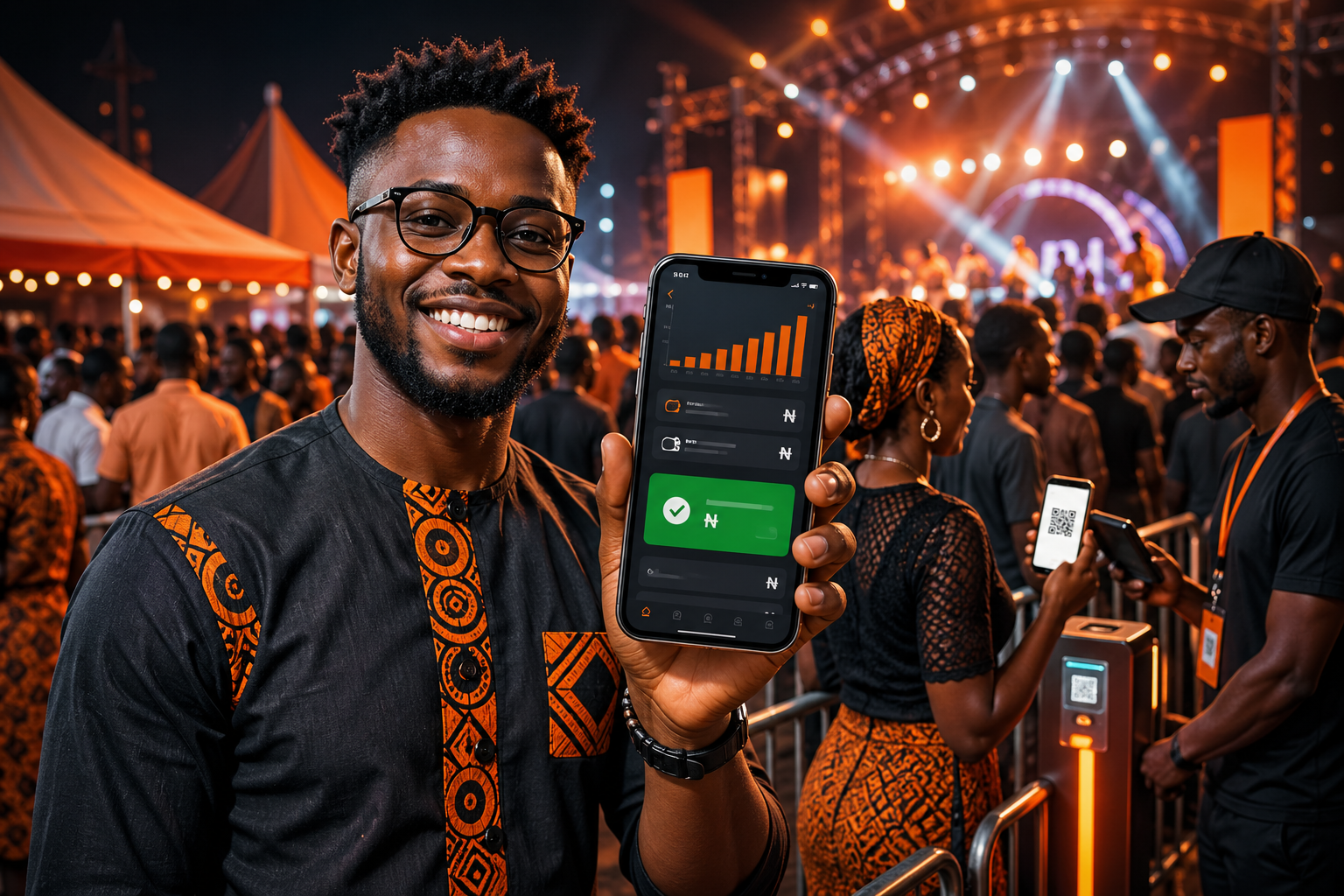
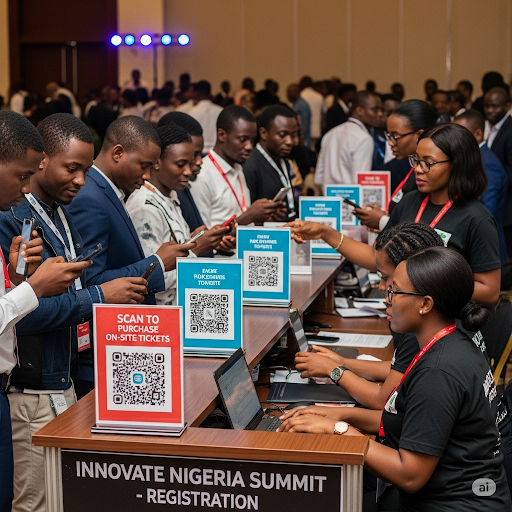
A clean digital invitation can communicate the date, location, timing and dress information clearly. For events requiring registrations or tickets, using a defined booking process is often cleaner than collecting transfers and attendee details through several WhatsApp chats.
This matters even for a relatively small event because organisation affects perception.
If guests know where to find the event information, what time to arrive and what they need for entry, the experience begins more smoothly before anybody reaches the venue.
If you are planning a public or ticketed event, you can create your event on Shows.ng and give attendees one event page for the essential information and ticket or registration process.
Have Enough People to Run the Event Properly
Saving money by removing every member of the event team can become expensive in a different way.
If guests are arriving and nobody knows where to direct them, the event feels disorganised. If the planner is personally handling registration, calling the caterer and trying to cue the DJ at the same time, important things will eventually be missed.
You do not necessarily need a large staff.
For a smaller event, a few dependable people with clear responsibilities may be enough. One person can oversee guest arrival, another can coordinate vendors and somebody else can handle the programme or practical support.
The key is not the number of people wearing uniforms. It is whether the important responsibilities have an owner.
That becomes particularly valuable when something changes. A vendor arrives late or a guest has an unusual request, and the entire event does not need to stop while everybody waits for one exhausted organiser to solve it.
Leave Some Money Unspent Until You Actually Need It
A tight budget becomes much tighter when every naira has already been committed.
Prices can change. Transport can cost more than expected. Guest numbers may move. A vendor may need something that was not included in the original conversation. Power or weather can create additional requirements.
Keep a buffer instead of using the final part of your budget on another decorative extra simply because the money appears available.
This also gives you decision-making freedom close to event day.
If everything is going well, you may eventually use part of that buffer to improve something. But if a genuine operational problem appears, you can solve it without borrowing money or cancelling something essential.
Financial breathing room is far more premium behind the scenes than discovering the day before your event that the account is empty.
Do Not Pretend the Event Cost More Than It Did
There is a difference between making an affordable event feel polished and desperately trying to convince guests that it was expensive.
The second approach usually leads to unnecessary spending.
You book a venue that is too large because you want people to be impressed. You add decorative elements because another event had them. You upgrade things that were already perfectly suitable. Suddenly the event is no longer low-budget because too much money has been spent chasing the appearance of wealth.
Confidence is part of good event design.
A small room can feel intimate rather than cheap. A short menu can feel curated rather than limited. Minimal decoration can feel elegant when the colours, lighting and layout are considered carefully.
You do not have to apologise for the scale of the event.
Make the scale feel intentional.
Premium Is Usually the Result of Editing
When the budget is limited, the instinct can be to find cheaper versions of everything that would appear at a much larger event.
A better strategy is often to remove some things completely and spend properly on what remains.
Choose a venue that already gives you atmosphere. Invite the number of people you can host comfortably. Give the decoration one or two strong focal points instead of trying to transform every wall. Protect the food, sound and guest comfort. Organise the programme properly and work with vendors whose quality you trust.
The result may be simpler than an event with ten times the budget, but simple does not have to mean ordinary.
Guests respond to consistency. When the venue, lighting, food, music and organisation feel like parts of the same idea, the event feels considered. When every decision is trying separately to look expensive, the result can feel much less refined.
If you are preparing your next gathering, start with the money you genuinely have rather than the event you wish you could afford. Build the strongest experience possible inside that reality and leave yourself enough breathing room to handle the unexpected.
When the plan is ready, you can create your event on Shows.ng and give attendees a clear place to find the details and register or purchase tickets where applicable.
A premium event is not the one where guests can calculate how much you spent. It is the one where nothing important feels neglected.