In this article
- Start by Looking at the Actual Event and Audience
- Give Guests Useful Information Before They Arrive
- Make Entry Secure Without Making It Humiliating
- Clean, Private Toilets Are Basic Event Infrastructure
- Menstrual Products Can Be a Thoughtful Backup, Not the Centre of the Strategy
- Lighting Matters Inside and Outside the Venue
- Create a Real Process for Reporting Harassment
- Train Staff Not to Dismiss Concerns
- Do Not Wait for the Crowd to Become Dangerous Before Managing It
- Make It Easy for Someone to Leave a Crowded Area
- Provide Seating According to the Event, Not According to Gender
- Think About Alcohol Service and Guests Who Become Unwell
- Support Parents Without Treating Childcare as a Women's Issue
- Respect Attendees' Privacy When Taking Photos and Video
- Think About the Journey Home Before the Event Ends
- Do Not Advertise Transport as “Safe” Unless You Control What That Means
- Dress Codes Should Be Clear, Consistent and Respectful
- Representation Matters, but It Is Not a Safety Feature
- Ask Women About Their Experience Instead of Assuming You Got It Right
- Do Not Promise That Nothing Bad Can Happen
- Female Guests Should Not Need Special Treatment to Receive Basic Respect
Making an event more comfortable for women is not about creating a pink corner, adding mirrors to the toilets or assuming every female attendee wants the same thing.
It begins with something much more practical.
Can someone arrive without feeling vulnerable around a dark entrance? Are the toilets clean, private and usable throughout the event? If an attendee is harassed, does she know who to approach? Will staff take the complaint seriously? Can people move through crowded areas safely? Is leaving the venue at night something the organiser has thought about at all?
Those questions matter more than decorative gestures.
Women are not one audience with one set of preferences. A university student attending a concert, a pregnant guest at a wedding, a senior executive at a conference and a mother attending a family programme may need very different things.
The organiser's job is not to predict what every woman wants.
It is to remove avoidable discomfort, design sensible safety procedures and create an environment where people are treated with dignity when they need assistance.
Start by Looking at the Actual Event and Audience
A female-attendee plan should come from the event you are organising rather than a generic checklist.
A daytime professional conference in a hotel creates different concerns from a standing concert ending after midnight. An outdoor festival has different toilet, lighting and crowd requirements from an intimate private dinner.
Think about the age range of attendees, the time of day, transport around the venue, expected crowd size, whether alcohol is being served, how long guests will remain onsite and which areas could become isolated or congested.
Then look at the venue itself.
Walk from the likely arrival point to the entrance. Walk from the main event area to the toilets. Walk from the exit towards the car park or pickup point. If the event will finish after dark, assess those routes after dark rather than only during an afternoon site visit.
Comfort and safety problems often become obvious when you experience the venue from the attendee's route rather than the organiser's desk.
Give Guests Useful Information Before They Arrive
Uncertainty creates unnecessary stress.
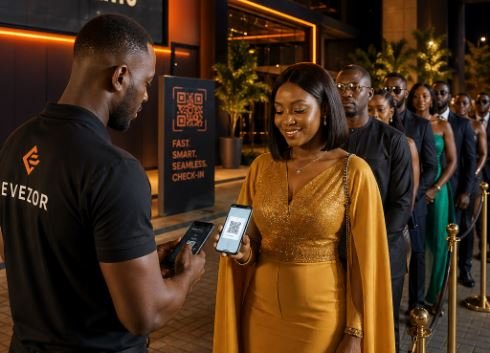
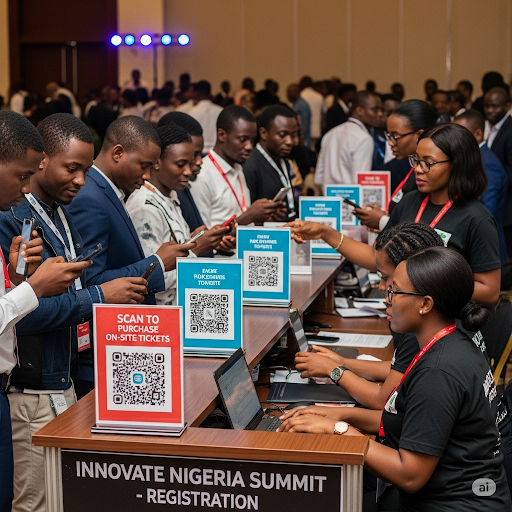
Tell attendees which entrance to use, when doors open and where parking or pickup arrangements are located where relevant.
If the venue has an unusual access route, communicate it. If large bags are prohibited, say so beforehand. If identification is genuinely required, attendees should not discover that only after reaching security.
The same applies to dress codes.
If an event has a meaningful dress requirement, describe it clearly enough that people can make an informed choice before leaving home. Avoid vague standards that become an excuse for staff to make arbitrary judgements about women's clothing at the gate.
If something important changes after people have registered, communicate it directly rather than relying only on a social post they may never see.
Shows.ng currently allows organisers to email the attendees attached to a particular event. The attendee messaging feature can therefore be useful for important arrival, entrance or transport updates.
Make Entry Secure Without Making It Humiliating
Security checks may be appropriate depending on the event.
They should still be conducted professionally.
Brief staff on what they are checking, which items are prohibited and what should happen when somebody has a ticket or access problem. Avoid shouting instructions unnecessarily or treating ordinary attendees as though they have already done something wrong.
Sensitive searches need particular care, privacy and suitably trained personnel according to the event's procedures and applicable requirements.
If a guest raises a concern about how she is being searched or treated, there should be an appropriate supervisor or escalation route rather than forcing the argument to continue in front of a crowded queue.
Good access control should protect guests without making the entrance itself feel threatening.
Clean, Private Toilets Are Basic Event Infrastructure
Toilets are not a minor hospitality detail.
They can have a significant effect on how comfortable somebody feels remaining at an event for several hours.
Make sure the facilities are appropriate for the expected attendance, properly lit, supplied with water where the facility requires it, stocked with soap and tissue, and checked throughout the programme.
Privacy matters too.
Doors and locks should work. Sanitary disposal facilities should be available where appropriate. Problems should be corrected during the event rather than waiting until the cleaners arrive afterwards.
For outdoor events or temporary venues, toilet provision deserves early planning because bringing in additional facilities at the last minute can be difficult.
The important point is not creating a luxurious women's washroom.
It is making sure basic sanitation remains usable from the first attendee's arrival until the final guests leave.
Menstrual Products Can Be a Thoughtful Backup, Not the Centre of the Strategy
Providing a small emergency supply of sanitary products can be useful at longer events.
It does not require a heavily branded “Ladies' Care Corner” unless that concept genuinely fits the event.
A discreet supply available through the restroom, welfare point or another appropriate place may be more useful.
If you provide menstrual products, make them easy enough to access without requiring someone to publicly explain why she needs one.
The same principle applies to simple practical items such as tissues or hand sanitiser.
These are useful contingencies.
They should not distract from getting the fundamentals right.
Lighting Matters Inside and Outside the Venue
A beautifully lit stage does not compensate for a dark route to the car park.
Check entrances, exits, stairs, toilets, pedestrian paths, parking areas and pickup points.
Event-safety guidance identifies inadequately lit pedestrian routes as a hazard and recommends sufficient lighting for people moving around and leaving event sites safely.
This is particularly important when an event begins in daylight and ends after dark.
An organiser who inspected the venue at 2pm may not realise that the route between the hall and parking area becomes poorly lit by 9pm.
Lighting does not need to destroy the atmosphere.
A concert or nightlife event can remain visually dramatic while major walkways and exits are still safe to use.
Create a Real Process for Reporting Harassment
“Tell security if anything happens” is not much of a system.
Decide who can receive a complaint and what happens afterwards.
Staff should know where to send someone reporting unwanted touching, persistent harassment, threatening behaviour or another serious concern.
The attendee should not be required to confront the person she is reporting in order to be believed.
Where possible, give her somewhere calmer to explain what happened and determine what assistance is needed.
Depending on the seriousness of the incident, the response may involve removing somebody from an area, contacting senior event management, seeking medical assistance or escalating to the appropriate authorities.
What matters is that front-line staff know there is a process rather than improvising one while the guest waits.
Train Staff Not to Dismiss Concerns
A reporting process fails when the first person approached responds with, “He was only joking,” or “Just ignore him.”
Staff do not need to decide the entire case immediately.
They do need to listen, avoid unnecessary confrontation and know who should handle the matter next.
This is one reason event staff need more than instructions about where to stand.
Brief security, ushers, registration staff and other relevant teams on expected behaviour and escalation.
Female staff members can sometimes give attendees another comfortable option for raising a sensitive concern, but simply employing women is not a substitute for training the whole team.
Do Not Wait for the Crowd to Become Dangerous Before Managing It
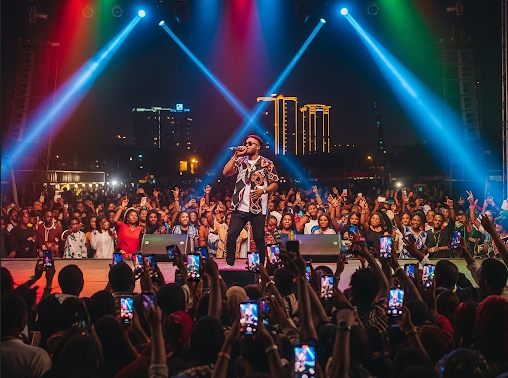
Women do not experience crowd pressure through some completely different physical system, but dense crowds can create additional discomfort where unwanted physical contact becomes difficult to distinguish, movement is restricted or somebody cannot easily leave an area that feels unsafe.
Monitor queues, standing areas, popular attractions, food points and other places where people concentrate.
General event-safety guidance emphasises monitoring not only the overall crowd size but also how people are distributed through different parts of the venue.
If an area is becoming too dense, intervene early.
That may mean redirecting arrivals, opening another route, adjusting a queue or temporarily slowing access to one section.
The organiser-focused guide on keeping attendees safe without killing the vibe goes deeper into security and crowd-management design.
Make It Easy for Someone to Leave a Crowded Area
Some guests will want to stand close to a stage.
Others will decide after ten minutes that they need more space.
Your crowd layout should not punish them for changing their mind.
Avoid arrangements where people in a standing section have no obvious way of moving towards a less dense area.
Keep important routes clear of decorative installations, vendor queues and unnecessary furniture.
Staff should also know what to do when somebody feels faint, overwhelmed or otherwise needs assistance getting out of a crowded section.
Comfort includes having the ability to change where you are.
Provide Seating According to the Event, Not According to Gender
The existing version of this article suggests seating because women may be pregnant, elderly or wearing heels.
That frames a general comfort issue too narrowly.
If your audience will be standing for a long period, consider whether some resting areas make sense for anyone who needs them.
That may include pregnant attendees, older guests, people with disabilities, someone recovering from an injury or simply a person who cannot comfortably remain standing for several hours.
For outdoor events, shade may be equally important.
Good event design creates reasonable options without requiring somebody to justify why they need to sit down.
Think About Alcohol Service and Guests Who Become Unwell
Where alcohol is served, staff should understand that intoxication can affect judgement, balance and behaviour.
Provide easy access to water and avoid creating an environment where obviously vulnerable attendees are simply ignored.
If somebody suddenly becomes unusually confused, weak, disorientated or otherwise unwell, treat the situation seriously rather than assuming she has simply had too much to drink.
Staff should know where medical or welfare assistance can be found.
If a guest says she believes someone interfered with her drink or she feels unexpectedly unwell, help her reach appropriate assistance and a safe person or place.
Do not turn the response into an interrogation about why she left a drink unattended.
Support Parents Without Treating Childcare as a Women's Issue
If your event is specifically designed to welcome families, think about what parents and caregivers may need.
That could include baby-changing facilities, somewhere appropriate for feeding an infant or clear information about whether children are permitted in particular areas.
Those responsibilities should not automatically be framed as services only for mothers.
Fathers and other caregivers may need them too.
If the event is not designed for children, communicate that clearly rather than creating expectations the venue cannot safely meet.
Respect Attendees' Privacy When Taking Photos and Video
Events are photographed heavily, and general event photography can be part of the experience.
That does not mean every guest wants a camera pushed into her face.
Brief photographers and content teams to work professionally.
Where close-up interviews, testimonials or deliberately staged content are involved, asking before turning somebody into the subject is a better approach than assuming attendance equals enthusiasm for every type of content.
Be particularly cautious around sensitive situations, medical incidents or somebody reporting a problem.
Not everything that happens at the event needs to become content.
Think About the Journey Home Before the Event Ends
Transport is one of the most important areas in which event timing changes the experience.
A venue that is easy to reach at 4pm may feel very different when hundreds of people leave at 11:30pm.
Assess the route between the venue and parking or pickup areas. Keep important routes lit. Where the event is large enough to require traffic or parking management, plan it with the venue and relevant providers or authorities rather than allowing vehicles and pedestrians to improvise around one another.
If you designate a pickup point, communicate it clearly.
Do not encourage guests to stand immediately outside the main exit waiting for vehicles while hundreds of other people are trying to leave.
Where useful, give attendees information that helps them make their own transport arrangements before the programme finishes.
Do Not Advertise Transport as “Safe” Unless You Control What That Means
The old version of this article suggests coordinating with “trusted transport providers”.
An organiser needs to be careful with that language.
If you formally arrange transport, understand who is providing it, what responsibility the organiser has taken on and how attendees are expected to use the service.
If you are simply telling guests that ride-hailing services or public transport operate in the area, say that.
Do not imply that an outside transport option has been vetted, guaranteed or supervised by your event unless it actually has.
Dress Codes Should Be Clear, Consistent and Respectful
An event can have a dress code.
The problem is not the existence of a dress code.
Problems arise when the requirement is vague, announced late or enforced selectively and publicly.
Explain meaningful restrictions before attendance.
If somebody arrives with a genuine dress-code issue, handle the conversation professionally rather than humiliating the guest at the entrance.
A security guard's personal opinion about what a woman should be wearing is not the same thing as an event policy.
If appearance genuinely affects entry, staff need a clear standard to follow.
Representation Matters, but It Is Not a Safety Feature
The existing article recommends female MCs, DJs, performers and speakers as part of making women comfortable.
Representation can absolutely strengthen an event when the programme benefits from broader perspectives and a wider range of talent.
But booking a female DJ does not make dark parking safer.
A panel containing women does not replace a harassment-reporting process.
Treat representation as an important programming decision in its own right rather than using it as evidence that the event has solved women's safety and comfort.
The two issues can support one another, but they are not interchangeable.
Ask Women About Their Experience Instead of Assuming You Got It Right
The organising team will not notice everything.
Perhaps the toilets were excellent but the route towards them felt isolated. Security may believe entry was professional while several guests experienced it differently. Parking may have seemed straightforward to organisers who arrived before dark but uncomfortable to attendees leaving late.
Collect feedback.
Ask specific questions about areas you can improve rather than simply asking whether people “felt safe”.
You might ask about entry, staff behaviour, lighting, facilities, movement around the venue or the departure experience where those things are relevant.
Our guide on collecting attendee feedback effectively explains how to ask questions without pushing people towards the answer you want.
Do Not Promise That Nothing Bad Can Happen
No responsible organiser can guarantee that an attendee will never experience harassment, theft, illness or another problem.
What you can do is reduce foreseeable risks and prepare a better response when something happens.
Choose a venue appropriate for the audience. Keep toilets and important routes usable. Provide suitable lighting. Manage crowd density and entry professionally. Train staff to handle concerns and make sure someone has authority to act when an issue is escalated.
Think about the experience of leaving as carefully as the experience of arriving.
Then communicate important information so attendees can make informed decisions of their own.
Female Guests Should Not Need Special Treatment to Receive Basic Respect
The strongest version of a female-attendee strategy is not a collection of pink amenities.
It is an event where women can use clean facilities, move around the venue, ask for assistance, report inappropriate behaviour and leave without the organising team treating those needs as unusual requests.
Thoughtful extras can still be valuable. Emergency menstrual products may help. A feeding space may make sense for a family-focused event. Additional seating may be appropriate for a long programme.
But start with the fundamentals.
For Shows.ng events, the attendee messaging feature gives organisers a direct email route for important arrival, access or departure information when something changes before the event.
When your wider event plan is ready, you can create your event on Shows.ng and build the ticketing and communication around an experience that has already been designed with guest dignity and safety in mind.
Making an event better for women is not about guessing what women want. It is about removing the avoidable situations that make any guest feel ignored, exposed or unable to get help when it matters.