In this article
- Start With Risk, Not With How Many Security Guards You Can Afford
- Professional Security Should Know How to De-escalate, Not Only How to Look Intimidating
- Brief Security and Hospitality Staff as One Event Team
- Make the Entrance Efficient Enough That Security Does Not Become the Problem
- Tell Guests About Security Rules Before They Reach Security
- Keep Searches Professional and Proportionate
- Use Digital Ticket Verification to Reduce Unnecessary Gate Arguments
- Security Should Not Be Responsible for Solving Every Ticket Problem
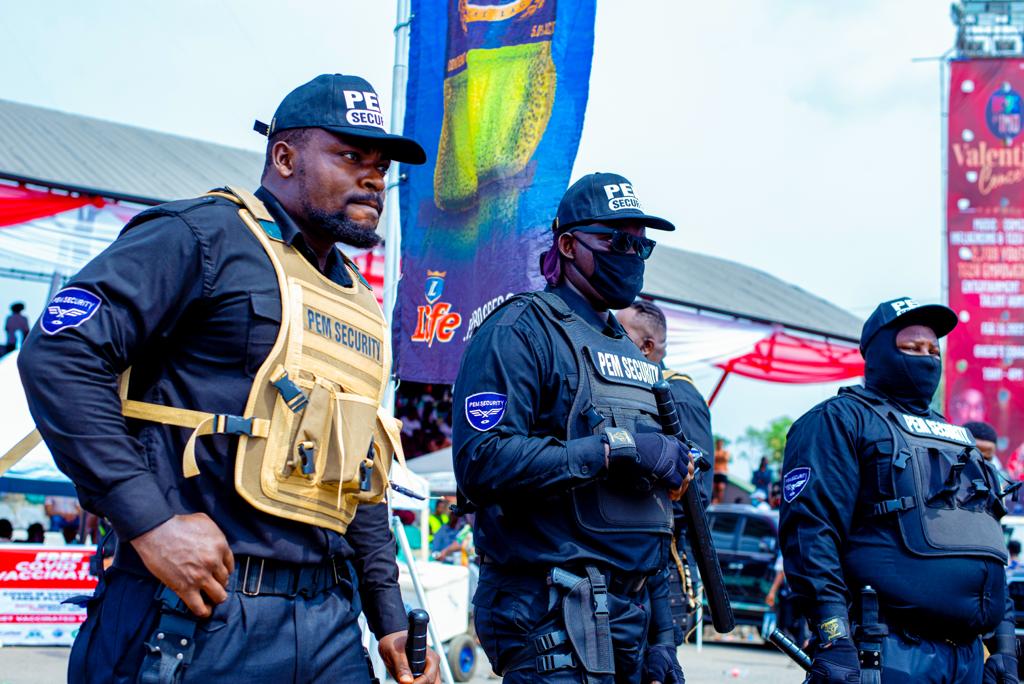
- Visible Security Should Be Easy to Identify and Easy to Approach
- Do Not Turn VIP Protection Into a Poor Experience for Everybody Else
- Think About Harassment as a Safety Issue, Not Merely Bad Behaviour
- Security Lighting Can Improve Safety Without Making the Venue Ugly
- A Security Plan Has to Include the Car Park and the Journey Out
- Crowd Management Should Feel Like Guidance Before It Feels Like Control
- Monitor Where People Actually Gather, Not Only Where You Expected Them to Gather
- Do Not Oversell the Space and Expect Security to Fix Capacity
- Medical Readiness Should Be Easy to Find Without Dominating the Event
- Do Not Use the MC as Your Entire Emergency Communication Plan
- Attendees Should Know About Important Changes Before Reaching the Venue
- A Backup Plan Should Protect the Experience, Not Merely Keep the Programme Running
- Be Careful With Surveillance and Attendee Privacy
- Security Staff Need Breaks Too
- Prepare for People With Different Access Needs
- Review Incidents Without Turning Every Unusual Event Into a New Restriction
- Ask Guests Whether Safety Measures Made Sense
- The Safest Event Does Not Need to Look Like a Fortress
Guests should feel that your event is secure.
They should not necessarily feel surrounded by security.
There is an important difference.
An entrance filled with shouting, unnecessary confrontation, confusing searches and security personnel treating every attendee like a suspect can make an event feel tense before the programme even begins.
But the opposite approach is not better.
An organiser who avoids visible safety measures because they want the event to feel relaxed can create serious problems when the crowd becomes larger than expected, an unauthorised person enters a restricted area or an emergency requires a coordinated response.
Good event security sits between those extremes.
It protects people without becoming the main experience. It controls access without creating unnecessary humiliation. It prepares for emergencies without making guests spend the entire evening thinking about emergencies.
The safest events often feel calm because the difficult planning happened before attendees arrived.
Start With Risk, Not With How Many Security Guards You Can Afford
Security planning should begin with the event itself.
A private dinner for eighty invited guests does not have the same security needs as a standing concert with several thousand attendees. A children's event creates different concerns from a late-night entertainment event. A political gathering, celebrity appearance or major outdoor festival may introduce additional risks that a professional workshop does not.
Look at the audience, venue, capacity, programme, location, entrances, surrounding roads, performers, alcohol service, valuable equipment and anything else that could affect safety.
Then build security around the actual risks.
This produces a much better result than deciding in advance that every event needs twelve large men standing visibly around the room.
Proportionate security is often more effective because the people, positions and procedures have a reason for being there.
Professional Security Should Know How to De-escalate, Not Only How to Look Intimidating
Physical presence can matter in some environments, but size alone is not a security qualification.
The people protecting your event should understand the role they are performing.
That includes managing access, recognising situations that need escalation, communicating with guests, handling conflict professionally and understanding what to do when an emergency moves beyond an ordinary customer-service problem.
A small misunderstanding at the gate should not become a physical confrontation because somebody's only method of control is shouting louder.
De-escalation matters because many event-day problems are not deliberate threats.
A guest may be standing at the wrong entrance. Someone may believe their name should be on a list when it is not. A person may have misunderstood what their ticket includes.
Those situations still need firm decisions, but firmness and hostility are not the same thing.
Brief Security and Hospitality Staff as One Event Team
One of the fastest ways to create an uncomfortable event is allowing security and hospitality teams to operate as completely separate worlds.
The ushers are trying to welcome people warmly while security has received almost no information about ticket categories, VIP arrangements or the programme. A guest asks one person a question and receives an answer that contradicts what somebody else says thirty seconds later.
Brief the teams together where their responsibilities overlap.
Security should know who has authority to approve unusual access. Ushers should know when something needs to be handed to security rather than argued about. Registration staff should understand where problem tickets are sent. Everyone should know the relevant entrances, restricted areas and escalation contacts.
The experience feels much calmer when staff behave like parts of the same operation.
Make the Entrance Efficient Enough That Security Does Not Become the Problem
An entrance is supposed to control access.
It can also create one of the largest crowd risks at an event if too many people are forced into too little space.
Searches, ticket checks, ID verification and bag policies all take time. If you expect a large audience, design enough capacity into the entry process to perform those checks without creating a dangerous or frustrating bottleneck.
Current crowd-safety guidance specifically warns that security-search procedures should not create overcrowding of their own.
This means the question is not simply, “Are we checking everybody?”
You should also ask whether the way you are checking everybody can handle the arrival pattern you expect.
If two thousand people are likely to arrive within the same hour, one search table and one ticket scanner will not feel safer simply because both are technically present.
Tell Guests About Security Rules Before They Reach Security
Unexpected rules create unnecessary confrontation.
If large bags are prohibited, say so before event day where practical. If identification is genuinely required, communicate it. If certain items cannot enter the venue, make those restrictions available before somebody spends an hour travelling with them.
You can also use signage before the actual screening point.
A guest who learns what needs to be removed from their bag while standing twenty metres away from security can prepare before reaching the front.
A guest who discovers the rule only after reaching the checkpoint holds everybody behind them while the discussion begins.
Security feels less aggressive when people understand what is happening and why.
Keep Searches Professional and Proportionate
If your event requires bag checks or personal screening, think carefully about how those checks are conducted.
The process should match the identified risk and be handled respectfully.
Staff should know what they are searching for and what happens when a prohibited item is found. They should not use the process as an opportunity for unnecessary comments, intimidation or inconsistent treatment.
Privacy matters too.
If a situation requires a more sensitive search or conversation, deal with it appropriately rather than turning the guest into a public spectacle in front of a queue.
The aim is preventing dangerous or prohibited items from entering, not demonstrating power over ordinary attendees.
Use Digital Ticket Verification to Reduce Unnecessary Gate Arguments
Ticket security becomes more difficult when staff are expected to judge whether a screenshot simply looks genuine.
A digital verification process can remove some of that uncertainty.
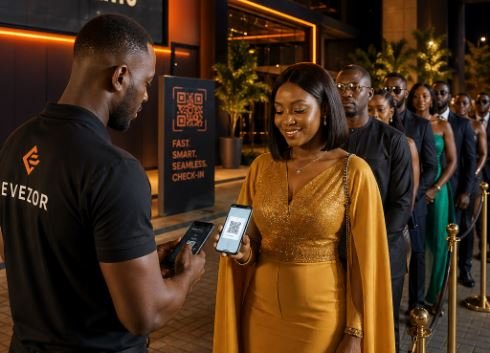
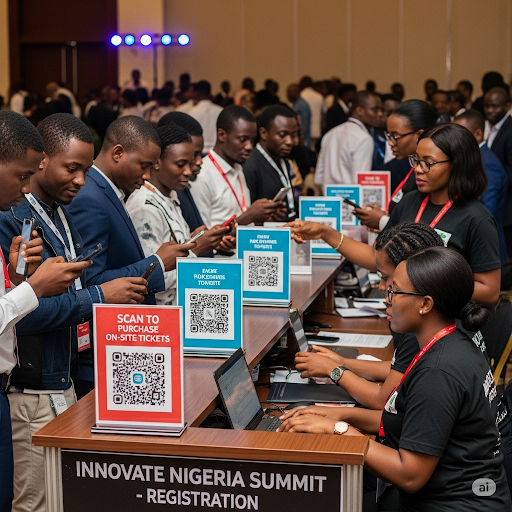
For Shows.ng-ticketed events, the Shows Ticket Scanner lets the gate team scan the code on an attendee's ticket and retrieve the ticket information when it is valid.
Current Shows.ng material also documents unique QR tickets, duplicate-ticket detection and offline scanning, which can be particularly useful where connectivity around a crowded venue becomes unreliable.
The value is not merely faster technology.
It reduces the amount of judgement the security officer needs to improvise.
The ticket either enters the normal verification process or becomes an exception that can be moved to the appropriate support point for investigation.
That allows the main entrance to remain calmer while complicated cases receive proper attention.
Security Should Not Be Responsible for Solving Every Ticket Problem
A scanner showing a problem does not mean the security officer should now spend fifteen minutes investigating payment history.
Separate access enforcement from customer support where the scale of the event justifies it.
If somebody has a ticket issue, missing guest-list entry or another genuine exception, give staff somewhere to send them.
The security team can keep the entrance controlled while a registration or ticket-support person handles the details.
This arrangement also reduces confrontation.
A guest who believes they paid correctly is less likely to become frustrated when they can speak to someone equipped to investigate the purchase rather than repeatedly hearing “You cannot enter” from a person who has no access to the relevant information.
Visible Security Should Be Easy to Identify and Easy to Approach
Invisible safety planning is useful.
Completely invisible security is not always useful.
Guests should be able to recognise who can help when something happens.
Depending on the event, that might mean uniforms, identification, designated security positions or clearly marked help points.
The important thing is making assistance discoverable without surrounding every social interaction with intimidating personnel.
Someone reporting harassment, a missing child, a suspicious situation or a medical problem should not have to wander around asking random vendors who is in charge of security.
Visibility can create reassurance when the people wearing that security identity behave professionally.
Do Not Turn VIP Protection Into a Poor Experience for Everybody Else
Some events genuinely require additional arrangements around artists, executives, speakers, celebrities or other high-profile guests.
Plan those movements.
Do not create them spontaneously by pushing ordinary attendees aside every time an important person appears.
If somebody needs a protected arrival route, backstage access or controlled movement through the venue, design it beforehand where possible.
The safest route may be one that avoids the general crowd rather than forcing a security team through the middle of it.
Premium treatment should not depend on making other attendees feel disposable.
Think About Harassment as a Safety Issue, Not Merely Bad Behaviour
Guest safety is broader than preventing weapons or controlling the gate.
Unwanted touching, harassment, threatening behaviour and intimidation can destroy someone's experience even when the event has technically remained “secure”.
Staff need to know how guests can report a concern and who has authority to respond.
Do not make somebody experiencing harassment negotiate directly with the person they are reporting.
Where possible, give the guest somewhere calmer to explain what happened and assess what response is appropriate.
If the situation suggests immediate danger or criminal behaviour, it may require escalation beyond ordinary venue management.
Our separate guide on making female guests feel safer and more comfortable at events looks more closely at harassment, transport, facilities and other parts of the experience that deserve deliberate planning.
Security Lighting Can Improve Safety Without Making the Venue Ugly
Atmosphere often depends on lighting.
A nightlife event may deliberately use darker areas, coloured lighting or a dramatic entrance.
That does not mean every route should be dark.
Attendees still need to see stairs, exits, toilets, parking areas and important pedestrian routes. Security teams also need enough visibility to understand what is happening around entrances, barriers and gathering points.
Think in layers.
The stage can be dramatic while an exit remains properly illuminated. A dinner space can feel intimate while the route to the toilets is still visible. A festival can use creative lighting without leaving the car park in darkness.
Safety lighting and event design can coexist.
A Security Plan Has to Include the Car Park and the Journey Out
The event does not become somebody else's responsibility as soon as the attendee steps through the exit.
Areas around the venue can become particularly busy at the end because large numbers of people leave within a short period.
Think about pedestrian routes, vehicles, pickup points and parking.
People standing in the road trying to identify a ride-hailing vehicle create a different risk from the one you controlled successfully inside the venue.
Good lighting, traffic management and clearly communicated pickup areas can improve both safety and the final impression of the event.
For very large or complex events, transport and pedestrian planning may need coordination with the venue and relevant local authorities rather than being left until event night.
Crowd Management Should Feel Like Guidance Before It Feels Like Control
People generally move more easily when the environment tells them where to go.
Signage, barriers, ushers, clearly defined queues and sensible layouts can prevent many crowd problems before a security officer needs to intervene.
This is why crowd management and crowd control are not exactly the same thing.
Management is about designing the event so that people can move safely under normal conditions. Control becomes necessary when behaviour or conditions have already become disorderly or dangerous.
The better the management, the less often attendees should feel that they are being controlled.
Our guide on managing queues and crowd flow goes deeper into entrances, movement and bottlenecks.
Monitor Where People Actually Gather, Not Only Where You Expected Them to Gather
The plan might say guests will spread evenly across the venue.
People may decide otherwise.
A popular food vendor attracts a large queue. Rain sends an outdoor crowd towards the same covered area. Everybody moves towards one stage when the headline performer appears. An attractive photo installation becomes a bottleneck nobody predicted.
Monitor what is actually happening.
Security, stewards and event managers should be able to recognise when one area is becoming significantly denser than intended and respond before it becomes dangerous.
That could mean redirecting arrivals, opening another route, moving a queue or temporarily limiting access to an already crowded section.
Waiting until people are visibly being crushed is not crowd management.
Do Not Oversell the Space and Expect Security to Fix Capacity
Security cannot create additional square metres.
If the event has admitted more people than the space can safely accommodate, the problem is not that the security team needs to become stricter.
Capacity has to be protected earlier.
Ticketing, complimentary allocations, staff, performers, sponsors and other attendees all affect the number of people using the venue.
Depending on how the event and venue calculate capacity, those groups may need to be considered in different operational ways.
The central principle remains straightforward: do not allow commercial pressure to undermine the safe limit of the venue.
Medical Readiness Should Be Easy to Find Without Dominating the Event
Medical planning is another example of safety that should be present without becoming the atmosphere.
The appropriate provision depends on the size, audience and risks of the event.
A large outdoor festival in hot weather creates different needs from an intimate indoor dinner.
Make sure staff know what to do when somebody becomes unwell and how to reach the appropriate medical support.
Guests should also have a reasonable way to identify where help is available.
Do not wait until someone collapses to begin asking who brought the first-aid kit.
For events with substantial risk or large crowds, medical planning may need professional input and coordination with emergency services or the venue.
Do Not Use the MC as Your Entire Emergency Communication Plan
An MC can communicate useful safety information.
They should not be the only person who knows what to say when something serious happens.
Decide in advance who has authority to communicate during an incident and what information different teams need.
Security may need operational instructions that attendees do not. Guests may only need a calm direction telling them which exit to use or where to remain.
A confused event where the DJ says one thing, security says another and the MC improvises a third instruction can turn concern into panic.
Pre-agreed communication does not remove the need to adapt. It gives the team a common starting point.
Attendees Should Know About Important Changes Before Reaching the Venue
Sometimes security conditions change before the event begins.
Perhaps an entrance has moved. The venue introduces a bag restriction. Weather forces a change to an outdoor arrangement. Parking access changes or guests need to arrive through a different route.
Communicate material changes rather than allowing security staff to explain them individually to every surprised attendee.
For events using Shows.ng, organisers can send an email directly to attendees attached to that event through the attendee list.
The Shows.ng attendee messaging guide explains how organisers can write a subject and message and have that communication sent to attendees.
This can be useful for important arrival instructions, but urgent information may also need to be communicated through whatever other channels your audience is most likely to see quickly.
A Backup Plan Should Protect the Experience, Not Merely Keep the Programme Running
Power fails.
Rain affects an outdoor event. A security route becomes unusable. An entrance needs to close temporarily. A performer arrives with more people than were expected.
Your backup plan should consider safety as well as continuity.
A generator that restores music but leaves emergency lighting unavailable has not solved the whole problem. Moving everyone indoors because of rain can create another hazard if the indoor area cannot safely accommodate the crowd.
Contingency decisions should consider where people will move and whether the alternative can support them safely.
The Shows.ng guide on building an event backup plan goes deeper into preparing alternatives before something fails.
Be Careful With Surveillance and Attendee Privacy
CCTV and other monitoring can contribute to venue security, especially around entrances and critical areas.
That does not mean collecting information simply because technology makes it possible.
Use security systems for a defined purpose and handle the information they produce responsibly.
The same principle applies to identification checks and attendee records.
Collect what your event genuinely requires rather than turning every guest into a data-collection exercise.
Security should protect people's privacy as well as their physical safety.
Security Staff Need Breaks Too
A person who has been standing in the same demanding position for eight hours may become less observant, more irritable and slower to respond.
Staffing plans should account for the duration and intensity of the event.
That can mean rotations, appropriate rest arrangements and enough personnel that critical positions remain covered when somebody steps away.
This applies to security, ushers, medical staff and other front-of-house roles.
Exhausted staff can turn a good procedure into a bad guest interaction very quickly.
Prepare for People With Different Access Needs
A security process should work for more than the fastest and most mobile guest.
Think about attendees with disabilities, older guests, children and others who may require a different route or additional assistance.
A queue that requires everyone to stand for a long period may create difficulties. A security barrier placed without considering wheelchair movement can turn an otherwise accessible venue into an inaccessible event.
Plan suitable procedures rather than improvising them when someone arrives.
Safety and accessibility are often connected because both depend on understanding how different people actually move through the environment.
Review Incidents Without Turning Every Unusual Event Into a New Restriction
After the event, review what happened.
Where did queues build? Were there attempted unauthorised entries? Did guests understand the bag policy? Did staff know how to escalate problems? Were there areas that became unexpectedly crowded?
Take those lessons seriously.
But do not respond to one unusual incident by adding ten permanent restrictions that make every future attendee's experience worse.
Ask what caused the problem and what proportionate change would reduce the risk next time.
Perhaps the answer is better signage rather than another security guard. Maybe the gate needs another scanner instead of a stricter ticket policy. A lighting problem may need another fixture rather than more patrols.
The best security improvement addresses the actual weakness.
Ask Guests Whether Safety Measures Made Sense
Security teams see one side of the event.
Attendees see another.
Post-event feedback can show you whether entry felt unnecessarily aggressive, whether guests struggled to identify staff, whether lighting felt poor or whether particular areas made people uncomfortable.
Do not ask only, “Did you feel safe?”
Someone may answer yes while still having useful feedback about a forty-minute security queue or an unpleasant search experience.
Ask about the parts you can change.
Our guide on collecting useful attendee feedback explains how to design questions that produce more actionable responses.
The Safest Event Does Not Need to Look Like a Fortress
Guests should be able to enjoy a concert, conference, wedding, festival or social event without security becoming the main story.
That does not come from hiding security.
It comes from designing it well.
Assess the actual risks. Use suitably trained people. Brief security and hospitality teams together. Give guests clear information before they arrive and build an entrance capable of handling the checks you intend to perform.
Monitor crowd movement rather than waiting for congestion to become dangerous. Keep important routes properly lit. Prepare medical and emergency procedures. Give attendees a clear way to report problems and make sure security decisions can be firm without becoming unnecessarily confrontational.
For ticketed events, Shows.ng can support the access side through the Shows Ticket Scanner, which gives staff a defined digital verification process instead of relying only on whether a ticket looks convincing. The platform's attendee messaging feature can also help organisers communicate relevant arrival or access changes before guests reach the venue.
When your next event is ready, you can create your event on Shows.ng and connect ticketing and attendee communication to the wider safety plan you have already designed.
Good event security should make guests feel free to enjoy themselves because somebody competent has already thought carefully about what could interrupt that experience.