In this article
- Get the Basics Right Before Spending Money on Wow
- Choose One Thing You Want People to Remember
- Spend Where Guests Will Notice the Difference
- A Smaller Venue Can Create More Atmosphere Than a Bigger One
- Use the Venue Instead of Fighting It
- Lighting Often Gives You More Impact Than Additional Decoration
- Create One Strong Visual Focal Point
- Do Not Confuse More Decoration With Better Design
- DIY Can Save Money Only When Someone Can Actually Execute It Well
- Local Talent Can Add Character, but Do Not Assume Local Means Cheap
- A Surprise Works Better When It Belongs to the Event
- Personalisation Can Feel Expensive Without Costing Much
- The Entrance Can Carry More Wow Than Another Backdrop Inside
- Sound Is Part of Atmosphere, Even When Nobody Is Performing
- Food Feels Premium When the Promise and Execution Match
- Small Events Can Turn Intimacy Into the Wow Factor
- Do Not Add Technology Simply to Make the Event Look Modern
- Make the Event Shareable Without Building an Expensive Photo Booth
- Spend Less on Quantity and More on Timing
- Good Hosting Is Powerful Because It Changes How People Feel
- Protect the Budget From Last-Minute “Wow” Ideas
- Do Not Spend the Emergency Money on Decoration
- Photographs Can Extend the Value of What You Already Paid For
- Do Not Measure Success by How Expensive the Event Looked
- The Wow Factor Is Usually Concentration, Not Excess
A small event budget becomes a problem when the organiser tries to make every part of the event look expensive.
The venue has to look luxurious. The stage needs a massive installation. Every table needs elaborate decoration. There must be a photo booth, several entertainers, expensive souvenirs, complicated lighting and a menu long enough to satisfy every possible preference.
The money gets divided across so many ideas that none of them is executed particularly well.
A better small-budget event usually does the opposite.
It accepts that the organiser cannot spend heavily everywhere and deliberately chooses a few places where quality, atmosphere or surprise will have the greatest effect on how guests experience the day.
That is the useful meaning of a “wow factor”.
It does not need to be a celebrity appearance, fireworks or a decoration budget larger than the venue fee. Sometimes it is a beautifully lit entrance. Sometimes it is an unusually thoughtful welcome. It could be one striking stage element, exceptional sound, a signature drink, an intimate performance or simply a small venue arranged so intelligently that guests never think about how little it cost.
The goal is not to make a cheap event look expensive.
It is to make a deliberately modest event feel complete.
Get the Basics Right Before Spending Money on Wow
No decorative idea can rescue an event where guests cannot hear, food runs out, the venue is uncomfortable or entry takes an hour.
Start with the things that make the event function.
The venue should be appropriate for the number of guests. Sound should allow people to hear whatever they came for. Toilets should be usable. Security and basic safety requirements need to be covered. Guests should know where they are going and what is happening.
If those foundations are weak, spend your limited money fixing them before buying anything intended purely to impress.
A well-lit flower wall is difficult to appreciate while somebody is standing beside it complaining that there are no chairs.
The strongest small-budget event feels reliable first and impressive second.
Choose One Thing You Want People to Remember
Ask yourself what you hope someone says when describing the event the next day.
Perhaps you want them to remember how intimate the performance felt. Maybe the event is built around an unusual location. A dinner could revolve around one beautiful communal table. A product launch might have one memorable reveal.
This gives the budget somewhere to concentrate.
If the main idea is intimacy, you probably do not need enormous production. You need a space that suits the audience size, strong sound, flattering lighting and a programme that allows guests to feel close to what is happening.
If the main idea is visual transformation, more of the available budget may go towards lighting, fabrics, staging or one carefully designed focal area.
One strong concept creates more impact than seven unrelated “wow” ideas fighting for attention.
Spend Where Guests Will Notice the Difference
A limited budget requires prioritisation.
There are expenses guests experience directly and others they may barely notice.
If upgrading the sound system means every attendee can hear clearly, that may create more value than adding another decorative installation. If better chairs make a four-hour conference much more comfortable, they may matter more than expensive table centrepieces.
Likewise, there are cases where a modest increase in lighting can completely change how an otherwise ordinary room feels.
Think in terms of impact per naira rather than simply trying to make every line in the budget cheaper.
If you are still deciding how the overall budget should be structured, the Shows.ng guide on planning a low-budget event that still feels premium covers the broader budgeting, venue and cost-control decisions. This article is about what to do once you know how much room you actually have to create the experience.
A Smaller Venue Can Create More Atmosphere Than a Bigger One
Organisers sometimes assume that a large venue automatically makes an event more impressive.
A half-empty hall often produces the opposite feeling.
If you realistically expect 120 people, a room designed comfortably around that audience may feel far more energetic than a venue built for 600.
A smaller space can also reduce the amount of decoration, sound equipment, furniture and staffing required.
That saving can then be redirected towards the parts of the experience guests will notice more.
The important thing is choosing a venue that is comfortably appropriate, not deliberately overcrowding people so the room looks popular.
Good atmosphere comes from scale, layout, lighting, programme and people interacting comfortably, not simply putting as many bodies as possible into a small space.
Use the Venue Instead of Fighting It
A cheap venue becomes expensive when you have to hide every part of it.
Look for spaces with something you can work with.
Perhaps there is an attractive garden, interesting wall, rooftop view, courtyard, exposed brick, natural light or architectural detail that already gives the event character.
Build around that strength rather than covering it with decoration.
The same principle works inside more ordinary spaces. If one part of the room looks best, make it the visual focus. Arrange seating, photography and lighting around the strongest features rather than trying to transform every square metre equally.
A venue with character can do some of the design work for you.
Lighting Often Gives You More Impact Than Additional Decoration
Lighting changes how people perceive the same physical space.
A plain room under harsh overhead lighting can feel functional and unfinished. The same room with thoughtful warm lighting, controlled stage illumination or carefully placed practical lights can feel considerably more intentional.
This does not mean buying complicated concert lighting for a birthday dinner.
The treatment should fit the event.
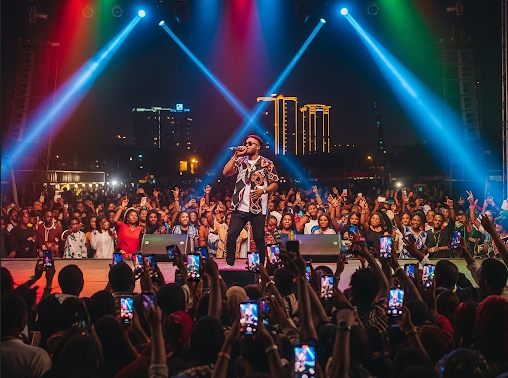
For an intimate gathering, lamps, candles where safe and permitted, simple uplighting or strings of lights may be enough. For a performance, putting more money into properly lighting the stage may matter much more than decorating every wall.
Think about photographs too.
If every guest photograph is taken under terrible lighting, expensive décor will not necessarily look expensive afterwards.
Create One Strong Visual Focal Point
You do not need to decorate every corner equally.
Choose where visual attention naturally belongs.
That might be the stage, entrance, head table, presentation area or one photography point.
Concentrating decoration there allows the event to have a recognisable visual identity without requiring the organiser to cover an entire venue in materials.
The rest of the space can be simpler as long as it still feels clean and deliberate.
Consistency helps.
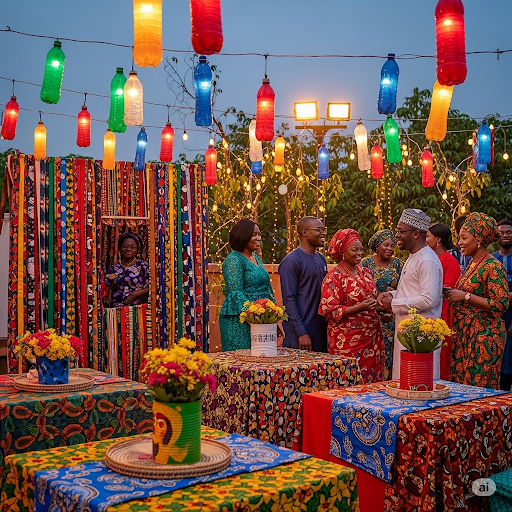
A controlled palette of colours, typography and materials tends to look more considered than buying every affordable decoration you find and placing all of them in the same room.
Do Not Confuse More Decoration With Better Design
Balloons, flowers, drapes, neon signs, artificial greenery, table ornaments, LED numbers and branded panels can all work individually.
They do not all need to appear at the same event.
Small budgets suffer when organisers buy many cheap decorative items instead of a smaller number of elements that work together.
Before paying for another item, ask what it contributes.
Does it reinforce the event concept? Does it improve a part of the venue guests will actually use? Will it appear meaningfully in photographs?
If the answer is simply, “Events normally have this,” you may not need it.
DIY Can Save Money Only When Someone Can Actually Execute It Well
Do-it-yourself decoration sounds automatically cheaper until you count materials, transport, tools, mistakes and the organiser's time.
Use DIY where the idea is simple enough to execute reliably.
A printed welcome sign, table cards, basic fabric treatment or small decorative detail may be manageable. Building a complicated stage installation for the first time the night before the event is another matter.
Sometimes renting an existing item is cheaper than building your own version.
Sometimes paying a small creative vendor for one strong focal installation saves both money and stress compared with purchasing materials you will never use again.
Cheap execution that looks unfinished is not a wow factor.
Local Talent Can Add Character, but Do Not Assume Local Means Cheap
The old article recommends local DJs, photographers, decorators and performers largely as a way to save money.
Working with people based near the event can reduce travel and logistics costs, and discovering emerging talent can introduce something fresh to the programme.
But local professionals still deserve fair payment for their work.
Choose them because they fit the concept, quality and budget, not because you assume someone nearby should work cheaply for “exposure”.
An emerging spoken-word artist, acoustic musician, dance group or DJ can give a smaller event a distinctive identity when the performance naturally fits the audience.
One well-chosen act is often more memorable than filling the programme with inexpensive entertainment simply because it was available.
A Surprise Works Better When It Belongs to the Event
Surprise is one way to create a memorable moment, but it does not have to be expensive.
The important thing is relevance.
An unexpected acoustic performance may work beautifully at an intimate dinner. A surprise guest speaker can add value at a professional gathering if that person genuinely contributes something. A chef revealing one off-menu tasting could become the moment people remember from a food event.
Do not add random surprises purely because social media calls them “wow moments”.
The best surprise feels like an extension of the event rather than a separate stunt inserted into it.
Personalisation Can Feel Expensive Without Costing Much
People often associate premium experiences with being recognised.
That does not necessarily require expensive personalised merchandise.
A well-written welcome card at a small dinner, correct name badges at a professional event or staff who understand why different guests are attending can make the event feel more considered.
For intimate events, even the host personally welcoming people can change the tone.
Personalisation works because it tells attendees that the event was designed for actual people rather than simply for photographs.
The smaller the audience, the more opportunity you have to make that advantage work.
The Entrance Can Carry More Wow Than Another Backdrop Inside
The first physical moment deserves attention.
A guest may not remember every table centrepiece, but they will remember whether arriving felt organised and intentional.
You can create a stronger entrance without building an elaborate red carpet.
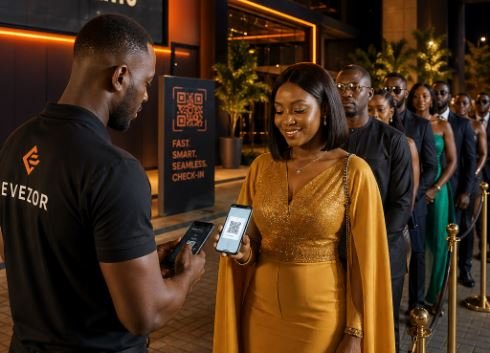
Good signage, a clean approach, flattering lighting, music at the right level and staff who understand where to direct people can make a modest venue feel immediately more prepared.
If your event has one branded visual element, the entrance may also be a useful place for it because almost everybody passes through that point.
Do not spend heavily making the entrance photograph beautifully while allowing check-in itself to become chaotic. The experience and the appearance need to work together.
Sound Is Part of Atmosphere, Even When Nobody Is Performing
Music shapes a room before the formal programme begins.
You do not always need a DJ.
A carefully prepared playlist may be completely appropriate for a smaller dinner, workshop, networking session or private gathering.
The important part is selection and volume.
The music should support what people are doing. Networking becomes difficult when everyone has to shout. A quiet room can also feel unfinished when the event concept would benefit from more energy.
Think about how the sound environment changes as the event moves from arrival to programme to social time.
This is experience design that can cost almost nothing compared with adding another physical decoration.
Food Feels Premium When the Promise and Execution Match
You do not need ten menu options to impress guests.
A smaller selection served well can be much stronger than an ambitious menu delivered inconsistently.
Decide what the event can realistically provide at the available budget and guest count.
Good presentation helps, but portion planning, serving temperature, timing and speed matter too.
A signature drink or one memorable food element can add personality without expanding the entire catering budget.
If food is not central to the event, do not allow catering ambition to consume money that the core programme needs more urgently.
If food is central, then treat it like part of the main experience rather than an afterthought.
Small Events Can Turn Intimacy Into the Wow Factor
Large events can deliver spectacle.
Small events can deliver access and closeness.
A workshop where attendees can speak directly with the expert, a house concert where the audience is only metres from the performer or a small founder dinner where guests can actually have meaningful conversations may offer something a larger production cannot easily recreate.
Do not apologise for the scale.
Design around it.
Arrange seating so interaction feels natural. Keep the programme appropriately intimate. Give people access to the elements that justify keeping the audience smaller.
Sometimes the most convincing wow factor is exclusivity created by scale rather than money.
Do Not Add Technology Simply to Make the Event Look Modern
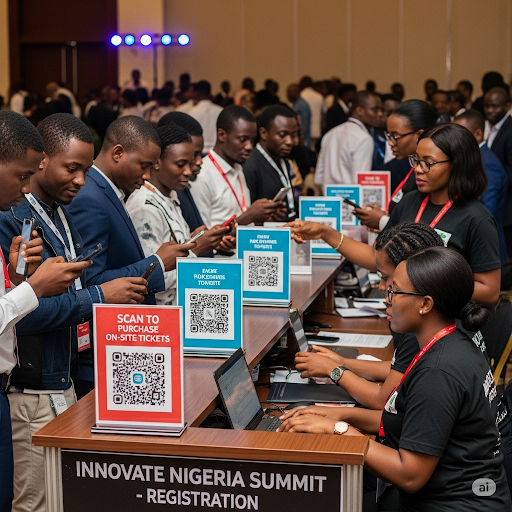
A QR activation, interactive screen or other digital idea can be useful when it solves a problem or creates something meaningful.
It can also consume money while guests wonder why it exists.
Start with the experience.
If a simple digital registration process makes entry cleaner, good. If an interactive tool genuinely supports the programme, use it.
Do not spend scarce budget on technology merely because it photographs well beside the word innovation.
The best event technology becomes almost invisible because it makes something easier.
Make the Event Shareable Without Building an Expensive Photo Booth
Guests do not need a dedicated booth before they take photographs.
They need somewhere worth photographing.
One attractive backdrop, interesting venue feature, well-lit stage or distinctive table setup can become the natural photo location.
If the event already contains something visually strong, direct attention towards it instead of building another installation solely for social media.
Think about the wider branding too.
If you want attendees, partners or supporters to share coordinated event graphics before the event, the Shows.ng DP Generator can create branded display pictures for an event or campaign. Shows.ng's current Features page describes the tool as producing social-media-friendly branded DPs, which can be useful when the promotional budget does not stretch to creating custom graphics individually for everyone involved.
The promotion should still look like the event you are actually capable of delivering.
Do not create marketing that suggests a production scale guests will never see.
Spend Less on Quantity and More on Timing
A memorable moment often depends less on how expensive it is than when it happens.
The lights changing just before a reveal, music beginning at the right moment, food arriving when guests are ready for it or a performer appearing without a long awkward setup can make a modest production feel polished.
This is why programme coordination matters.
An inexpensive idea delivered perfectly can feel more impressive than an expensive idea delayed by technical confusion.
Rehearse important transitions where possible.
If there is one moment you expect people to remember, the team should understand exactly how that moment begins and ends.
Good Hosting Is Powerful Because It Changes How People Feel
The old article is right that hosting matters, but the idea deserves more depth than simply greeting everybody warmly.
Hospitality is how people experience the organiser's attention.
Are guests left standing because nobody knows where they should sit? Does someone notice when the programme moves to another room? Are speakers and performers treated professionally? Can attendees get help without searching for the organiser personally?
A small event has an advantage because thoughtful hospitality can be easier to deliver at a smaller scale.
Use it.
A guest who feels recognised and looked after may remember that more strongly than decoration that cost several times as much.
Protect the Budget From Last-Minute “Wow” Ideas
The final week before an event is dangerous for small budgets.
Someone suggests another backdrop. The organiser sees a video online and suddenly wants cold fireworks. A friend insists the event needs souvenirs. Another vendor offers an upgrade that was never part of the original plan.
Every idea sounds small individually.
Together, they destroy the contingency money and sometimes the budget for more important operational needs.
Return to the concept.
Does this addition strengthen the experience you decided to create, or are you buying it because you are becoming nervous that the event does not look expensive enough?
Confidence is part of disciplined event planning.
Do Not Spend the Emergency Money on Decoration
A small-budget event has less room to absorb unexpected costs.
Keep some money protected for genuine problems.
Transport changes, additional power requirements, damaged equipment, weather adjustments and other operational needs can appear close to event day.
If every naira was committed to visual extras, one practical problem can force the organiser into emergency borrowing or painful compromises.
The wow factor should sit inside the budget, not consume the money protecting the event from reality.
Photographs Can Extend the Value of What You Already Paid For
If you invest in making one part of the event look exceptional, document it properly.
Good event photographs and video can turn a one-night design choice into material for the next campaign, sponsor report, website, press outreach or future event announcement.
This does not automatically mean hiring the most expensive photographer available.
It means thinking about documentation as part of the value of the event rather than remembering at the last moment that somebody should take pictures.
Tell whoever is documenting the event which moments matter.
A beautiful focal area nobody photographs properly has much less marketing value afterwards.
Do Not Measure Success by How Expensive the Event Looked
Afterwards, ask whether the choices actually improved the experience.
Which element did guests mention without being prompted? Where did people naturally gather? Did the intimate venue work? Was the signature experience noticed? Did an entertainment choice strengthen the programme or simply take time?
Look at feedback and your own observations.
You may discover that the thing you worried most about barely mattered to guests while something inexpensive became the most talked-about part of the event.
That information is valuable for the next edition.
Small-budget events improve when organisers stop trying to copy large productions and begin learning what their own audience values.
The Wow Factor Is Usually Concentration, Not Excess
Limited budgets become more powerful when they are focused.
Get the fundamentals right first. Choose a venue whose scale and existing character help rather than fight you. Decide what you want people to remember and concentrate visual, programme or hospitality effort around that idea.
Use lighting intelligently. Create one strong focal point rather than decorating every surface. Serve a smaller food offer properly instead of an enormous one badly. Choose entertainment because it fits the experience, not because every event is expected to have several performers.
Most importantly, use the advantage that smaller events already have.
They can feel personal, intimate and deliberate in ways that huge events sometimes struggle to reproduce.
You do not need to disguise the fact that the event has a small budget. You need to make sure the guest can see that the money, attention and effort available were placed where they mattered.
If the event also needs a low-cost way to encourage participants or supporters to share coordinated campaign graphics, you can use the Shows.ng DP Generator. When the wider event is ready, you can create your event on Shows.ng and build the ticket or registration side around the experience you have designed.
The wow factor is rarely having more of everything. It is giving people one or two moments that feel so well considered they never stop to calculate what the event must have cost.