In this article
- Define the Result Before You Choose the Speakers
- Choose a Specific Audience
- Make the Topic Specific Enough to Promise Something Useful
- Do Not Build the Programme Around Famous Names Alone
- Give Different Speakers Different Jobs
- Brief Speakers Before Event Day
- Choose the Date With the Audience in Mind
- The Venue Should Make Attendance Easier
- Do Not Book for an Attendance Figure You Cannot Defend
- Decide Whether the Seminar Should Be Free or Paid
- A Free Registration Is Not the Same as a Confirmed Attendee
- Give Registration One Official Home
- Your Event Page Should Answer the Questions That Affect Registration
- Start Promotion Early Enough to Learn From the Response
- Promote the Problem the Seminar Helps Solve
- Use Speakers and Partners as Distribution, Not Just Decoration
- WhatsApp Can Be Powerful, but the Message Still Needs a Reason to Travel
- Do Not Count Social-Media Engagement as Attendance
- Use Registration Data to Plan Operations
- Remind Registered Attendees for a Reason
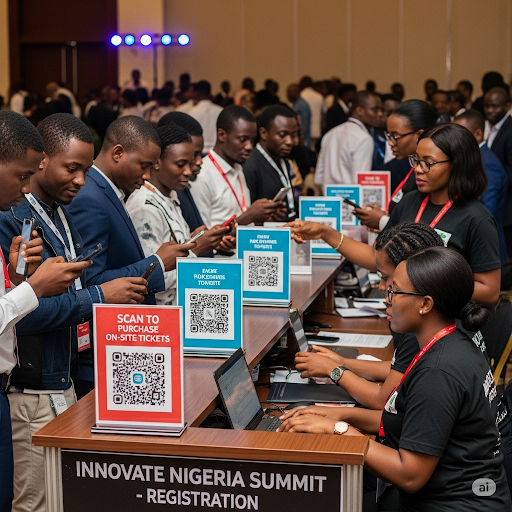
- Have a Check-In Plan Before Registration Becomes Large
- Digital Tickets Can Make Verification More Structured
- Open Registration Before the Programme Start Time
- Give Early Arrivals a Comfortable Experience
- Start as Close to the Published Time as You Reasonably Can
- Use an MC or Moderator Who Understands the Programme
- Protect Speakers From Running Over the Entire Day
- Build Questions Into the Programme Deliberately
- Do Not Fill the Programme With Speeches Because You Have Many Important Guests
- Breaks Need to Be Long Enough to Work
- Networking Needs More Than the Word “Networking” on the Programme
- Make Slides Visible From the Back of the Room
- Prioritise Audio
- Prepare for Power and Technical Failure
- Accessibility Should Be Part of Venue and Programme Planning
- Give Attendees Somewhere to Ask for Help
- Collect Feedback Before the Experience Becomes a Vague Memory
- Follow Up With Something Useful
- Review Registration, Attendance and Ticket Data Separately
- Do Not Turn an Anonymous Attendance Claim Into Your Marketing Strategy
- A Successful Seminar Is Built Around What Attendees Need to Take Away
A successful seminar is not defined by how many chairs you can fit into a hall.
It is defined by whether the right people understood why they should attend, actually showed up, received something useful from the programme and left believing the time they invested was worthwhile.
That is why planning a one-day seminar requires more than booking speakers and promoting a date.
You need a clear audience, a useful topic, a programme that respects people's attention, a registration process that gives you reliable numbers and an event-day operation capable of handling the turnout you generate.
A room containing 1,200 people can still be a poorly planned seminar.
A room containing 180 of exactly the right people can be a much stronger event.
Start with the value of the programme. Build the audience and operations around that.
Define the Result Before You Choose the Speakers
What should somebody understand, decide or be able to do after attending?
That question should come before the speaker list.
A seminar about accessing business finance needs a different programme from one about career development, property investment, technology adoption or professional certification.
The clearer the outcome becomes, the easier it is to decide what belongs in the programme.
You can then reject interesting topics that do not actually help the attendee achieve the promised result.
This is particularly important for one-day events because time is limited. A seminar becomes exhausting when organisers try to fit an entire industry into six hours.
Choose a Specific Audience
“Everybody” is usually a weak target audience.
A seminar for first-time business owners can speak more precisely than one supposedly designed for entrepreneurs, executives, students, investors, creatives, professionals and anyone interested in success.
That specificity affects the language of your campaign, speaker selection, ticket price, examples used during sessions and even the most suitable venue.
You do not necessarily need a tiny niche.
You need enough clarity that a potential attendee can quickly decide whether the seminar was designed for someone like them.
Make the Topic Specific Enough to Promise Something Useful
Broad seminar titles can sound impressive while communicating very little.
“Business Success Summit” could mean almost anything.
A stronger proposition might focus on getting a first business loan, building an export-ready business, understanding a particular regulatory change or learning how to move from freelancing into an agency.
The topic should not become so narrow that there is no audience.
But it should be specific enough that somebody understands what problem the day is going to help them think about.
Do Not Build the Programme Around Famous Names Alone
A recognisable speaker may attract attention.
That does not guarantee a useful seminar.
Look for people who can contribute to the specific subject and communicate it effectively to the audience you are bringing together.
Someone can have an impressive career and still be a poor fit for a beginner-focused seminar.
Another speaker may have less public visibility but considerably more practical expertise in the subject attendees came to learn.
Think about the combination of credibility, relevance and communication ability rather than fame alone.
Give Different Speakers Different Jobs
A common seminar problem is repetition.
Five speakers are invited and all five spend twenty minutes giving slightly different versions of the same motivational speech.
Design the programme so each person adds something distinct.
One speaker may establish the bigger picture. Another can explain a practical process. A panel can compare several experiences. A specialist can address a difficult technical subject. A final session might focus on implementation or questions from the audience.
The attendee should feel that the programme moved forward rather than restarting every time somebody new walked onto the stage.
Brief Speakers Before Event Day
Do not assume an experienced speaker automatically knows what you need.
Tell them who the audience is, what the seminar promises, how much time they have and what the other sessions are covering.
If the programme is supposed to be practical, say so.
If the audience is mostly beginners, tell them. If another speaker is already dealing with a particular topic, help them avoid duplication.
Ask for presentation material early enough for technical checks where slides are involved.
A seminar programme becomes much more coherent when speakers understand the whole day rather than only their individual slot.
Choose the Date With the Audience in Mind
The best date is not simply the first day the venue and speakers are available.
Consider when the intended audience can realistically attend.
A seminar aimed at full-time professionals may work differently on a weekday from one aimed at business owners with more control over their schedule. A student-focused seminar creates another set of considerations around examinations, lectures and campus calendars.
Public holidays can help one event and hurt another.
Major competing conferences, religious programmes, sporting events or entertainment events can also affect travel and attention.
You do not need a completely empty calendar.
You need a date that makes sense for the people you actually want in the room.
The Venue Should Make Attendance Easier
A prestigious address is useful only if the event works there.
Think about capacity, transport, parking where relevant, ventilation, accessibility, toilets, acoustics, power and whether attendees at the back can actually see the speaker.
For a seminar, the room also needs to support concentration.
A beautiful space beside an extremely loud activity may be a poor choice. So may a hall where columns block sightlines or where the air conditioning cannot comfortably support the expected crowd.
Visit the venue with the programme in mind.
Imagine registration outside. Imagine the room full. Imagine people trying to leave for a short break at the same time.
The empty hall is not the event.
Do Not Book for an Attendance Figure You Cannot Defend
Attendance forecasting is difficult, especially for a first edition.
But it still needs a method.
Look at your addressable audience, marketing reach, ticket price, comparable events and how much time you have to promote.
A sponsor asking how many people you expect deserves a more useful answer than, “We are targeting 2,000 because the hall can hold 2,000.”
The capacity of the venue tells you the maximum number the space can support under the agreed setup.
It does not tell you how many people will attend.
Decide Whether the Seminar Should Be Free or Paid
Free registration can make sense when the organiser's main objective is education, community building, lead generation, sponsorship value or another outcome that does not depend primarily on ticket revenue.
Paid tickets can help fund the programme and may also create a different commitment from attendees.
Neither model automatically produces a better audience.
The right decision depends on the event.
If the seminar is free, you still need registration and capacity control where numbers matter.
If it is paid, attendees need to understand what justifies the price.
A Free Registration Is Not the Same as a Confirmed Attendee
This distinction matters greatly when planning seminars.
Some people register for free events and later decide not to attend because nothing financial or operational is stopping them from changing their mind.
Do not assume that 1,000 registrations automatically means 1,000 people will appear at the venue.
Your own historical data is particularly useful here.
If previous editions show that a particular proportion of free registrants normally arrives, that becomes better planning information than a generic attendance assumption.
For a first edition, stay conservative enough that catering, seating and staffing decisions are not built entirely around wishful thinking.
Give Registration One Official Home
A seminar becomes difficult to manage when people are registering through several unrelated channels.
One list is in Google Forms. Another is inside WhatsApp. Someone else is collecting transfers and adding names manually. A partner has promised another group of attendees nobody has entered into the main record.
Choose one authoritative registration or ticketing record.
Partners can still promote the event through their own channels, but attendees should ideally end up in the same official booking process.
This gives the organiser a clearer idea of demand and makes event-day verification considerably easier.
Your Event Page Should Answer the Questions That Affect Registration
A potential attendee should be able to understand the seminar without sending the organiser a direct message.
Make the topic, date, venue, important timing, speakers and ticket or registration arrangement clear.
If lunch is included, say so. If it is not, avoid creating the opposite impression.
If attendees need to bring a laptop or another item, communicate that where appropriate.
Do not hide the most useful information across several flyers simply because revealing speakers one at a time is part of the campaign.
Promotion can create curiosity while the event page still provides clarity.
Start Promotion Early Enough to Learn From the Response
Launching early is not useful simply because longer promotion always means more attendance.
It gives you time to see how the audience is responding.
If registration is weak during the first stage, you can examine the offer, message and distribution before the seminar is only three days away.
If one announcement produces a meaningful increase in registrations, that can inform the next phase of the campaign.
A short campaign removes many of those opportunities to learn.
The appropriate lead time depends on the event, but the organiser needs enough time for the intended audience to discover the seminar, understand the value and make the commitment required to attend.
Promote the Problem the Seminar Helps Solve
A flyer containing seven speaker photographs and the words Do Not Miss This is not automatically persuasive.
Explain why the subject matters.
If the event teaches business owners how to prepare for investment, speak to the challenges around becoming investment-ready. If it helps graduates navigate a particular career transition, make that problem visible.
The speaker lineup then becomes evidence that qualified people will be addressing the issue.
This is usually stronger than asking people to attend simply because several accomplished people will be in the same room.
Use Speakers and Partners as Distribution, Not Just Decoration
Speakers, professional associations, communities, sponsors and relevant organisations may already have access to people who fit the seminar audience.
Make it easy for them to share accurate information.
Provide the official event link and useful campaign assets rather than asking everybody to create their own description from memory.
This reduces the risk of one partner publishing the wrong date, another promising a benefit that is not included and a third directing attendees towards an outdated registration process.
Partners are most useful when they introduce the seminar to relevant people who trust them, not simply when their logos appear on the flyer.
WhatsApp Can Be Powerful, but the Message Still Needs a Reason to Travel
WhatsApp is valuable for professional communities, alumni groups, industry associations, neighbourhood networks and many other Nigerian audiences.
But repeatedly forwarding the same flyer does not create a strategy.
Give people a concise explanation of who the seminar is for and why it matters.
Link to the official event page rather than asking interested people to begin another chain of private messages.
If partners are sharing the event, tailor the context where appropriate. The reason a professional association shares the seminar may be different from the reason an alumni group shares it.
Do Not Count Social-Media Engagement as Attendance
A seminar can receive strong online engagement while registrations remain weak.
It can also receive modest engagement and still attract a useful professional audience.
Track what matters.
How many people registered? How quickly are registrations moving? Which ticket or registration categories are being selected? If the event is paid, how much ticket revenue has been recorded?
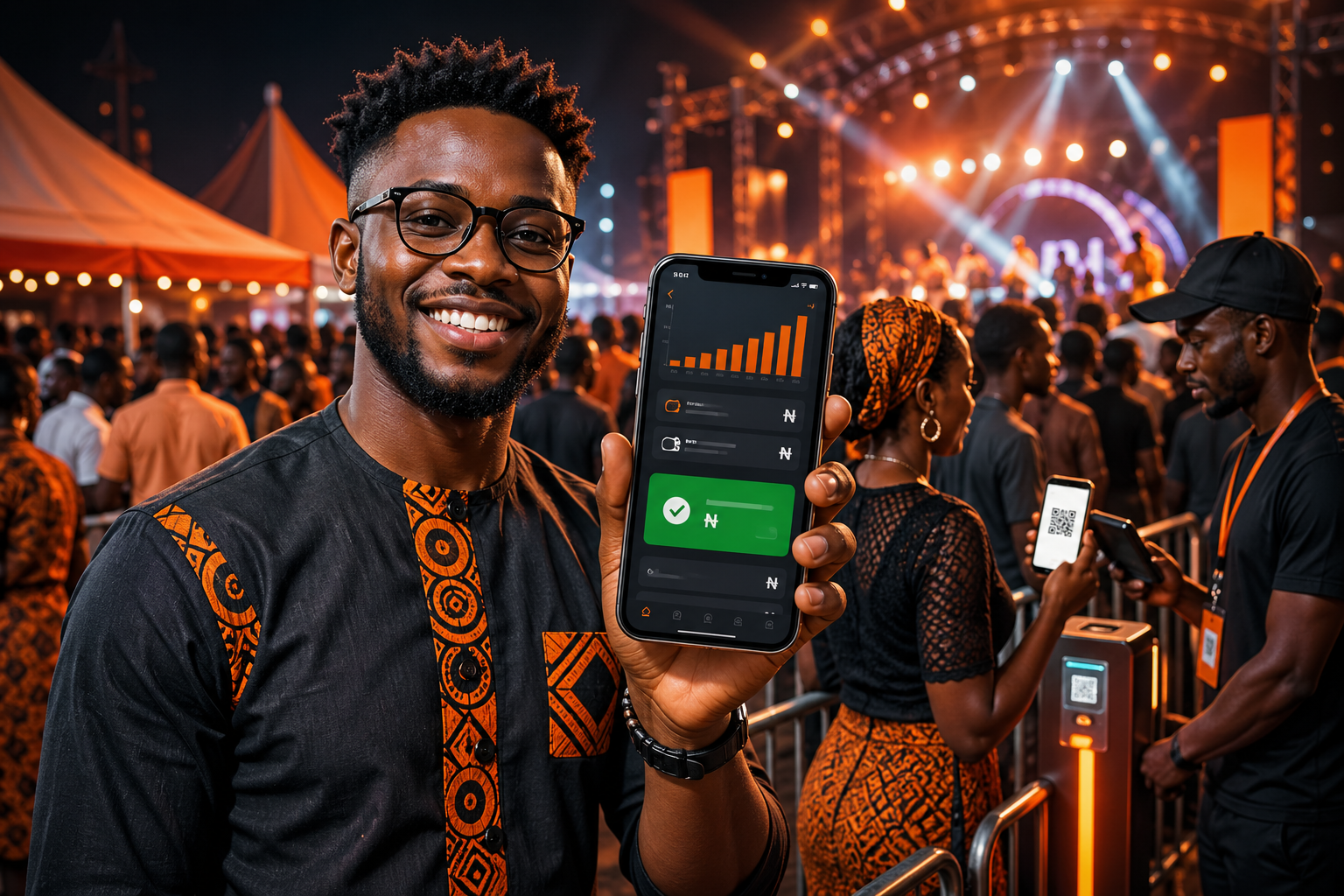
Shows.ng's current organiser analytics documents live sales counts, revenue, ticket-type breakdowns, attendee data and a sales timeline. That gives organisers using paid ticketing a clearer picture of what is happening inside the booking process rather than judging demand by likes alone.
For a deeper explanation, see the guide on real-time event analytics and reporting.
Use Registration Data to Plan Operations
Registrations should influence more than marketing.
If numbers are accelerating, entry capacity, seating, materials and refreshments may need to change.
If a paid VIP or premium category is close to its limit, the relevant seating or benefits need to be prepared accordingly.
If free registration is far above the comfortable venue capacity, the organiser needs to think carefully about how access will be controlled rather than simply continuing to collect unlimited names.
Marketing and operations should not behave like separate events.
Remind Registered Attendees for a Reason
People forget events they genuinely intended to attend.
A useful reminder can reduce that problem.
Send the practical details attendees need as the seminar approaches: timing, venue, entrance and any important preparation.
Do not send several messages that contain nothing except generic excitement.
For events managed through Shows.ng, organisers can use the attendee messaging feature to send event-specific emails to registered attendees.
That can be useful when the information matters enough that relying only on social media would be risky.
Have a Check-In Plan Before Registration Becomes Large
The gate needs to be designed for the turnout you are promoting.
If several hundred attendees are expected to arrive within a short period before the first session, one registration desk can create a queue long enough to delay the entire programme.
Think about how people will be verified and where they go afterwards.
Separate straightforward attendees from unusual cases where possible. Someone whose ticket or registration needs investigation should not stop everybody behind them.
Make sure signage tells people where to go before they reach the front of the wrong queue.
Digital Tickets Can Make Verification More Structured
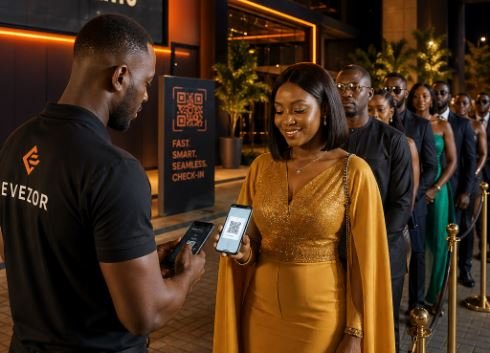
For Shows.ng-ticketed events, the Shows Ticket Scanner gives the check-in team a defined way to verify tickets.
The attendee presents the ticket and staff can scan its barcode to retrieve the ticket information when it is valid.
This can be particularly useful for a larger seminar where several members of staff are checking attendees simultaneously.
The scanner is only one part of the entrance.
You still need enough staff, suitable queue space and an exception process for attendees whose registration needs additional attention.
Open Registration Before the Programme Start Time
If the first speaker is scheduled for 9am, do not plan for 500 people to begin checking in at 8:55am.
Give attendees a realistic arrival window.
Opening registration earlier also gives the team time to handle inevitable exceptions before they begin affecting the programme.
The event itself should still begin when advertised.
Early registration is not an excuse to create a two-hour undefined waiting period where punctual attendees have nothing to do.
Give Early Arrivals a Comfortable Experience
People who arrive early should understand that they are in the correct place and know what happens next.
That might mean clear seating, light background activity, programme information or another simple arrival experience appropriate to the seminar.
You do not need entertainment simply to fill every minute.
You need enough organisation that early attendees do not spend forty minutes wondering whether the event has been delayed.
Start as Close to the Published Time as You Reasonably Can
Professional seminars depend heavily on trust around time.
Many attendees have structured the day around your programme.
A consistent pattern of beginning extremely late tells them that the published schedule does not mean very much.
Build realistic setup and registration time around the start rather than setting an ambitious public time everybody privately expects to miss.
If a genuine delay does occur, communicate it appropriately and protect the most valuable parts of the programme.
Use an MC or Moderator Who Understands the Programme
A seminar host should do more than introduce names.
They help the audience understand how the day connects.
The MC or moderator needs the correct speaker information, programme order and enough context to guide transitions without inventing details.
They should also know who controls timing and what happens when a speaker overruns.
The stronger the seminar structure, the less the MC needs to fill unexplained gaps with random audience interaction.
Protect Speakers From Running Over the Entire Day
If every speaker exceeds their allocation by ten minutes, a six-speaker seminar has already created an additional hour.
Timing therefore needs to be managed intentionally.
Tell speakers their allocated time beforehand and give appropriate cues during the session.
Build a small amount of flexibility into the programme, but do not allow every presentation to expand simply because the audience appears interested.
Interest can continue during Q&A, networking or follow-up.
The rest of the programme still deserves its time.
Build Questions Into the Programme Deliberately
Do not leave Q&A as whatever time happens to remain.
If audience questions are important to the seminar's value, allocate time for them.
Decide whether questions happen after each session, during a panel or in a larger final discussion.
For a very large audience, consider how questions will be selected so one person's five-minute speech disguised as a question does not consume the session.
A moderator should feel comfortable keeping questions relevant and concise.
Do Not Fill the Programme With Speeches Because You Have Many Important Guests
Organisers often feel pressure to recognise sponsors, executives, dignitaries, association leaders and other stakeholders through speaking slots.
The result can be an opening hour in which the audience hears several welcomes before the seminar begins delivering the content they came for.
Acknowledge important people appropriately without turning every relationship into a speech.
The audience's time is also a stakeholder interest.
Breaks Need to Be Long Enough to Work
A ten-minute break for 800 people cannot realistically support toilets, refreshments, phone calls and networking if everybody is using the same facilities.
Think about the audience size and venue.
The larger the seminar, the more movement takes time.
If lunch or refreshments are included, plan service around the actual number of attendees rather than treating catering as a separate supplier issue.
Programme timing and hospitality need to agree with each other.
Networking Needs More Than the Word “Networking” on the Programme
Seminars often advertise networking because professional audiences value connections.
Give it enough structure to happen.
This does not necessarily require forced icebreakers.
Allow useful break time. Create a space where conversations can continue without blocking registration or food service. If particular groups would benefit from meeting, consider whether introductions or facilitated sessions would help.
Networking works best when attendees have both time and context.
Make Slides Visible From the Back of the Room
A seminar speaker may have excellent content that half the room cannot read.
Test presentations in the actual venue.
Look at font sizes, screen placement, lighting and sightlines.
A slide that looks perfectly clear on a laptop can become almost useless on a distant projector screen.
Encourage speakers to design for the room rather than using slides as documents full of small text.
Prioritise Audio
If people cannot hear the speaker, the seminar has a fundamental problem.
Test microphones and sound coverage from different parts of the room.
Plan for the number of people who need microphones during panels and Q&A.
Have an appropriate backup if a microphone fails.
Do not wait for the first keynote to discover that the sound is clear in the first five rows and barely understandable at the back.
Prepare for Power and Technical Failure
Slides, microphones, lighting, registration equipment and other seminar systems may depend on power.
Understand the venue's power arrangements and what backup exists for the parts of the programme that cannot simply stop.
Keep important presentations accessible to the production team rather than allowing every speaker's session to depend entirely on one laptop nobody else can operate.
The goal is not to prepare for every imaginable technical disaster.
It is to remove obvious single points of failure.
Accessibility Should Be Part of Venue and Programme Planning
Consider whether people with mobility, sensory or other accessibility needs can reach the seminar, enter the venue and participate meaningfully.
If the venue has limitations, communicate useful information rather than leaving people to discover them after travelling.
Where the event expects older attendees or people who may not comfortably stand for long, think about seating around registration and break areas too.
Accessibility is much easier to plan before the venue layout is final.
Give Attendees Somewhere to Ask for Help
At a large seminar, staff should be identifiable.
Attendees will have questions about registration, seating, programme changes, facilities and other practical issues.
Do not make the main organiser the only person capable of answering them.
Brief ushers and support staff enough to handle ordinary questions and tell them where to escalate the unusual ones.
The organiser should be available for important decisions, not directions to the toilet.
Collect Feedback Before the Experience Becomes a Vague Memory
A full room does not tell you which sessions were useful.
Applause does not tell you whether attendees found the venue convenient or the programme too long.
Ask.
Keep the feedback focused on decisions you can realistically improve.
You may want to understand speaker usefulness, programme pacing, facilities, networking or whether attendees received what they expected from the topic.
Our guide on collecting attendee feedback effectively explains how to ask those questions without creating an unnecessarily long survey.
Follow Up With Something Useful
Do not allow the seminar relationship to end the second the last speaker leaves.
If resources, slides or recordings were promised, send them according to the arrangement you communicated.
Thank attendees for coming. Ask for feedback where appropriate. If there is a relevant next step, explain it.
A strong follow-up is particularly important when the seminar is intended to lead into a community, programme, course, professional network or future event.
Do not immediately turn every attendee into a target for unrelated promotions.
Review Registration, Attendance and Ticket Data Separately
After the seminar, establish what the numbers actually mean.
How many people registered? How many paid where tickets were sold? How many valid attendees checked in where that information was captured?
Those can be different figures.
This distinction is particularly important before publishing a success story.
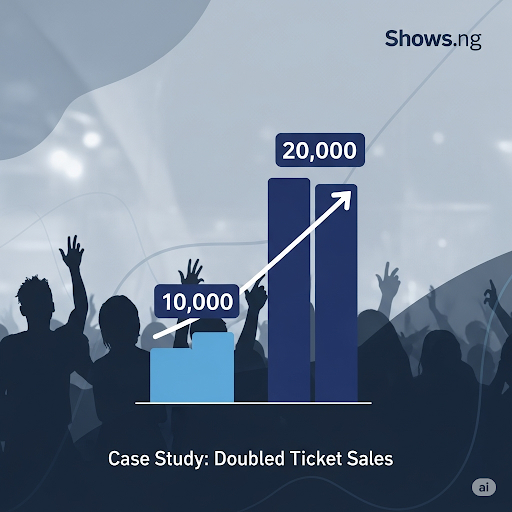
If you say 1,200 people attended, there should be a reasonable basis for saying 1,200 people physically attended rather than 1,200 people registered online.
For Shows.ng events, ticket and sales information remains available to organisers for post-event review, and digital-ticketing data can be compared with entry information where the relevant check-in data exists.
Do Not Turn an Anonymous Attendance Claim Into Your Marketing Strategy
Large numbers make attractive headlines.
They are not necessary for an event to be worth learning from.
If you want to publish a seminar case study, make it credible.
Name the event where appropriate. Explain the audience and objective. Distinguish registrations from verified attendance. Describe what the organisers actually did rather than simply announcing that the turnout was impressive.
If confidentiality prevents those details from being shared, present the article as a planning framework instead of asking readers to accept an anonymous success story as evidence.
Useful lessons do not become weaker because the headline contains a smaller number.
A Successful Seminar Is Built Around What Attendees Need to Take Away
A strong one-day seminar begins with clarity.
Choose an audience, define the problem the event will address and build a programme in which speakers contribute different parts of the solution.
Select a venue that works when the room is full. Create one reliable registration process and start promotion early enough to learn from the response. Use partners and speakers to reach relevant communities, but give everybody the same official event destination.
As attendance grows, let registration data influence operations. Prepare the entrance, audio, seating, breaks, technical backup and attendee support for the crowd you realistically expect.
Then run the programme with enough discipline that attendees receive what they came for without sitting through unnecessary delays and repetitive speeches.
If you are using Shows.ng, the ticket scanner can support digital verification at entry, while the organiser analytics can help you follow ticket activity during the campaign and review it afterwards.
When your seminar plan, speakers and venue are ready, you can create your event on Shows.ng and give prospective attendees one reliable place to understand the programme and register.
A successful seminar is not the one with the most impressive attendance claim. It is the one where the right people showed up, the programme delivered what was promised and the organiser can explain exactly what should be repeated next time.