In this article
- Do Not Set the Ticket Price Because the Flyer Needs a Number
- More Ticket Categories Do Not Automatically Mean More Revenue
- Your Ticket Quantity Should Come From Capacity, Not Optimism
- Do Not Scatter Ticket Sales Across So Many Channels That Nobody Knows the Real Number
- The Buyer Should Not Need to Start a Conversation to Complete Every Purchase
- Do Not Hide Important Information Until After Somebody Has Paid
- Selling the Ticket Is Only Half of Ticketing
- Do Not Make Fake Tickets Easy to Sell
- Do Not Ignore What Sales Are Telling You While the Event Is Still Being Promoted
- Do Not Throw Away the Ticket Data Once Everyone Goes Home
- Ticketing Should Be Designed as Part of the Event Experience
Ticketing can look like one of the simpler parts of organising an event. Decide how much people should pay, create a ticket, share the link and wait for sales to come in.
In reality, several event problems can be traced back to decisions made during ticket setup. A ticket is priced without properly considering the audience. Too many categories are created and buyers cannot understand the difference between them. More tickets are sold than the venue can comfortably handle. Attendees pay but do not receive enough information about what happens next. Then event day arrives and the organiser discovers that selling tickets and admitting hundreds of people efficiently are two very different jobs.
Good ticketing should make the event easier for both sides. The buyer should understand what they are paying for and be able to complete the purchase without unnecessary confusion. The organiser should know how many tickets are available, how sales are moving and how each valid ticket will eventually be checked at the entrance.
When those decisions are made early, ticketing becomes part of the event plan instead of another problem waiting at the gate.
Do Not Set the Ticket Price Because the Flyer Needs a Number
Pricing should happen before your designer asks what amount to put on the artwork.
A ticket price needs to work for the event financially while still making sense to the people you expect to attend. If you choose a figure mainly because a similar event charged the same amount, you may be comparing two completely different audiences, venues and experiences.
A ₦20,000 ticket could feel reasonable for one event and completely unrealistic for another. The difference may come from the audience's spending power, the artists or speakers involved, the location, what the ticket includes and how much trust the organiser has already built.
Start with your costs and realistic attendance expectations. Think about what buyers are receiving and what comparable events are charging, but do not copy another organiser's price without understanding why it worked for them.
Pricing too high can slow sales, but pricing too low can create its own problems. You may attract strong demand and still discover that the event cannot cover the venue, production and other expenses required to give those buyers the experience you promised.
If pricing is still being worked out, our guide on how to price event tickets in Nigeria goes deeper into audience spending power, event costs and the value behind the ticket.
More Ticket Categories Do Not Automatically Mean More Revenue
Regular. Regular Plus. Silver. Gold. VIP. Premium VIP. VVIP. Platinum Table. Diamond Table.
By the time the buyer reaches the checkout page, they may need another article just to understand what they are supposed to purchase.
Different ticket categories can be extremely useful when they represent genuinely different experiences. A standard ticket may provide normal admission while a premium category offers reserved seating, priority entry or another meaningful benefit. Early-bird tickets can reward people who commit sooner. Group or table options can make sense when the event is designed around shared seating.
The problem begins when the differences exist mainly in the names.
If VIP costs significantly more than Regular, explain what the buyer receives for that difference. If VVIP exists as another level, make that distinction equally clear. Avoid forcing guests to send a DM just to understand what your ticket page should already have explained.
Simpler categories can also make event-day entry easier because gate staff need to understand what each ticket allows. If you create twelve access levels, somebody eventually has to recognise and route all twelve correctly when hundreds of people are arriving.
Give people enough choice to serve different needs without turning ticket buying into a test.
Your Ticket Quantity Should Come From Capacity, Not Optimism
One of the more dangerous ticketing mistakes is treating ticket quantity as an unlimited sales target.
If the venue can safely and comfortably support a certain number of attendees, ticket availability should reflect that reality. Selling beyond the usable capacity because more people are willing to pay does not magically create more parking, toilets, seats, exits or space in front of the stage.
Capacity also needs to account for the event setup rather than the size of an empty room. A venue that technically holds 1,000 people may hold fewer once a stage, production area, VIP section, catering setup and other equipment are installed.
Different ticket categories can affect capacity too. If VIP buyers require reserved seating or tables, those spaces need to exist before you sell the tickets. Do not sell twenty premium tables and begin asking where they will fit during setup.
Setting proper ticket limits protects the guest experience as much as it protects safety. A sold-out event should feel exciting because demand reached the available capacity, not uncomfortable because the organiser kept selling long after the space was full.
Do Not Scatter Ticket Sales Across So Many Channels That Nobody Knows the Real Number
Online tickets are selling through one system. A promoter has fifty physical tickets. Another person is taking transfers through WhatsApp. Someone at the venue has been told they can sell another twenty tickets, and three influencers were each given their own allocation.
Then somebody asks how many tickets have actually been sold.
Nobody knows.
Multiple sales channels are not necessarily a problem. Some events have legitimate reasons to combine online sales, physical outlets, partner allocations or controlled gate sales. What becomes dangerous is having no central understanding of how those channels affect the total capacity.
If one person sells a ticket, the remaining availability should reflect it somehow. Otherwise several sellers can continue selling against the same final spaces and nobody discovers the problem until attendance exceeds what was planned.
The same confusion affects financial reconciliation. When sales information is scattered across bank alerts, spreadsheets, paper stubs and personal messages, confirming the total amount collected becomes much harder than it needs to be.
Choose a primary ticketing process and make sure any additional channel is controlled rather than operating as a completely separate event.
The Buyer Should Not Need to Start a Conversation to Complete Every Purchase
There is a difference between offering customer support and making customer support part of the checkout process.
If every interested buyer has to send a message asking for an account number, transfer money, forward a screenshot, wait for confirmation and then ask again for their ticket, the process creates unnecessary work for everyone involved.
That may be manageable when twelve people are attending a private event. It becomes much less attractive when hundreds or thousands of tickets are being sold.
People also buy at inconvenient times. Someone may see your concert promotion late at night and decide they want to attend immediately. If the purchase depends on waiting until morning for somebody to respond to a DM, the organiser has introduced a delay at the exact point when the buyer was ready to act.
Use a clear booking destination and keep the official ticket link consistent throughout your promotion. The flyer, social media bio, influencer post and WhatsApp campaign should not lead buyers into four different payment processes.
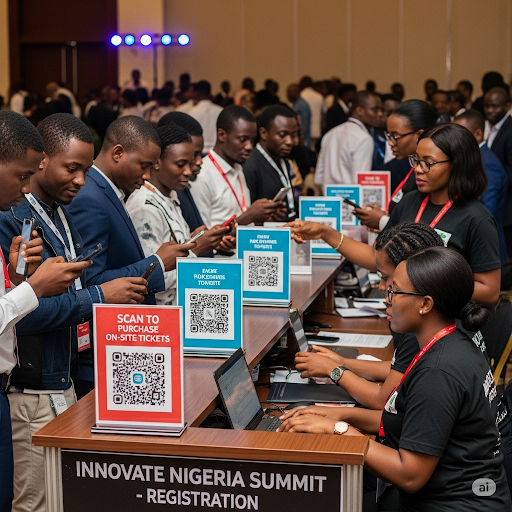
Shows.ng currently supports ticket purchases through Nigerian cards, bank transfer and USSD, as well as supported international card payments for buyers paying in other available currencies. The important thing for the organiser is to give attendees a recognised checkout process instead of manually approving every payment.
Do Not Hide Important Information Until After Somebody Has Paid
A buyer should understand the important conditions attached to a ticket before purchasing it.
If the event has an age restriction, say so. If a ticket admits only one person, make that clear. If VIP access includes specific benefits, explain them before checkout. If the event has a refund or transfer policy, attendees should not have to discover the rules only when they need one.
The venue and timing matter too. A person may have purchased based on an earlier flyer without noticing that the location changed later. Important updates need to reach attendees clearly rather than relying on everyone happening to see another Instagram post.
Ambiguous ticket information creates unnecessary disputes because the buyer and organiser may have completely different ideas about what was purchased.
Clarity also helps your event team. When ticket categories and conditions are properly defined, staff have something reliable to work from instead of trying to interpret vague promises made through individual conversations.
Selling the Ticket Is Only Half of Ticketing
Organisers can spend months concentrating on sales and barely think about what happens when all those buyers arrive at the same place.
A successful campaign can actually make a weak gate process more obvious.
If you sell 2,000 tickets and expect most guests within a short arrival window, the entrance needs enough capacity to process those people. One scanner or one person checking names will not become faster because the event sold out.
Think about the relationship between ticket verification, security screening and guest direction. These responsibilities should work together without creating one giant queue where every person is waiting for several unrelated checks.
If a guest has a genuine ticket problem, move that case away from the main entry flow where possible. The person investigating an unusual payment or booking issue should not hold up fifty guests whose tickets are perfectly valid.
For larger events, rehearse the process with the people who will actually work the gate. A short test can reveal whether staff understand the scanner, ticket categories and what to do when a ticket is rejected.
Our guide on how to avoid messy event entry goes deeper into ticket scanning, queue design and preparing the gate team before attendees arrive.
Do Not Make Fake Tickets Easy to Sell
Ticket security should be part of the system rather than depending entirely on whether the person at the entrance thinks a ticket looks genuine.
Printed tickets can still have a place at some events, but simply looking at a piece of paper is a weak verification method when copies can be created or the same ticket can be presented by more than one person.
Digital tickets can improve this process when each ticket has a unique code that can be verified against the event's ticketing records.
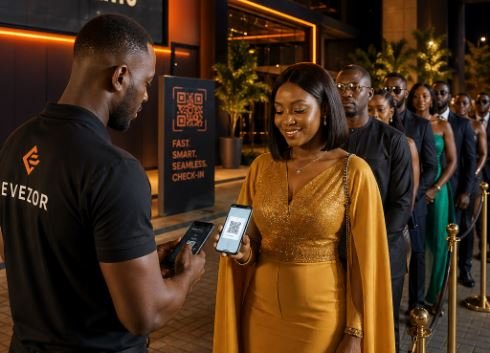
Shows.ng currently generates unique QR-coded tickets, and its scanner can verify attendee tickets, detect duplicate scans and continue scanning offline where connectivity is unreliable. That gives the gate team something more reliable than visually comparing screenshots or searching through payment messages.
The organiser still needs to communicate where genuine tickets are sold. If your official ticketing page is on Shows.ng, make that link obvious in your promotional content and warn buyers against random people claiming to have cheaper tickets through DMs.
Fake-ticket prevention begins before the gate because somebody who sends money to the wrong person may never receive a genuine ticket for your scanner to verify.
Our guide on how to stop fake tickets from affecting your event looks more closely at official sales links, QR verification and preparing gate staff for suspicious tickets.
Do Not Ignore What Sales Are Telling You While the Event Is Still Being Promoted
Ticket data becomes useful before the event is over.
If sales start strongly and suddenly slow down, something may have changed. If one ticket category is selling quickly while another is barely moving, the market is giving you information about how people see the value of those options.
This does not mean changing the entire campaign every time one day is slower than the previous one. Ticket buying naturally moves in waves, and Nigerian events can have a significant amount of late purchasing.
The useful habit is knowing what is happening instead of promoting blindly.
Compare ticket sales with the targets you set. Look at whether an early-bird deadline created movement. Watch which categories are approaching capacity and avoid continuing to advertise an option that is no longer available.
Shows.ng currently provides organisers with sales and event analytics that can be followed while tickets are selling, which makes it possible to evaluate performance before event day rather than waiting until everything is finished.
If you want to go deeper into that side, read our guide on understanding real-time event analytics and reporting.
Do Not Throw Away the Ticket Data Once Everyone Goes Home
The end of the event is when ticket information becomes useful in a different way.
Compare what you expected with what actually happened. Which ticket category sold fastest? When did sales accelerate? How many ticket holders checked in? Did early-bird buyers behave differently from people who purchased close to the event? Did one premium category perform better than expected?
Those answers can improve the next event.
If most tickets sold during the final week, perhaps the next campaign needs stronger reasons to buy early. If Regular sold well but VIP struggled, investigate whether the premium offer provided enough additional value. If a large number of paid ticket holders never attended, that can affect how you think about capacity and communication next time.
The important thing is to avoid beginning every new event with the same assumptions.
Ticketing creates a record of how people responded to your event. Use it.
Ticketing Should Be Designed as Part of the Event Experience
The biggest mistake is treating ticketing as a small administrative task that happens after the real event planning is finished.
The ticket price affects whether people buy. The categories affect what they expect. The payment process influences whether interest turns into a completed purchase. Capacity limits determine how many people you can safely host. The ticket itself affects what happens at the entrance, and the sales information can influence how you market both this event and the next one.
Those things connect.
Plan the ticket structure before launching sales. Make each category understandable. Set quantities according to the real venue capacity, not how much revenue you wish you could make. Give buyers one clear route to purchase, communicate important conditions before they pay and think about how every valid ticket will eventually move through the gate.
Then watch the sales while the campaign is active and review the results when the event is over.
If you are preparing a ticketed event, you can create your event on Shows.ng, set up the ticket options and give attendees one official booking link to use throughout your campaign.
Good ticketing should not become the part of your event everybody remembers. It should make buying, entering and managing the event feel so straightforward that people barely have a reason to think about it.