In this article
- The Personality Has to Matter to the Audience You Can Actually Reach
- Secure the Guest Properly Before You Start Selling Access
- Decide What the Attendee Is Actually Paying For
- Do Not Sell Intimacy to More People Than the Guest Can Realistically Meet
- Ticket Tiers Should Represent Real Differences in Access
- Premium Pricing Needs Premium Clarity More Than Premium Decoration
- Port Harcourt Location Matters Beyond Looking Upscale
- The Event Can Be Public Without the Actual Access Being Unlimited
- Scarcity Should Come From Real Capacity
- The Guest Should Participate in Promotion
- Sell the Access, Not Empty Hype
- Plan the Photograph Before the First Fan Reaches the Guest
- Keep the Queue Away From the Actual Interaction
- Ticket Scanning Can Keep Paid Access More Orderly
- Security Should Protect the Experience Without Making Fans Feel Like Suspects
- The Personality Needs Breaks Too
- Do Not Overschedule the Event Around the Meet-and-Greet
- Be Extremely Clear About Timing
- Shows.ng Attendee Messaging Can Help With Important Updates
- Tell Attendees What They Can and Cannot Bring
- Respect the Guest's Boundaries and the Fan's Boundaries
- The Best Staff Members Know How to Keep Things Moving Without Killing the Moment
- Premium Refreshments Are Optional, Basic Comfort Is Not
- Use the Event to Create Content Without Turning Fans Into Background Props
- A Successful First Edition Should Make the Next One Easier to Judge
- Follow Up While the Experience Still Feels Personal
- A Paid Meet-and-Greet Has to Deliver Access, Not Just Proximity
People do not usually pay for a meet-and-greet because they want to stand in the same building as somebody famous.
They pay because they expect access.
They want the photograph they could not get at a normal concert. They want enough time to say something personally. They may want an autograph, a short conversation, a small-group experience or simply the feeling that they were closer to someone they admire than they would normally be.
That distinction is what makes a paid meet-and-greet different from inviting a celebrity to appear at another event.
If the organiser charges specifically for access, the experience has to deliver something that ordinary public appearances do not.
The original version of this article described an unnamed paid meet-and-greet in Port Harcourt as a sold-out success. Without the event name, guest, date, venue or ticket information, it is difficult to treat that particular story as a documented case study.
The more useful question is what an organiser in Port Harcourt, Lagos, Abuja or anywhere else in Nigeria would actually need to get right before asking fans to pay for personal access.
The Personality Has to Matter to the Audience You Can Actually Reach
A meet-and-greet starts with the person people are coming to meet.
That sounds obvious, but popularity is contextual.
Someone can have a large following nationally and still struggle to attract enough paying fans in one particular city. Another personality may have a smaller overall audience but a much stronger relationship with people in Port Harcourt.
Look beyond follower count.
Does the personality regularly receive genuine fan engagement? Do people travel to see them? Are followers asking for opportunities to meet them? Does their content or work have a strong connection with the city where you want to host the event?
A musician, actor, comedian, creator, athlete, author or internet personality can all support a paid meet-and-greet, but the fan relationship has to be strong enough for physical access to feel valuable.
If people enjoy someone's content casually but have little desire to meet them personally, the event may generate likes without generating enough ticket demand.
Secure the Guest Properly Before You Start Selling Access
The person being promoted is not simply another line on the flyer.
The entire event depends on their presence.
Confirm availability, timing, fees, travel arrangements, accommodation where necessary, the expected duration of the appearance and exactly what the personality has agreed to do.
Is the guest taking individual photographs? Signing items? Spending a particular amount of time with each ticket holder? Participating in a short Q&A? Are there things they will not do?
These details need to be agreed before marketing begins.
Do not sell a highly personal interaction and then discover that the guest believed they were only appearing for photographs with groups.
If you need help sourcing or arranging an artist, comedian, MC or another event personality, Shows Talent Booking allows organisers to submit a talent request and coordinate booking arrangements through the Shows.ng ecosystem.
However you secure the guest, put the agreement in writing. A paid meet-and-greet is too dependent on one person for important expectations to live entirely inside phone calls and WhatsApp voice notes.
Decide What the Attendee Is Actually Paying For
“Meet and greet” can mean very different things.
At one event, it may mean a quick photograph and thirty seconds of interaction. At another, twenty guests may spend an hour in a smaller room talking with the personality. A premium experience might include signed merchandise, reserved seating at another programme or additional access.
Neither model is automatically better.
The problem comes when the buyer expects one version and receives another.
Describe the experience clearly before payment.
If the interaction is brief because many people need to be accommodated, say enough for attendees to understand the format. If the event is genuinely intimate, protect the capacity so that intimacy remains possible.
The ticket price makes much more sense when the attendee understands what their money buys.
Do Not Sell Intimacy to More People Than the Guest Can Realistically Meet
This is one of the most important calculations in the entire event.
Imagine that one hundred people buy tickets and every attendee expects three minutes of personal interaction.
That alone represents five hours, before breaks, photographs taking longer than expected or any programme around the interaction.
The numbers have to work.
If you want a genuinely personal experience, capacity may need to remain small.
If you want a larger audience, the interaction format may need to change. Perhaps guests move through a structured photograph session rather than expecting an extended conversation. Another model might place attendees into small groups for part of the experience.
Do not call something exclusive simply because tickets are expensive.
Exclusivity should be reflected in how much access each attendee actually receives.
Ticket Tiers Should Represent Real Differences in Access
A paid meet-and-greet can support more than one ticket category when the experiences are genuinely different.
Perhaps one category provides admission to a small conversation and group photograph, while a more limited tier includes an individual photograph and signed item.
Another event may combine general admission to a performance with a smaller meet-and-greet add-on for selected fans afterwards.
Shows.ng supports paid events with flexible ticket categories, so organisers can create different ticket types when there are real differences in access.
Keep the structure understandable.
You probably do not need Regular, Silver, Gold, Diamond, Platinum and Executive Access for an event involving eighty people.
The buyer should be able to understand why one ticket costs more without studying a complicated comparison chart.
Premium Pricing Needs Premium Clarity More Than Premium Decoration
Organisers sometimes assume that because the ticket is expensive, the venue needs to look extremely luxurious.
The environment matters, but the real premium value comes from the experience.
A tasteful, comfortable venue where the interaction feels organised may serve the event better than an expensive ballroom that consumes most of the budget.
Think about privacy, comfort, photography, sound and movement.
Can fans actually hear the guest during conversation? Is there somewhere suitable for photographs? Does the personality have a private space before and after the session? Can people waiting for their turn do so comfortably?
A meet-and-greet is an interaction event before it is a décor event.
Port Harcourt Location Matters Beyond Looking Upscale
If you are hosting in Port Harcourt, choose the venue according to where your target audience can realistically reach.
A beautiful venue becomes less attractive when guests repeatedly struggle to find it or transport becomes unnecessarily difficult.
Think about parking, ride-hailing access and how easily someone unfamiliar with the property can locate the correct entrance.
Also consider what happens outside the event.
If a popular personality attracts people who do not have tickets but still hope to catch a glimpse, does the venue have enough control around the entrance to keep the experience manageable?
Prestige means very little if the gate becomes chaotic.
The Event Can Be Public Without the Actual Access Being Unlimited
A meet-and-greet may need broad promotion because the organiser wants fans to discover it.
That does not mean capacity should be open-ended.
The public can see the event while only a defined number of tickets remain available.
There are also situations where the experience is intentionally invitation-led.
Shows.ng supports private events that do not appear in public searches and can be accessed only through a direct link. That can be useful for a small industry meet-and-greet, private fan session, sponsor experience or another gathering where broad public discovery is not the objective.
You can read more about the distinction in the Shows.ng guide to public and private events.
Use private access because the event actually needs controlled visibility, not simply because calling something secret sounds more exclusive.
Scarcity Should Come From Real Capacity
A meet-and-greet already has one natural marketing advantage: access is limited by time.
One guest can only meet so many people properly during one session.
That creates genuine scarcity.
Use it honestly.
If only fifty premium sessions are available, say so. When they are gone, they are gone.
There is no need to repeatedly tell people that tickets are “almost sold out” when most of the allocation remains.
False scarcity may produce a few additional sales now, but it damages trust when audiences realise the same urgent message has been running for three weeks.
The Guest Should Participate in Promotion
A meet-and-greet is much easier to sell when the personality themselves acknowledges that it is happening.
A flyer posted only by the organiser can leave fans wondering how involved the advertised guest actually is.
A short video from the personality confirming the date, mentioning Port Harcourt and inviting fans can make the event feel much more real.
Behind-the-scenes preparation can also build anticipation where appropriate.
Do not reveal the entire experience beforehand, but let the audience see enough evidence that the guest is involved and that the event is being properly prepared.
Make sure promotional promises match the agreement you already made with the personality.
The guest should not casually promise every attendee a ten-minute conversation if the event has been designed around two-minute photograph sessions.
Sell the Access, Not Empty Hype
Marketing language around celebrity experiences can become exaggerated quickly.
Once-in-a-lifetime. Unforgettable. The biggest fan experience ever.
Those phrases do not explain the ticket.
Tell people what happens.
If they get an individual photograph, say it. If the guest will answer questions in a small group, explain that. If an item is included, mention it. If the ticket also includes admission to another programme, make that relationship clear.
The more expensive the ticket becomes, the more important clarity becomes.
People will decide for themselves whether the experience is worth the price.
Your job is to give them enough accurate information to make that decision.
Plan the Photograph Before the First Fan Reaches the Guest
Photography is often one of the main things attendees expect from a meet-and-greet.
That means it should not be improvised.
Decide whether the attendee uses their own phone, whether an official photographer handles the images or whether both options are available.
If an official photographer is being used, decide how guests receive their photographs and how quickly that can reasonably happen.
Think about lighting and background too.
The guest should not spend an entire premium session standing in front of a badly lit wall while every attendee leaves with a photograph they do not particularly want to share.
The photograph is often part of the value the fan carries home.
Keep the Queue Away From the Actual Interaction
A personal experience stops feeling personal when the attendee can see eighty impatient people staring at them from one metre away.
Where the venue allows it, separate waiting from interaction.
Guests can be checked in and directed to a comfortable waiting area before moving towards the personality in manageable groups.
This gives the organiser better control over timing and gives the person currently meeting the guest a little psychological space.
It also helps protect the personality from being surrounded constantly.
If the event has different ticket categories or session times, staff should understand exactly when each group moves forward.
Ticket Scanning Can Keep Paid Access More Orderly
When access itself is what people paid for, ticket verification becomes particularly important.
You do not want somebody using a forwarded screenshot to enter an expensive limited-capacity session while the legitimate buyer is still outside.
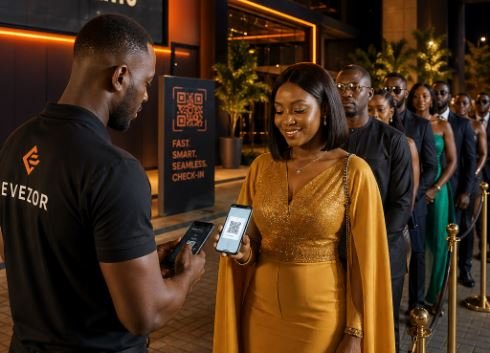
For ticketed events on Shows.ng, organisers can use the Shows Ticket Scanner to verify ticket QR codes and barcodes at entry.
The scanner displays ticket information and can identify valid tickets during check-in. You can see the process in the Shows.ng ticket scanner guide.
Technology still needs a sensible gate process around it.
Have enough staff for the expected arrival pattern and move unusual ticket problems away from the main queue where possible.
Security Should Protect the Experience Without Making Fans Feel Like Suspects
A meet-and-greet involving a recognisable personality needs sensible security.
The exact level depends on the guest, venue and expected audience.
Security should know who has access to the personality, where fans are allowed to move and what happens if somebody ignores instructions.
At the same time, unnecessarily aggressive behaviour can damage an event built around closeness and warmth.
Brief the security team on the type of event they are working.
A fan becoming excited and taking a little too long during a photograph is not the same as a genuine security threat.
The team needs enough judgement to know the difference.
The Personality Needs Breaks Too
Fans naturally focus on the few minutes they have purchased.
The organiser needs to think about the person delivering those minutes repeatedly.
Meeting dozens of strangers, posing for photographs and maintaining energy can become tiring quickly.
Build realistic breaks into longer sessions.
Provide water and a private area. Make sure the guest knows the schedule rather than discovering on arrival that the organiser expects four uninterrupted hours of interaction.
The quality of later fan experiences will suffer if the personality is visibly exhausted by the time the final group enters.
Do Not Overschedule the Event Around the Meet-and-Greet
Sometimes organisers try to make a premium ticket look more valuable by adding too many programme items.
There is a DJ, panel discussion, comedy performance, games, speeches, product presentation and several other things before the interaction everybody actually paid for.
More is not automatically more valuable.
If the main attraction is access to the personality, protect enough time for that access to happen properly.
Supporting activities can improve the atmosphere and make waiting more comfortable, but they should not turn the event into a completely different concept.
The programme should serve the meet-and-greet rather than compete with it.
Be Extremely Clear About Timing
Paid access creates stronger expectations around time.
If somebody purchased a session beginning at 2pm, they should not spend several unexplained hours waiting for the guest to arrive.
Build the schedule realistically before selling it.
Do not create tightly packed session times if the guest's travel arrangements make punctuality uncertain. Give the operational team enough room to manage check-in and transitions.
If something important changes, communicate with attendees rather than hoping everybody discovers the new arrangement after arriving.
Shows.ng Attendee Messaging Can Help With Important Updates
If attendees booked through Shows.ng, organisers can send messages to people connected to the event from the attendee section of the organiser dashboard.
That can be particularly useful for an experience where arrival instructions matter.
You might need to communicate a check-in time, explain an entry requirement, remind attendees what to bring or send an important update affecting the session.
Afterwards, the same communication route can be useful for a genuine thank-you, a photograph link or another relevant follow-up.
The Shows.ng attendee messaging guide explains how organisers can send those messages.
Use that access carefully. Someone buying a meet-and-greet ticket has given you an opportunity to communicate about that event, not an invitation to send unrelated promotions indefinitely.
Tell Attendees What They Can and Cannot Bring
Fans sometimes arrive with gifts, albums, clothing, books, posters or other items they hope the personality will sign.
Decide what is allowed before the event.
If only one item can be signed, say so. If large gifts cannot be accepted, communicate that. If photography equipment is restricted, explain the rule beforehand.
This avoids staff inventing policies at the door.
The rules should also come from genuine operational or security needs rather than unnecessary control.
A smooth event usually has fewer surprises for both the attendee and the team.
Respect the Guest's Boundaries and the Fan's Boundaries
A meet-and-greet creates unusual closeness between people who normally know each other only through screens, music, films or public appearances.
Boundaries matter.
Fans should understand that paying for access does not mean they can demand any type of physical contact, question or photograph they want.
The personality should also respect attendees.
People who purchased an experience should not be mocked, rushed unnecessarily or treated as if their excitement is inconvenient.
Staff can help by setting expectations before each interaction rather than intervening only after somebody becomes uncomfortable.
The Best Staff Members Know How to Keep Things Moving Without Killing the Moment
Meet-and-greets have a difficult operational balance.
Every interaction needs to end eventually, but guests should not feel as though somebody is counting down behind their head from the moment they say hello.
Train staff to manage transitions politely.
They can help guests prepare before reaching the personality, make sure phones or cameras are ready and direct people smoothly afterwards.
Small efficiencies protect the actual interaction.
If every fan spends the first minute unlocking their phone and looking for the camera app, the event loses a surprising amount of time.
Premium Refreshments Are Optional, Basic Comfort Is Not
The original article presents refreshments as part of successful execution.
They can be a nice addition, but they are not what makes every meet-and-greet premium.
Comfort matters more.
If guests will wait for a significant period, give them somewhere appropriate to wait. Make water available where reasonable. Ensure toilets are accessible and the environment is not unnecessarily hot or overcrowded.
Spend according to what the event actually needs.
A beautifully packaged drink does not compensate for leaving people standing in a corridor for ninety minutes.
Use the Event to Create Content Without Turning Fans Into Background Props
A meet-and-greet naturally produces photographs and social content.
That can help the personality, organiser and future editions.
But remember that attendees paid for their own experience first.
Do not delay interactions constantly because the media team needs another staged video. Do not assume every attendee wants their conversation filmed and published.
Where you intend to capture people prominently for promotional content, handle consent appropriately.
Some of the strongest event content will happen naturally anyway: arrivals, reactions, photographs and the visible excitement of people meeting someone they admire.
A Successful First Edition Should Make the Next One Easier to Judge
If the concept is intended to return, use the first event to learn.
Which ticket category attracted the most interest? Did buyers purchase quickly or wait until the final days? Was the session capacity appropriate? Did interactions repeatedly run longer than expected?
Listen to attendees too.
Did they feel they received enough time? Was the waiting process comfortable? Did the photography system work? Did the experience feel worth what they paid?
The answers can tell you whether the next edition should be larger, smaller, more expensive, differently structured or perhaps not repeated at all.
Do not assume that a busy room automatically proves the business model is perfect.
Follow Up While the Experience Still Feels Personal
A meet-and-greet has one advantage over many larger events: attendees have a very specific memory attached to it.
Use that moment thoughtfully.
If official photographs need to be distributed, do it as efficiently as possible. Thank attendees. Ask for concise feedback where it will genuinely influence another edition.
If the same personality will return later, previous attendees may become some of the strongest promoters because they can speak from experience.
But do not immediately reduce the relationship to another sale.
Allow people to enjoy what they just paid for before every message becomes an invitation to buy something else.
A Paid Meet-and-Greet Has to Deliver Access, Not Just Proximity
The idea can work in Port Harcourt just as it can work in Lagos, Abuja or another city when there is a genuine audience-personality connection.
But the organiser has to protect the reason people bought the ticket.
Choose somebody fans genuinely want to meet. Agree clearly on what the personality will deliver. Set capacity according to how much interaction is realistic. Price different ticket categories only when the access genuinely changes.
Choose a venue that supports privacy, movement, photography and guest comfort. Verify paid access properly at the gate, communicate important information before attendees arrive and train staff to keep the experience moving without making it feel rushed.
Several current Shows.ng tools can support that structure where they are relevant. Paid ticket categories can separate genuinely different experiences, private event support can help with link-only sessions, the Shows Ticket Scanner can help verify paid access, and attendee messaging can support important pre-event and post-event communication.
If the personality itself is still the missing part of the plan, you can also explore Shows Talent Booking for artist and talent booking requests.
Once the experience is properly defined, you can create your event on Shows.ng and build the ticket structure around the amount of access you can genuinely deliver.
A paid meet-and-greet becomes premium when the fan leaves feeling that they genuinely met the person they came for, not merely that they stood near them long enough to take a photograph.