In this article
- Start by Separating Ticket Tiers From Reserved Seats
- Tiered Seating Works Best When the Differences Are Real
- Different Prices Can Help You Use the Same Venue More Intelligently
- Reserved Seating Removes the Race for the Best Chair
- Shows.ng Seat Maps Can Connect the Ticket to an Actual Seat
- Each Ticket Category Can Have Its Own Seating Structure
- Let the Venue Decide How Many Tiers You Actually Need
- Seat Maps Can Also Help You Control Seats That Should Not Be Sold
- Reserved Seating Can Give Ushers Better Information
- Ticket Scanning Should Lead Naturally Into Seating
- Tiered Seating Can Improve Expectations Before Event Day
- Premium Seating Should Feel Premium in the Room, Not Only at Checkout
- Do Not Use Seating Tiers to Manufacture False Scarcity
- Watch Which Categories People Actually Choose
- Think About Groups Before You Finalise the Layout
- Accessibility Should Be Part of the Seating Plan From the Beginning
- Free Seating Is Still the Better Choice for Some Events
- Test the Seating Plan Before Tickets Go on Sale
- A Better Seating System Is Really About Reducing Uncertainty
Seating can look like one of the simpler parts of event planning until hundreds of people arrive expecting different things.
One person bought VIP because they assumed it meant sitting close to the stage. Another paid for Regular but arrived early enough to occupy a better seat. A sponsor has been promised a particular table, yet nobody told the ushers. Several guests start moving chairs, and suddenly the seating plan that looked perfectly clear during setup is becoming an argument.
This is where tiered seating can help.
But tiered seating is not simply putting Regular, VIP and VVIP on three ticket types and charging different prices.
A good seating structure connects the ticket somebody buys with the experience they should actually receive. That might mean a particular section of the venue, a specific table, an individually numbered seat or additional benefits beyond the seat itself.
For some events, that structure can improve pricing, guest expectations and crowd movement considerably. For others, especially standing events or very informal gatherings, forcing everybody into assigned seats would add unnecessary complexity.
The question is not whether every Nigerian event needs tiered seating. It is whether your venue and event experience would become easier to understand if different guests knew exactly where they belonged before they arrived.
Start by Separating Ticket Tiers From Reserved Seats
These two ideas are related, but they are not exactly the same.
A ticket tier is a category such as Regular, VIP, VVIP, Premium, Table or Balcony. Different categories can have different prices, access areas or benefits.
Reserved seating goes further by connecting a ticket to an actual seat or position.
For example, your theatre event might sell Regular and Premium tickets while still allowing free seating inside each section. Another event may allow a Premium buyer to choose Seat A12 specifically during checkout.
Those are different systems.
This distinction matters because organisers sometimes promise reserved seating when what they actually have is reserved access to a general area.
If somebody pays for VIP Section, they should understand whether that means any available chair inside VIP or one exact seat that belongs to them.
Clarity before purchase prevents arguments on event day.
Tiered Seating Works Best When the Differences Are Real
If you charge different prices, guests naturally expect something to justify those differences.
Location can be one reason.
Seats closer to the stage may reasonably cost more at a concert, comedy show or theatre production. A conference might have a premium section closer to the speakers. A dinner or social event may price tables according to position, service level or other genuine benefits.
The important word is genuine.
Do not create Regular, VIP, Gold, Platinum and Diamond simply because five ticket categories sound more sophisticated than two.
Every additional tier gives your buyer another decision to understand and gives your team another promise to fulfil.
If the difference between Gold and Platinum cannot be explained clearly in one or two sentences, the structure may be more complicated than the event needs.
Different Prices Can Help You Use the Same Venue More Intelligently
One advantage of tiered seating is that every part of a venue does not need to carry exactly the same price.
A seat directly in front of the stage and one much farther away may not offer the same experience, especially at performances where sightlines and proximity matter.
Instead of pretending every seat has identical value, organisers can structure prices around meaningful differences.
This does not automatically mean making everything expensive.
In fact, tiering can also preserve more affordable access.
A concert might have a lower-priced section for people who mainly want to be in the room, while attendees who care strongly about proximity can choose a higher category. A conference can offer standard admission alongside a smaller premium seating section with clearly defined extras.
The audience gets more choice, and the organiser is not forced to choose one single price that has to make sense for every attendee.
Shows.ng supports multiple ticket categories, so organisers can create different ticket types and prices when the event genuinely has different access levels. The current Shows features also include structured seat maps for events where the distinction needs to go all the way down to individual seats.
Reserved Seating Removes the Race for the Best Chair
General seating creates a very particular kind of behaviour.
People arrive early because they want the best position. Friends attempt to reserve several empty chairs. Guests start moving seats. Someone leaves temporarily and returns to discover another person sitting there.
For many events, none of this is a serious problem.
At a casual gathering, free seating may be exactly what the atmosphere needs.
But when the seat itself is part of what the person paid for, a reserved system can remove unnecessary competition.
The buyer already knows where they will sit. Arriving earlier may still matter for parking, security or networking, but there is less pressure to rush into the room simply to protect a chair.
This can be particularly useful for theatre shows, comedy events, formal concerts, award programmes, certain conferences and other events built around a fixed seated audience.
Shows.ng Seat Maps Can Connect the Ticket to an Actual Seat
This is where the Shows.ng Seat Map feature becomes directly useful.
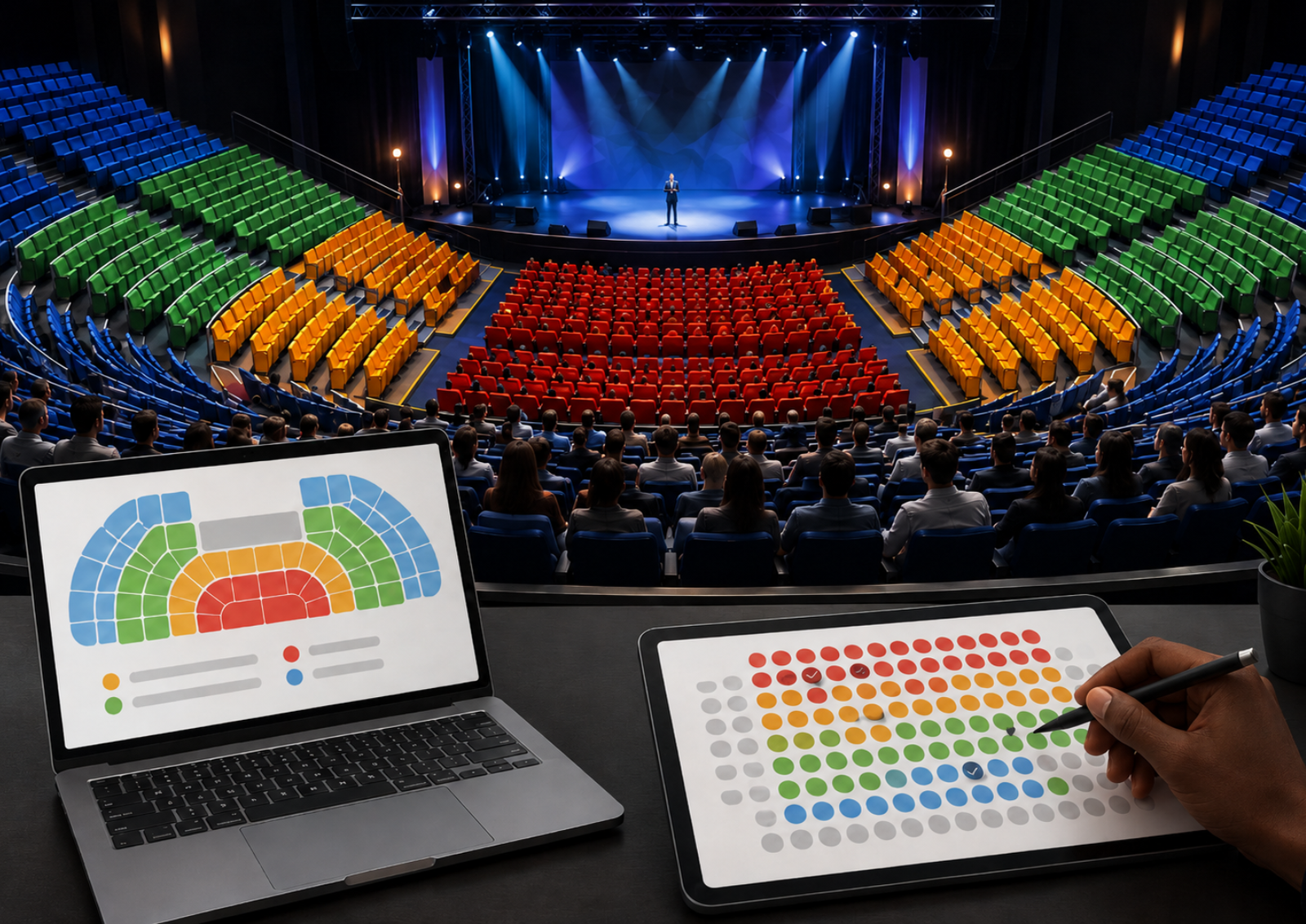
When creating a ticket, an organiser can enable a seat map instead of selling that ticket only by quantity. The seating layout can then be defined using rows, seats per row and seat labels.
The organiser can choose whether attendees select their own seats during checkout or whether seats should be assigned automatically after the booking.
That gives you two very different guest experiences.
Allowing attendees to choose can work well when seat position strongly affects the experience. Someone buying theatre tickets, for example, may care whether they are in the middle of a row or closer to an aisle.
Automatic assignment can make more sense when you want the certainty of numbered seating without asking every buyer to study a map during checkout.
You can read the setup process in the Shows.ng Seat Map guide.
The important thing is not using a seat map just because it is available. Shows.ng itself notes that the feature is optional and is intended for events with structured seating. Standing events, free-seating events and venues without meaningful row-and-seat arrangements can continue using regular tickets.
Each Ticket Category Can Have Its Own Seating Structure
Another useful part of the Shows.ng implementation is that seat maps are configured per ticket rather than as one blanket setting for the entire event.
That matters when different categories occupy genuinely different parts of the venue.
Imagine a comedy show with Premium seats directly in front of the stage and Regular seats behind them. The organiser can structure those categories differently rather than pretending the entire venue is one identical seating block.
A concert could use one arrangement for a seated premium section while another ticket category does not require individual seat selection at all.
This flexibility is useful because real venues are rarely perfect rectangles where every attendee has exactly the same experience.
Your ticket structure should reflect the venue rather than forcing the venue to fit an unnecessarily rigid ticket structure.
Let the Venue Decide How Many Tiers You Actually Need
Before naming ticket categories, study the room.
Stand where the stage will be and look outward. Then sit in different parts of the audience area.
Where does the experience genuinely change?
Perhaps the first few rows have significantly better proximity. Maybe a balcony creates a distinct viewing experience. At a banquet, tables nearest the main activity may carry particular value. Some areas may have restricted sightlines and should not be priced as though they are premium seats.
Your venue should help determine the structure.
Do not decide months in advance that the event must have Regular, Silver, Gold and Platinum and then desperately search for four areas inside a hall that really only has two meaningful viewing experiences.
Sometimes Regular and VIP are enough.
Sometimes three or four categories genuinely make sense.
Sometimes everybody should simply have the same ticket.
Seat Maps Can Also Help You Control Seats That Should Not Be Sold
Not every physical chair in a venue should necessarily appear for sale.
A seat may have a poor view because of production equipment. You may need to reserve positions for speakers, sponsors, crew members or accessibility requirements. Certain areas may need to remain clear for operational reasons.
Shows.ng's seat-map system allows organisers to block and unblock specific seats while managing the layout.
That can be much cleaner than selling the entire room and then discovering later that several positions should never have been available.
Blocked seating should still be planned deliberately. Do not remove good public seats simply because somebody on the organising team might decide at the last minute that they need ten extra complimentary places.
Build legitimate operational and guest requirements into the plan early.
Reserved Seating Can Give Ushers Better Information
A seating plan only works when the people managing the room understand it.
Your ushers should not be seeing the categories for the first time when guests begin arriving.
Walk the team through the layout.
They should know where each section begins and ends, which routes should be used to reach different seating areas and where unusual ticket problems should be escalated.
If seats are individually numbered, make the labelling physically visible enough that guests can find them without repeatedly asking staff for help.
A digital seat map cannot compensate for a venue where Row A is unmarked and Seat 12 exists only inside the organiser's imagination.
The physical setup and the ticket information have to agree.
Ticket Scanning Should Lead Naturally Into Seating
The gate and the seating area should not operate like two unrelated events.
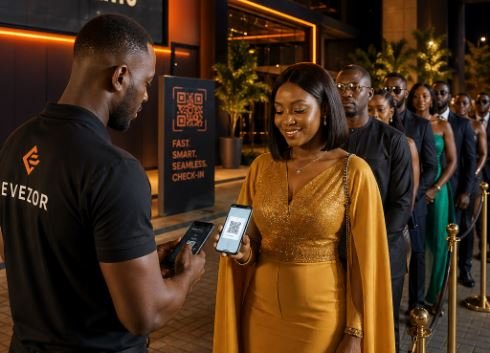
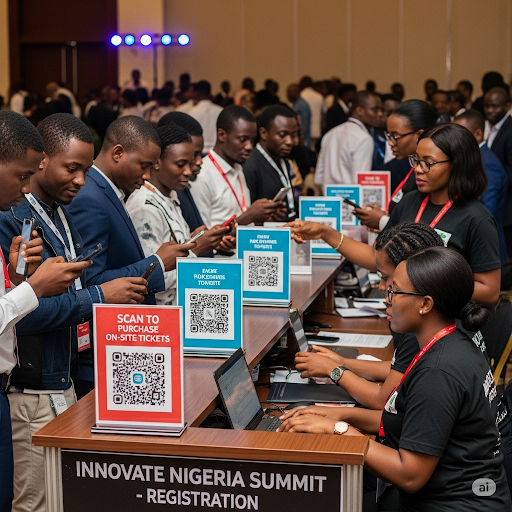
If somebody arrives with a VIP ticket, the check-in team should be able to verify that category and send them towards the correct area without creating another argument farther inside the venue.
The Shows.ng scanner supports multiple ticket tiers and can distinguish between categories such as Regular, VIP and other ticket types during entry.
That can help the gate team confirm what the guest bought before directing them.
But the technology still needs a human plan around it.
If every category enters through the same door and then immediately crosses one another to reach opposite sides of the venue, verification alone will not solve the crowd flow.
Think about the journey from scan to seat.
The fewer unnecessary crossings, questions and reversals a guest encounters, the calmer arrival feels.
Tiered Seating Can Improve Expectations Before Event Day
A large part of event frustration comes from people arriving with different assumptions.
Someone hears “VIP” and imagines front-row seating. The organiser meant access to a separate lounge. Another buyer sees “Table” and assumes an entire table belongs to them when the ticket actually covers one seat at a shared table.
The ticket description needs to do some work.
Tell buyers what the category actually includes.
If Regular is free seating within a specific section, say that. If VIP includes a reserved seat, state it. If a table package covers six people, make the number clear. If somebody is selecting an individual seat during checkout, the process itself should reinforce that distinction.
Clear expectations are better than impressive category names.
Premium Seating Should Feel Premium in the Room, Not Only at Checkout
Charging more for a seat creates a promise.
If the premium section is closer to the stage but guests cannot comfortably see because production equipment blocks half the view, the price label will not save the experience.
Think beyond distance.
Is the area comfortable? Can people enter and leave without disrupting the entire row? Does the seating match what the ticket description promised? If there are additional benefits, are staff prepared to deliver them consistently?
This is why organisers should avoid multiplying tiers simply to increase prices.
Premium categories work when the guest can feel the difference without needing the organiser to explain repeatedly why they paid more.
Do Not Use Seating Tiers to Manufacture False Scarcity
There is a legitimate form of scarcity in reserved seating.
A venue has a finite number of front-row seats. Once those seats have been booked, they are genuinely unavailable.
That can encourage earlier purchasing because someone who cares about position understands that waiting may reduce their choices.
But organisers should resist turning that natural scarcity into misleading marketing.
If a Premium section has hundreds of seats available, do not constantly imply that only a few remain unless that is actually true.
Trust matters beyond one ticket sale.
A structured seating system already gives buyers useful reasons to make decisions earlier. You do not need to manufacture panic around it.
Watch Which Categories People Actually Choose
Tiered seating also gives you information about what attendees value.
You may discover that the highest category sells very quickly while a middle category barely moves. That could mean your audience sees a clear reason to upgrade but does not understand the value of the tier in between.
The opposite may happen. Premium seats may remain available while Regular sells strongly, suggesting that the price difference or benefits need another look.
Do not evaluate a seating plan only by whether the event eventually sold out.
Look at how different ticket categories performed and what that tells you about the next edition.
Shows.ng provides real-time ticket sales and ticket-type reporting through the organiser dashboard, so a multi-tier event does not have to be evaluated as one combined number.
That information becomes particularly useful when you run recurring events and can compare whether people consistently prefer particular sections or price levels.
Think About Groups Before You Finalise the Layout
Reserved seating becomes more complicated when people attend together.
Someone buying four tickets will generally want those four seats together. Couples do not want to discover after checkout that one person is in Row B and the other is across the room.
If attendees are choosing their seats, they can make those decisions while looking at availability.
If seats are automatically assigned, think carefully about how groups should be handled and test the process before sales open.
The wider layout matters too.
Leaving isolated single seats scattered between large bookings may be unavoidable in some venues, but the seating plan should make practical use of capacity rather than producing unnecessary gaps everywhere.
Accessibility Should Be Part of the Seating Plan From the Beginning
Reserved seating should not make the event harder for attendees who need accessible arrangements.
Think about routes into the seating area, wheelchair access, companion seating and how guests who may have difficulty with stairs or long walking distances will reach their places.
Do not wait until someone has already purchased a ticket to discover that the category they chose can only be reached through an unsuitable route.
The same applies to blocked seats.
If particular positions need to remain available for accessibility or operational reasons, build that into the seating plan rather than hoping the appropriate chairs remain unsold by chance.
A sophisticated seat map is only useful if the physical venue remains usable by the people represented on it.
Free Seating Is Still the Better Choice for Some Events
Tiered seating is useful, but it should not become another event-planning trend applied everywhere.
A standing concert may not need it. A casual outdoor gathering with flexible seating may function better without assigned positions. A small workshop where everybody has roughly the same view may gain nothing from forcing attendees to choose Seat B7 instead of B8.
There is administrative value in simplicity.
Every additional category, seat number and reserved area creates something that must be communicated, sold and managed correctly.
If there is no meaningful difference between positions, regular quantity-based tickets may be the cleaner solution.
Shows.ng's own Seat Map guidance makes this distinction clear: the feature is intended for structured seating and can simply remain disabled for standing or free-seating events.
Test the Seating Plan Before Tickets Go on Sale
Do not wait until people have bought seats before discovering that the numbering system is wrong.
Check the venue plan carefully.
Make sure row labels make sense from the attendee's perspective. Confirm that the number of seats in the digital layout matches what can physically be provided. Check whether any seats should be blocked and whether sections correspond correctly with the ticket categories being advertised.
Then think through checkout.
If attendees will select their own seats, is the choice easy to understand? If seats will be assigned automatically, are your event descriptions clear enough that buyers know what they are purchasing?
Fixing a layout is much easier before Seat A15 belongs to a real customer.
A Better Seating System Is Really About Reducing Uncertainty
The strongest benefit of tiered and reserved seating is not simply charging more for VIP.
It is clarity.
The organiser knows how different sections of the venue are being sold. The buyer understands what their ticket gives them. Ushers have a structure for directing people. The gate team can identify ticket categories, and individually reserved events can connect a buyer to an actual numbered seat before arrival.
That clarity can improve the experience for everybody involved.
Use ticket categories where different levels of access genuinely exist. Use reserved seating when the exact seat matters. Keep free seating where flexibility is more useful than structure.
And if you are using Shows.ng for a structured seated event, you can combine multiple ticket categories with the platform's Seat Maps & Reserved Seating features, allowing attendees to select seats or receive automatically assigned positions depending on the setup you choose. The Seat Map guide explains how to configure rows, seat labels and blocked seats before sales begin.
When the seating structure is ready, you can create your event on Shows.ng and build the ticket categories around what guests will actually experience inside the venue.
A good seating plan should answer the question “Where do I belong?” before the guest ever needs to ask an usher.