In this article
- People Need a Reason to Care Before They Need a Ticket Link
- Your Ticket Price Is Part of the Marketing
- Let People See That Other People Are Actually Buying
- Do Not Wait Until the Final Week to Create Urgency
- Make the Buying Process Shorter Than the Conversation
- Pay Attention to What the Sales Are Telling You
- A Sell-Out Is Built Before the Final "Sold Out" Post
There is a frustrating stage in event planning where everything looks ready but the ticket sales do not.
The venue has been booked, the flyer is everywhere, the artists or speakers have been announced and your friends keep telling you the event will be massive. People are liking the posts, reposting the artwork and commenting things like "We outside!", but when you check the actual sales numbers, the excitement online has not turned into enough people paying for tickets.
This is where many organisers make the mistake of simply posting the same flyer more often. They increase the volume of promotion without changing the reason anybody should buy. More posts can help, but ticket sales usually improve when the marketing starts answering the questions people are quietly asking: Why should I attend? Why should I pay now? Who else is going? Is this event actually worth the money?
Selling out an event is not about one clever caption or one influencer post that suddenly saves everything. It is usually the result of building enough interest, trust and urgency that people stop saying they plan to attend and actually complete the purchase.
People Need a Reason to Care Before They Need a Ticket Link
One of the easiest ways to struggle with ticket sales is to promote the event only as an event. You post the name, date, venue, ticket price and a list of people appearing. Technically, all the information is there, but there may still be no strong reason for someone to care.
Think about what the audience is actually buying. A concert ticket is not just access to a venue. It might be a chance to see an artist they love, experience a particular music scene with friends or be part of a night everyone will be talking about afterwards. A business conference is not simply eight hours in a hall. It may give someone access to useful ideas, potential clients, employers or people they would normally never meet.
Your promotion should communicate that experience.
Instead of repeating the same event flyer for three weeks, show different reasons to attend. Introduce the speakers or performers in a way that explains why they matter. Show the venue being prepared. Talk about what happened at the previous edition. Share short clips of rehearsals, planning sessions or behind-the-scenes moments. If the event has a particular theme, explain why you created it and who it is for.
This works because people rarely buy from information alone. They buy when they can picture themselves at the event.
It is also why a very broad message can be weaker than a specific one. If your marketing sounds like the event is for everybody, nobody feels as though it was created specifically for them. A tech meetup for early-career developers can speak directly to the problems those developers care about. A party aimed at university students can sound different from one targeting working professionals in Lagos. The clearer the audience, the easier it becomes to create promotion that feels relevant.
Your Ticket Price Is Part of the Marketing
Sometimes the problem is not promotion at all. The price simply does not match the audience or the value they think they are receiving.
A good ticket price should make sense both for your event budget and for the people you expect to attend. If your audience is mainly students, pricing the cheapest ticket like a luxury corporate dinner creates a problem that more Instagram posts may not solve. At the same time, setting the price too low can make it difficult to cover your costs and may even make a premium event feel less valuable than it actually is.
This is where ticket categories can help. Instead of making everybody buy the same ticket, you can give people different ways to participate. Someone may only want standard entry while another guest is happy to pay more for better seating, faster entry or a premium experience.
Early-bird pricing can also be useful because it gives people a reason to make the decision earlier. The discount itself is only part of the strategy. The deadline is what changes behaviour. A ticket that will cost ₦15,000 next week but costs ₦10,000 today gives the buyer a reason not to postpone the decision indefinitely.
But the deadline needs to be real. If you announce that early-bird sales end on Friday and then continue selling at the same price for another month, people learn that your deadlines do not mean anything.
If ticket pricing is still something you are figuring out, our guide on how to price event tickets in Nigeria goes deeper into balancing affordability, costs and profitability.
Let People See That Other People Are Actually Buying
People feel more comfortable committing to an event when they can see evidence that other people are interested too. This is especially important for a new event or an organiser who does not yet have a strong reputation.
Social proof can come from previous attendees, confirmed speakers, performers, sponsors, partners or genuine moments from earlier editions. A short video of people enjoying last year's event can often communicate more than a paragraph promising that this year's edition will be unforgettable.
If this is the first edition, you can still create trust. Show the team behind the event. Introduce the venue. Share the preparation process. Let confirmed performers or speakers talk about why they are participating. If people are already buying tickets, celebrate important sales milestones without inventing numbers.
The key word is genuine.
Fake scarcity and exaggerated claims may create a few quick sales, but they can damage trust when people realise that the event that was supposedly "90% sold out" still has unlimited tickets available two weeks later.
There is also value in getting other people to talk about the event in their own voice. When a performer shares the ticket link with their audience or an attendee tells friends they have already booked, the recommendation carries a different kind of credibility from another post on the organiser's page.
This is why partnerships with the right creators, communities and influencers can work well. The goal should not simply be finding the person with the biggest follower count. A smaller creator whose audience closely matches your event may generate more actual ticket buyers than a celebrity account where your promotion disappears among unrelated content.
Do Not Wait Until the Final Week to Create Urgency
Nigerian event organisers know the pattern well. For weeks, people say they are coming. Then the final few days arrive and suddenly everybody wants to buy tickets at once.
Some last-minute buying is unavoidable, but you do not have to build your entire sales campaign around hoping that everybody shows up at the end.
Create reasons to act throughout the campaign.
Early-bird pricing is one. Announcing that a particular ticket category has limited capacity is another, provided the limit is real. Revealing new performers, speakers or experiences at different stages can also give people fresh reasons to return to the ticket page.
You can also build your campaign around moments instead of constantly asking people to buy. One week might focus on the event experience, another on the headline act, another on testimonials from the previous edition and another on what VIP attendees receive. As the date gets closer, the messaging can naturally become more urgent.
Countdown campaigns work because they remind people that the decision cannot remain open forever. But urgency works best when it sits on top of genuine interest. Telling someone "only three days left" does not matter much if they still do not understand why they should attend.
If Instagram is one of your main promotion channels, our guide on using Instagram Ads to sell event tickets can help you turn some of that content into paid campaigns instead of relying entirely on organic reach.
Make the Buying Process Shorter Than the Conversation
You can do everything else correctly and still lose buyers at the final step.
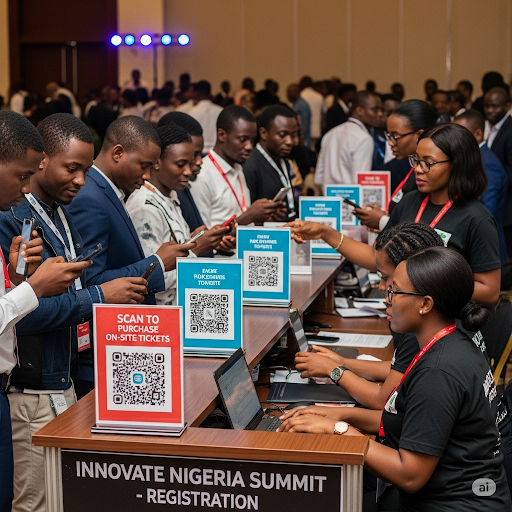
Someone sees the event, decides they want to attend and then discovers that buying a ticket requires them to send a DM, ask for an account number, make a transfer, send a screenshot, wait for confirmation and hope somebody remembers to send the actual ticket.
Every extra step gives them another opportunity to change their mind.
Your promotion should lead to one clear booking destination. The ticket page should explain the event, show the available ticket options and allow the buyer to complete the purchase without having to start a separate conversation with the organiser.
This is particularly important when people discover the event outside normal working hours. Someone who decides to buy at 1am should not need to wait until morning for somebody to reply to a WhatsApp message.
Shows.ng gives organisers a dedicated event page where attendees can view the event and buy their tickets online. You can start from the Shows.ng online ticketing page if you need a cleaner way to manage sales instead of confirming every buyer manually.
Once the ticket page exists, use the same reliable link everywhere. Put it in your Instagram bio, WhatsApp promotions, email campaigns, partner posts, digital flyers and paid ads. Do not make people hunt for the booking link after you have finally convinced them to buy.
Pay Attention to What the Sales Are Telling You
A ticket campaign should not run on vibes alone.
If you have been promoting the event for two weeks and sales are not moving, that is information. It does not necessarily mean the event will fail, but it does mean something needs attention.
Maybe people like the idea but think the ticket is too expensive. Maybe the audience does not understand the value. Maybe the event is being shown to the wrong people. Maybe the flyer is getting engagement while the booking link is barely being clicked. Maybe everybody is buying Regular tickets while the VIP package is clearly not attractive enough.
The earlier you notice these patterns, the more time you have to respond.
This is another reason online ticketing is useful. Instead of trying to remember how many people have transferred money into different accounts, you can follow sales as the campaign progresses and see whether the promotion is producing actual purchases.
Shows.ng provides organisers with ticket sales tracking and payout controls, which means the information from your ticket campaign can be used while the event is still being promoted rather than discovered after everything is over. ([shows.ng](https://shows.ng/post/how-to-sell-event-tickets-online-in-nigeria-and-get-paid-fast?utm_source=chatgpt.com))
Do not panic every time sales slow down, though. Events have natural peaks. Some people buy immediately after launch, some wait for salary, some wait for their friends and some will always wait until the last minute. The useful question is whether your overall campaign is moving towards the attendance target you set.
A Sell-Out Is Built Before the Final "Sold Out" Post
When an event sells out, people often see the final announcement and assume there was one big thing that caused it. Maybe an influencer posted it. Maybe an artist joined the lineup. Maybe one video went viral.
Sometimes that happens, but most successful ticket campaigns are less dramatic.
The organiser created an event that appealed to a specific audience, priced it in a way that made sense, started promotion early, kept giving people new reasons to care, made the ticket easy to buy and watched the numbers closely enough to adjust along the way.
That is not as exciting as saying there is a secret trick to selling out an event, but it is much more useful.
You do not need every person who sees your event to buy a ticket. You need enough of the right people to understand why the event is worth their time and money, and you need to make it easy for them to act while that interest is still fresh.
If your event is already planned and you are ready to start selling, you can set up your tickets on Shows.ng and use one booking link throughout your promotion. You can also explore event advertising options on Shows.ng if you want additional visibility beyond your own audience.
A sold-out event rarely starts with more posts. It starts with giving people a stronger reason to buy.