In this article
- A Plan Is Only Useful If It Can Survive Event Day
- Backup Power Is Not an Optional Detail When the Event Depends on Power
- Timing Problems Usually Begin Long Before the MC Announces the First Item
- Do Not Build Your Entire Programme Around the Expectation That Everyone Will Be Late
- The First Twenty Minutes Can Shape How Guests Judge the Next Four Hours
- Never Allow One Difficult Ticket to Stop an Entire Queue
- Your Vendors Are Part of the Event Team Whether You Treat Them That Way or Not
- Your Staff Need Answers, Not Just Matching Clothes
- Communication Can Prevent Problems That Logistics Cannot
- The Atmosphere Matters, but “Vibes” Are Usually Produced by Specific Decisions
- A Great MC Cannot Permanently Rescue a Bad Programme
- Guest Comfort Can Matter More Than Another Decorative Detail
- Pay Attention to Crowd Movement Before It Becomes Crowd Pressure
- Do Not Judge the Event Only From Backstage
- Do Not Wait Until the Event Ends to Find Out How Ticket Sales Are Performing
- Measure Attendance Separately From Ticket Sales
- Do Not Confuse a Full Venue With a Successful Event
- Take Notes While the Problems Are Still Fresh
- The Strongest Events Make Their Problems Less Visible to Guests
- Preparation and People Matter More Than Looking Perfect
You learn certain things about events very quickly once you stop looking at them only from the audience's side.
From outside, a successful event can look effortless. Guests arrive, music is playing, photographs are being taken, food appears, performers come on stage and everything seems to move naturally from one moment to another.
Behind that experience is usually a completely different story.
Someone was following up with a vendor who had not arrived. An usher was helping a guest whose ticket would not open on their phone. The programme had to be adjusted because one speaker was delayed. A technical team was watching the power supply while another person was trying to prevent a queue from growing at the entrance.
The original version of this article came from what the Shows.ng team said it had observed while covering more than 50 events across Nigeria, including social gatherings, concerts, church programmes and corporate events.
The biggest lesson from being around that many events is not that Nigerian events are naturally chaotic. It is that the events which feel smooth to guests usually have organisers who expected real life to interfere with the plan.
Good event planning is therefore less about creating a perfect schedule and more about building an event that can still function when something changes.
A Plan Is Only Useful If It Can Survive Event Day
Every event begins with assumptions.
The vendor will arrive at the agreed time. Power will remain stable. The performer will be ready when the programme reaches their slot. Guests will follow the instructions. The venue will look exactly as expected when setup begins.
Then event day arrives.
A vehicle breaks down. Equipment takes longer to install. Traffic affects somebody important. Weather changes. A vendor discovers that something they expected at the venue is not available.
Trying to prevent every possible problem is impossible.
The stronger approach is identifying the things that would seriously damage the event if they failed and deciding what happens next.
If the main sound system develops a problem, who handles it? If the person running registration is unavailable, who can take over? If a performer arrives later than expected, can another part of the programme move forward without creating an obvious gap?
This is what contingency planning actually means.
It is not writing “Plan B” inside a proposal. It is knowing what the team will do when Plan A stops behaving like the document said it would.
Backup Power Is Not an Optional Detail When the Event Depends on Power
Power deserves specific attention because so much of a modern event depends on it.
Sound, lighting, LED screens, ticketing devices, food service, air conditioning and production equipment may all depend on electricity in some way.
An organiser should understand the venue's power arrangement before event day.
Know what the primary source is, what backup exists and which parts of the event are most important if there is a temporary interruption.
A backup generator being somewhere inside the venue compound does not automatically mean the problem is solved. Someone needs to know whether it can support the required load, how quickly the switch happens and who is responsible for responding.
The audience does not need to know every technical detail behind the event.
They simply notice when the microphone suddenly disappears during the most important speech.
Timing Problems Usually Begin Long Before the MC Announces the First Item
It is easy to blame late-running events entirely on guests arriving late.
Sometimes guests do arrive later than planned, but many timing problems begin inside the production process itself.
A vendor arrives late, which delays setup. Sound check starts late because the stage is not ready. Rehearsal then moves late. Doors cannot open when planned, and suddenly the organiser is already one hour behind before the first guest has even entered.
This is why event timing should be managed backwards from when guests are expected.
If doors open at 4pm, the question is not whether vendors should arrive at 4pm. Ask what must already be completed by 4pm and how much time each activity realistically requires.
Your internal schedule should usually begin much earlier than the programme printed for attendees.
A proper event run sheet helps because it gives the team one operational sequence to work from rather than allowing every vendor and department to keep a separate version of the day inside their head.
Do Not Build Your Entire Programme Around the Expectation That Everyone Will Be Late
People often talk about “Nigerian time” as though lateness is an unavoidable law of event planning.
That thinking can create its own problem.
If organisers routinely advertise 3pm while privately intending to begin at 5pm, guests eventually learn that the advertised time cannot be trusted. People who made an effort to arrive early are punished with unnecessary waiting, while everybody else receives another reason to arrive later next time.
You may need to design around realistic arrival patterns, particularly for social events where guests naturally arrive over a wider window.
But that is different from deliberately making the published schedule meaningless.
If registration opens before the main programme, say so. If doors open at one time and the performance begins later, communicate both. If people need to be seated before a particular moment, make that expectation clear.
Respecting people's time is part of building trust around an event brand.
The First Twenty Minutes Can Shape How Guests Judge the Next Four Hours
Some organisers spend months thinking about the stage and surprisingly little time thinking about the gate.
For the attendee, the entrance is where the event becomes real.
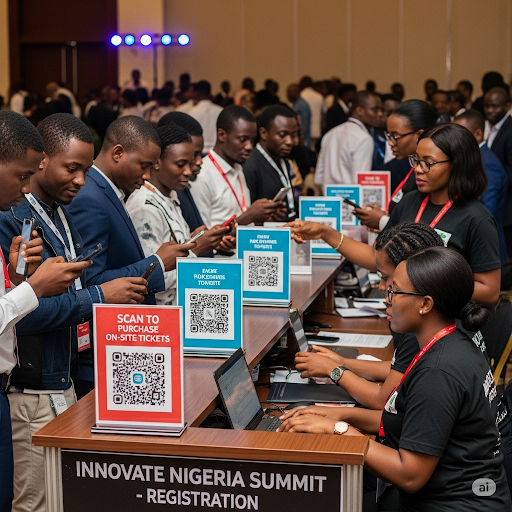
If the first experience is an unclear queue, a missing guest list, staff arguing about ticket categories or security asking questions nobody prepared them to answer, frustration begins before the programme starts.
This is one of the clearest lessons you notice when observing different events: entry needs its own plan.
Who verifies tickets? Where do guests with booking problems go? Are VIP and Regular attendees using the same route? What happens when somebody presents a ticket that has already been used? Where does the queue go if many people arrive at once?
The answers should exist before the gates open.
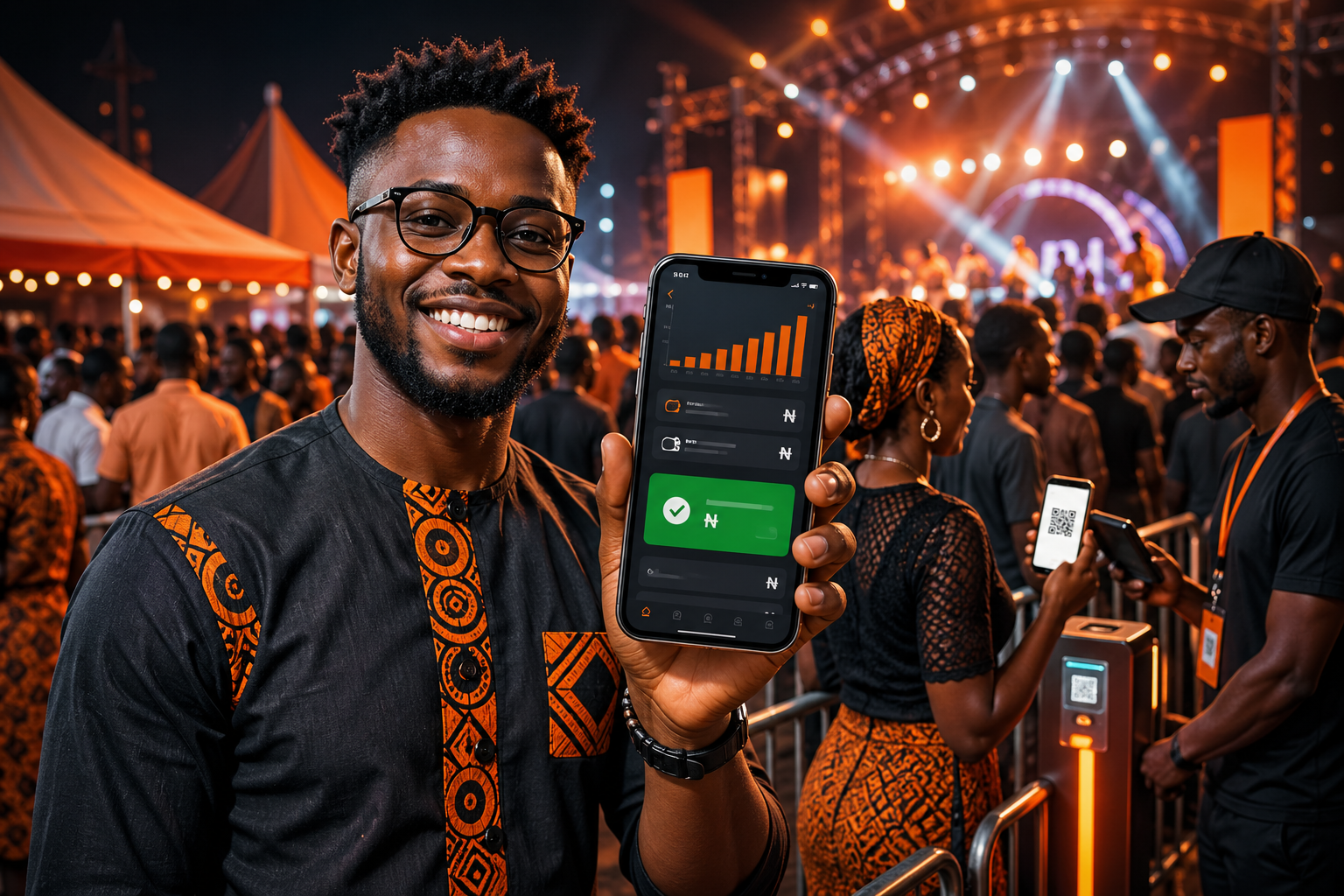
For ticketed events on Shows.ng, organisers can use the free Shows Ticket Scanner App to scan QR codes and barcodes, verify attendees in real time and identify tickets that have already been scanned. The current scanner also supports offline scanning, which is useful when venue connectivity is unreliable.
The Shows.ng ticket scanner guide explains how the scanning process works.
The technology can speed up verification, but the organiser still needs enough people, enough entry space and a clear process around it.
Never Allow One Difficult Ticket to Stop an Entire Queue
No matter how carefully you plan, somebody will eventually arrive with a problem.
Their phone may be dead. They may have used a different email address. They may be showing the wrong confirmation. Someone else may have bought the ticket for them.
The person deserves help.
The hundred people standing behind them also deserve help.
This is why complicated cases should be moved aside from the main flow whenever the venue allows it.
Let the normal verification process continue while another team member investigates the unusual situation.
The same principle applies beyond tickets.
If one guest has a seating problem, you do not need to stop everybody else from being seated. If one vendor has an access issue, the entire loading process should not necessarily freeze.
Strong event operations isolate problems instead of allowing one problem to spread through the whole system.
Your Vendors Are Part of the Event Team Whether You Treat Them That Way or Not
A caterer, DJ, decorator, photographer, lighting technician or security company may technically be an external vendor.
To the attendee, that distinction does not exist.
If the food is late, the guest blames the event. If the microphone sounds terrible, they blame the event. If security personnel are unnecessarily rude, they remember the event organiser's name, not the staffing company's contract.
That means vendor management is part of guest experience.
Give vendors useful information early. Confirm arrival and setup times. Make sure they know who their event-day contact is and what needs to be ready before guests enter.
Just as importantly, make sure different vendors understand where their work overlaps.
The decorator cannot finish a stage properly if the production team still needs to move equipment through the same area. The caterer may need access routes that should not be blocked by guest seating. The photographer needs to understand programme moments before those moments suddenly begin.
Coordination is often what separates a group of vendors from an event team.
Your Staff Need Answers, Not Just Matching Clothes
Event staff can look perfectly coordinated and still be completely unprepared.
Matching shirts, badges or uniforms help guests identify the team, but the real question is whether those people know what to do.
Can the usher explain where VIP seating is? Does the person at the entrance know what happens if a ticket fails verification? Can somebody direct guests towards the toilets without asking three other people?
Brief staff before guests arrive.
Explain the venue, ticket categories, programme structure, escalation process and any important guest considerations. Make it clear who has authority to solve particular problems so every issue does not eventually arrive at the organiser.
Your event becomes much harder to run when one person is the only person allowed to know anything.
A good team reduces the number of small decisions that reach the organiser during the programme.
Communication Can Prevent Problems That Logistics Cannot
Sometimes nothing is technically wrong. Guests simply do not know what is happening.
A venue entrance changes. Parking instructions become important. Doors will open later because setup has been delayed. An event moves from one hall inside a large property to another.
If you know something attendees need to know, communicate it while the information can still help them.
This is where having a direct attendee communication channel becomes valuable.
Shows.ng allows organisers to open the attendee list for an event and send an email message directly to those attendees. That can be used for genuine event information such as arrival instructions, programme changes, reminders or important post-event communication.
The Shows.ng attendee messaging guide shows how organisers can send those messages from their event dashboard.
The feature should not become an excuse to send unnecessary messages. But when an important update affects people who have already registered or purchased tickets, direct communication is much more reliable than simply posting an Instagram Story and hoping everybody sees it.
The Atmosphere Matters, but “Vibes” Are Usually Produced by Specific Decisions
The original article described one of its major lessons simply as the importance of vibes.
There is truth in that, but atmosphere is not magic.
Guests usually experience “good vibes” because several practical decisions worked together.
The MC understands the audience and does not speak endlessly. The DJ knows when to change the energy. Staff make people feel welcome. The programme does not repeatedly stop for long unexplained gaps. Lighting supports the mood. People have enough room to enjoy themselves without constantly dealing with operational problems.
You cannot write “good vibes” into a planning document and expect them to appear.
You can design the conditions that make the atmosphere easier to create.
Think about how guests should feel when they arrive, during the strongest part of the programme and as the event closes. Then consider what music, pacing, staff behaviour, lighting, seating and programme decisions support those feelings.
A Great MC Cannot Permanently Rescue a Bad Programme
A talented MC can cover a short delay, rebuild energy after an awkward transition and help guests understand what is happening.
But the MC should not spend the entire event performing emergency repairs on the schedule.
If every speaker exceeds their time, performers are not ready and programme items keep changing backstage, eventually the audience notices.
Protect your MC by giving them accurate information.
If something changes, tell them before they announce the wrong thing. Give them realistic transition notes and make sure someone backstage is responsible for communicating with them throughout the programme.
The strongest hosts look effortless because the team behind them is not constantly surprising them.
Guest Comfort Can Matter More Than Another Decorative Detail
Event organisers naturally care about how the venue looks.
Guests care about that too, but their bodies eventually become more important than the décor.
Is the room unbearably hot? Can people sit comfortably? Are the toilets usable? Is there water where it makes sense? Are guests standing in a queue under the sun because nobody planned shade or a faster process?
A beautiful event can still feel unpleasant.
When making budget decisions, think about what attendees will experience over several hours rather than only what photographs will show during the first ten minutes.
Sometimes spending on better ventilation, additional entry staff or more suitable seating will improve the event more than adding another decorative installation.
Guests may not post those operational decisions on Instagram, but they feel them.
Pay Attention to Crowd Movement Before It Becomes Crowd Pressure
People do not stay in their seats for the entire event.
They arrive, queue, move towards registration, look for seating, visit food areas, go to the toilets, approach the stage, leave and sometimes return.
All of those movements interact with your venue design.
A narrow entrance may work perfectly when guests arrive gradually and fail immediately when hundreds come within the same period. A food station placed too close to the main walkway can create congestion even when catering itself is running efficiently.
Look for places where people are likely to stop.
Queues do not only form because something is slow. They can form because guests are trying to work out where to go.
Clear signage, staff direction and better placement can solve some crowd problems before you need additional barriers or security personnel.
If crowd movement is a major concern for your event, our guide on managing queues and crowd flow at events goes deeper into designing those movements.
Do Not Judge the Event Only From Backstage
An organiser can finish an event feeling extremely proud while attendees leave with a completely different opinion.
Backstage, you know how many disasters were prevented. Guests only know what they experienced.
Walk through the event occasionally if your role allows it.
Stand at the back and listen to the sound. Look at the stage from the side. Visit the entrance after the programme has started. Check the toilets. Watch how people are moving through the venue.
These observations can reveal problems nobody will report because each person responsible for one department believes their own area is working.
Your job is to see the event as one connected experience.
Do Not Wait Until the Event Ends to Find Out How Ticket Sales Are Performing
Another lesson from event planning is that optimism is not data.
A campaign can feel busy online while ticket sales are slow. A flyer may have hundreds of shares without producing enough purchases. The organising team may assume VIP is the strongest category while Regular tickets are actually driving most of the volume.
Watch what is happening while there is still time to respond.
Shows.ng's current Shows features include a real-time sales analytics dashboard where organisers can monitor ticket sales, attendee information and revenue performance. Reports can also be reviewed after the event.
This does not mean changing strategy every time an hour passes without another sale.
Data needs context.
But if sales have slowed significantly, a ticket category is underperforming or the event is moving differently from the target you planned, knowing earlier gives the team more options than discovering everything after the gate closes.
Measure Attendance Separately From Ticket Sales
Selling a ticket and having somebody physically attend are not always the same thing.
This becomes important when reviewing the event afterwards.
If registrations were strong but many people did not arrive, the lesson is different from an event that struggled to generate registrations in the first place.
Check-in information can help organisers understand the difference, particularly when tickets are being scanned at entry.
That information becomes even more valuable across recurring events.
If a particular event repeatedly generates strong registrations but weak attendance, you can investigate whether reminders, timing, location or the type of registration being offered needs to change.
The purpose of collecting data is not to produce impressive dashboards.
It is to make the next planning decision less dependent on memory and guesswork.
Do Not Confuse a Full Venue With a Successful Event
A packed room can hide several problems.
Perhaps the event attracted plenty of people but lost money. Maybe guests struggled badly at entry. A sponsor may have received little of the value that was promised. The team could be so exhausted by the process that nobody wants to organise another edition.
Success needs to be defined before the event.
For one organiser, that may be ticket revenue. Another event exists primarily to build a community, generate leads, support a cause or create visibility for a brand.
If you do not define what success means beforehand, it becomes very easy to choose whichever positive result is available afterwards and declare victory.
A good crowd matters. So do the economics, experience and objectives behind that crowd.
Take Notes While the Problems Are Still Fresh
One of the strangest things about events is how quickly people forget the details once the pressure disappears.
During setup, everybody swears they will never make a particular mistake again.
Two weeks later, the next event begins and nobody wrote down what happened.
Run a proper debrief.
Talk to the team while memories are still clear. Ask what caused delays, what guests complained about, which vendors were easy to work with and which parts of the programme created unnecessary stress.
Then compare those observations with the actual event data.
Did ticket sales behave the way you expected? Which categories performed? How many attendees actually checked in? Did people arrive mostly at the same time?
The event should produce knowledge as well as photographs.
The Strongest Events Make Their Problems Less Visible to Guests
Every event has problems behind the scenes.
The difference is how much of that instability reaches the audience.
A well-prepared team can change the programme without leaving guests staring at an empty stage. A ticket problem can be resolved without freezing the whole entrance. A delayed vendor can be managed without several staff members loudly arguing in front of attendees.
This does not mean pretending nothing is wrong when guests genuinely need information.
It means solving operational problems operationally.
Guests came to experience the event, not to become members of the crisis-management team.
Preparation and People Matter More Than Looking Perfect
After enough events, perfection becomes a less useful goal.
Something will almost always be different from the original plan.
The stronger question is whether the event can adapt without losing the experience people paid or registered for.
That comes back to preparation and people.
Prepare the venue properly. Give vendors useful information. Train the staff. Build realistic timing into the day. Think about entry and crowd movement. Keep attendees informed when something genuinely affects them.
Then use the information available to you.
Digital ticket scanning can make entry verification more structured. Attendee messaging can give you a direct way to communicate important updates. Sales analytics and post-event reports can show what happened rather than forcing the team to rely entirely on impressions.
Those tools do not organise the event for you. They make certain parts of the job easier to control.
If you are preparing an upcoming event, you can create your event on Shows.ng, set up your tickets and begin building the operational plan around the experience you actually want guests to have.
The events that look effortless are rarely effortless. They are usually the ones where somebody thought carefully about what could go wrong before the guests ever arrived.